


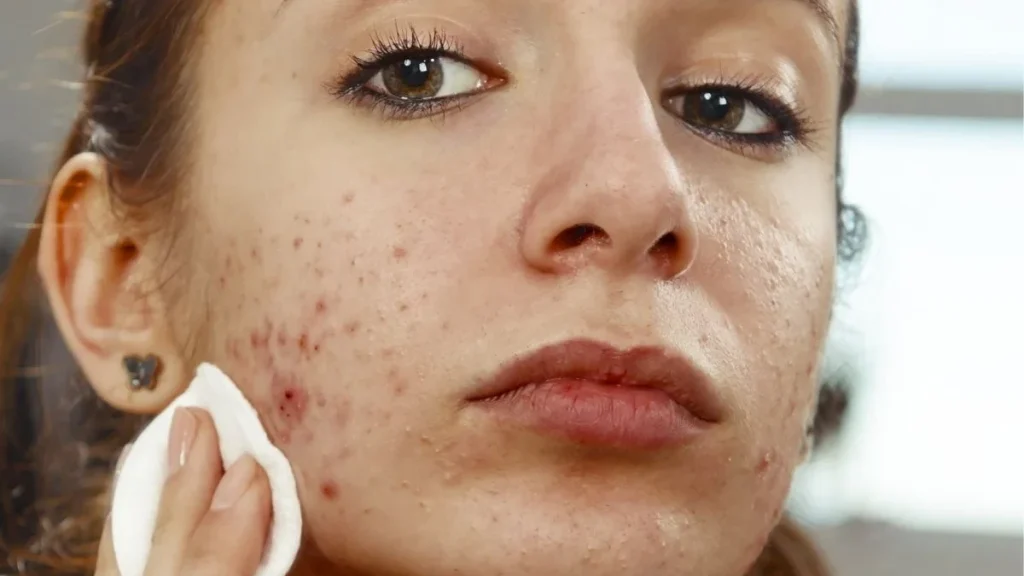

Inflamed acne is the most disturbing type of acne skin problems. This type of acne occurs as a result of inflammation of the oil glands and hair follicles in the skin. They can be red, swollen and painful. They are more common in oily areas of the body such as the face, back and chest.
Inflamed acne can be deeper and more severe than other types of acne. Sometimes, deep-seated acne that does not come to the surface can also occur. This type of acne can leave visible marks on the skin and negatively affect the appearance of the face.
Causes of Inflamed Acne
Many factors can play a role in the formation of inflamed acne. The main ones are:
1. Hormonal imbalances: Hormonal fluctuations, especially seen during puberty or during periods of hormonal changes, can trigger acne formation.
2. Stress: High stress levels can contribute to acne formation by increasing the inflammatory process in the body.
3. Genetic predisposition: Some people may be more prone to acne formation. Family history is an important factor in this regard.
4. Improper skin care: Using excessively oily or drying products can cause acne.
5. Unhealthy diet: Processed and oily foods with a high glycemic index can increase acne formation.
6. Lack of hygiene: Failure to clean the skin regularly can lead to the growth of bacteria and acne formation.
Methods That Can Be Applied at Home for the Treatment of Inflamed Acne
There are some effective methods that can be applied at home for the treatment of inflamed acne:
7. Natural Face Masks: Face masks made of natural ingredients such as clay, tea tree oil, garlic and green tea can help heal acne.
8. Hot Compress: Applying a hot compress on inflamed acne can reduce discharge and pain.
9. Cold Application: Applying ice or cold water on acne can reduce swelling and redness.
10. Natural Oils: Natural oils such as tea tree oil, neem oil and manuka honey can contribute to the healing of acne with their antibacterial and antiseptic properties.
11. Regular Cleansing: Regularly cleansing your skin can prevent acne from forming. However, caution should be exercised as over-cleansing can dry out your skin and cause more acne.
12. Stress Management: Since stress can trigger acne, it may be helpful to practice stress management techniques such as meditation, yoga or breathing exercises.
Professional Help for Treating Inflamed Acne
When home remedies are not enough, professional help may be necessary. Dermatologists can offer a variety of treatment options for inflammatory acne:
13. Topical Treatments: Prescription creams, gels or solutions can help heal acne.
14. Oral Medications: Systemic medications such as antibiotics, hormone therapies or retinoids can be effective in treating inflammatory acne.
15. Light Therapies: Blue light, red light or laser treatments can speed up the healing of acne.
16. Surgical Interventions: Extractions or drainages may be necessary, especially for deep-seated or treatment-resistant acne.
17. Nutritional Support: A specialist dietician can determine the nutrients that affect the formation of acne and recommend dietary adjustments. Regular check-ups with a professional dermatologist can provide effective treatment for inflammatory acne.
 Call
Call
 Whatsapp