


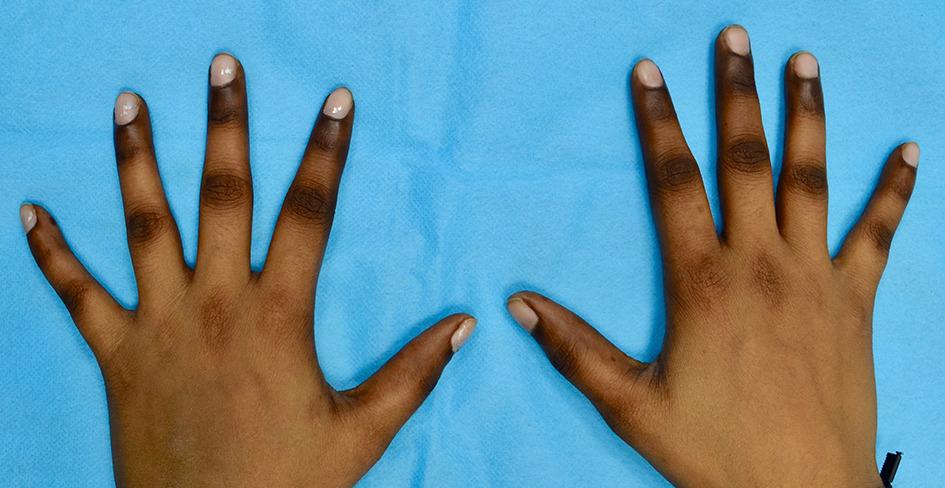

Darkening is a common condition in joint areas such as elbows, knees and wrists. These darkening usually occur due to reasons such as thickening of the skin, friction, dead skin accumulation and genetic predisposition. In addition, factors such as eczema, dry skin or hormonal changes can also trigger this condition. Lack of skin care can cause darkening in these areas to become more apparent. As a first step, regular peeling and moisturizing can help the skin to gain a lighter tone by removing dead skin. However, these methods only provide a superficial solution and do not provide permanent results. Professional treatments should be preferred for more effective solutions.
Q-Switch Laser Joint Darkening Treatment
Q-Switch laser technology is a highly effective method for removing darkening in joint areas. This laser targets the melanin pigment accumulated in the lower layers of the skin, equalizing the skin tone and reducing the dark appearance. The treatment is usually painless and does not cause any scarring or irritation. Treatments performed with the Q-Switch laser provide both safe and permanent results. This method gives successful results even in areas with hard and thick skin such as elbows and knees. After a few sessions, the skin tone in the joint areas can be noticeably lighter.
Q-Switch Laser for Genital Area and Armpit Pigmentation
Q-Switch laser can also be used safely in pigmentation problems in sensitive areas such as the genital area and armpit. Darkening in these areas usually occurs due to reasons such as hormonal changes, irritation or friction. Laser treatment breaks down these dark pigments and provides the skin with a lighter and more homogeneous appearance. It is a great advantage that the Q-Switch laser is effective with minimal irritation, especially in these sensitive areas. A natural skin tone can be achieved in a few sessions in armpit and genital area darkening treatments.
Q-Switch laser offers a modern and effective solution for many different problems, from joint darkness to sensitive area pigmentation. It is important to create a plan that suits your needs by consulting a dermatologist or aesthetic specialist before the treatment.
 Call
Call
 Whatsapp