


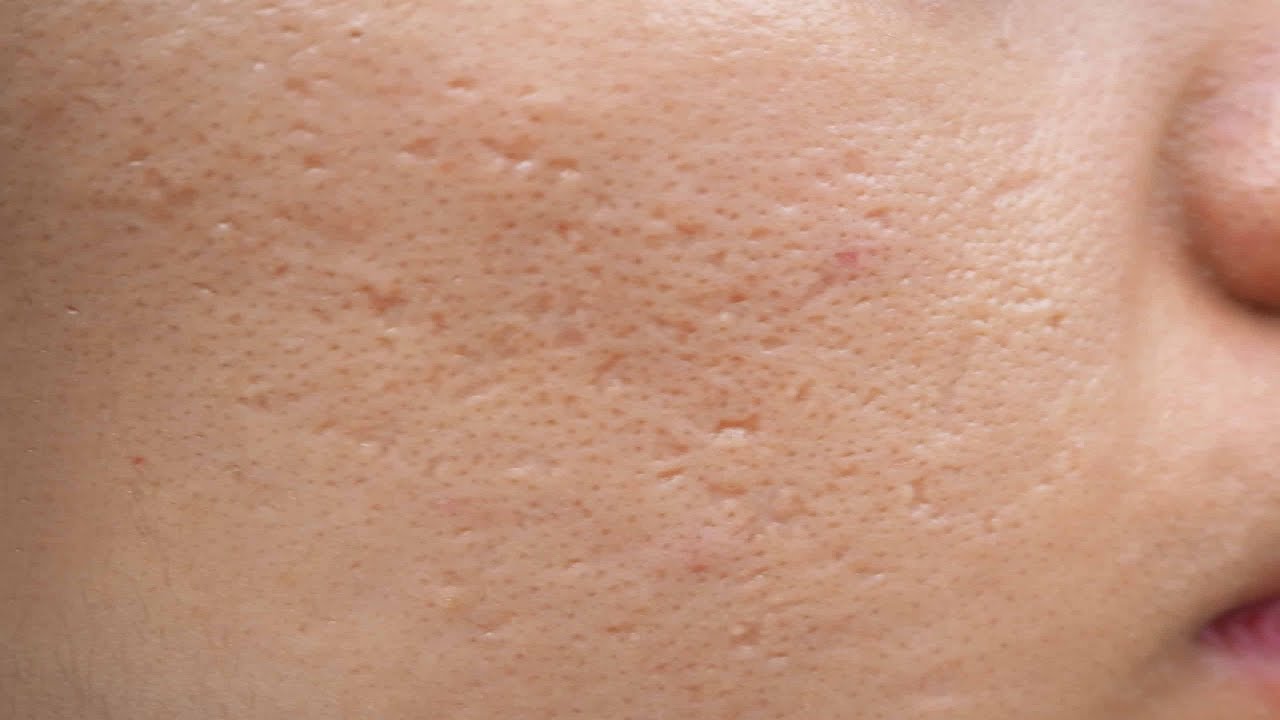

Acne is a red, inflamed skin lesion that usually occurs as a result of blockage of the oil glands and infection by bacteria. Pimples are most commonly seen on the face, back, chest and shoulders. These lesions, called comedones (open and closed pimples), become visible on the surface of the skin.
Although acne is more common during adolescence, it can also be seen in adults. Stress, hormonal changes, eating habits and genetic factors can affect acne formation.
Causes of Acne Formation
The main reasons behind acne formation are:
1. Excessive Sebaceous Secretion: Excessive work of the oil glands creates a thick and sticky layer on the skin. This layer causes the pores to become clogged.
2. Bacterial Infection: In clogged pores, a bacterium called Propionibacterium acnes multiplies. These bacteria cause inflammation and redness.
3. Hormonal Changes: Hormonal fluctuations during periods such as puberty, pregnancy or menopause can cause the oil glands to become overactive.
4. Stress: Stress causes the body to secrete the hormone cortisol. This contributes to excessive activity of the sebaceous glands and the formation of acne.
5. Genetic Factors: Some people have oilier skin, which can increase their tendency to acne.
6. Cosmetic Products: Oily, occlusive cosmetic products can also trigger acne.
Skin Care and Acne Control
Regular and proper skin care is very important for preventing and controlling acne. You can reduce acne problems by following the steps below:
7. Cleansing: Clean your face twice a day with a gentle face wash. Be careful, as excessive cleansing can disrupt the skin barrier and cause more acne.
8. Moisturizing: Acne-prone skin also needs moisturizing. Choose oil-free, noncomedogenic (non-pore-clogging) moisturizers.
9. Exfoliation: A gentle exfoliation applied once or twice a week can clear dead cells and clogged pores.
10. Makeup Selection: For acne-prone skin, use water-based and noncomedogenic makeup products.
11. Stress Management: Since stress can trigger acne, practice stress management techniques.
12. Nutrition: A healthy, balanced diet can reduce acne formation. Avoid processed foods, oily and sugary foods.
Acne Treatment Methods
In addition to home skin care methods, medical treatment may also be necessary in some cases. You can consider the following treatment options:
13. Topical Treatments: Topical retinoids, benzoyl peroxide or antibiotic creams prescribed by a doctor can help heal acne.
14. Oral Treatments: In particularly severe cases of acne, oral antibiotics or medications such as isotretinoin prescribed by a doctor can be used.
15. Laser Treatment: In some cases, laser treatment can also be effective in healing acne.
16. Surgical Methods: Surgical methods performed by a doctor to prevent acne from being squeezed are also among the options.
In acne treatment, it is important to consult a specialist dermatologist and create a personalized treatment plan.
 Call
Call
 Whatsapp