


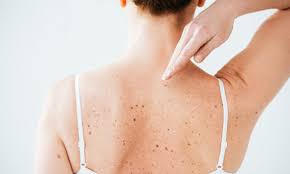

What Causes Body Stains?
Body staining usually occurs due to pigment changes in the skin, inflammation or external factors. Stains can be different colors and can occur for various reasons. In this article, we will explain the main factors that cause body staining.
1. Sun Exposure
Excessive exposure to sunlight can cause brown spots to form on the body. These spots lead to increased melanin production in the skin and are generally known as "sun spots" or "age spots". Since the face, hands and décolleté area are the areas most exposed to the sun, more spots can form there.
2. Hormonal Changes
Hormonal changes can cause body staining. Especially in women, spots called "melasma", which are seen during pregnancy, occur due to hormonal changes. In addition, conditions such as birth control pills, menstrual cycle or menopause can also affect hormones and cause skin staining.
3. Skin Irritation and Allergic Reactions
Blemishes on the body can sometimes occur as a result of skin irritation or allergic reactions. A new cosmetic product, soap or food causing a reaction on the skin can result in redness and blemishes. Such blemishes are usually seen due to inflammation on the skin.
4. Acne and Acne Scars
Acne and acne are another common cause of blemishes on the body. When acne is inflamed, this inflammation can leave permanent blemishes on the skin. These blemishes are usually reddish or brownish and can remain as scars after the acne heals.
5. Skin Vein Problems
Veins under the skin can sometimes expand, which can lead to blemishes on the body. "Varicose" veins, especially seen on the legs, can leave purple or brown spots due to the dilation of the veins. Such blemishes can usually be permanent and become more noticeable over time.
6. Skin Infections
Some skin infections, especially fungal infections, can cause spots to appear on the body. Fungal infections can leave rashes and dark spots on the skin. Some bacterial infections can also leave scars on the skin.
7. Aging and Genetic Factors
As we age, collagen and elastin production in the skin decreases. This can cause the skin to loosen, and fine lines and spots to form. Genetic factors also play an important role in the formation of spots on the skin. If there is a tendency for skin spots in the family, the risk of these spots in the individual may increase.
How to Prevent and Treat Spots on the Body?
1. Using Sunscreen
Sun exposure can cause spots on the body, so it is important to protect yourself from the sun. Sunscreens with high SPF both prevent sun spots and prevent existing spots from getting worse.
2. Doing Skin Care
Regular skin care can help reduce spots on the skin. Cleansing the skin, using moisturizers, and regularly exfoliating to remove dead skin cells can help renew the skin and reduce spots.
3. Topical Treatment Products
Topical treatment products that target skin spots can reduce the appearance of spots. Substances such as vitamin C, niacinamide, and hydroquinone can balance the pigmentation in the skin and lighten the color of the spots. In addition, some chemical peeling treatments can be effective in treating spots.
4. Professional Treatment Options
In some cases, professional treatment options may be required. Laser treatment is a method frequently used to treat skin spots. Laser reduces the appearance of spots by targeting the pigments under the skin. In addition, methods such as chemical peeling and microdermabrasion can also lighten spots on the skin.
In Conclusion
Blemishes on the body can occur for many different reasons. Factors such as exposure to sunlight, hormonal changes, skin irritation, acne scars, and vascular problems can cause spots to form on the skin. Regular skin care, sunscreen use, and appropriate treatment methods are important to prevent and treat these spots. It would be beneficial to consult a dermatologist to treat your spots before they become permanent.
 Call
Call
 Whatsapp