


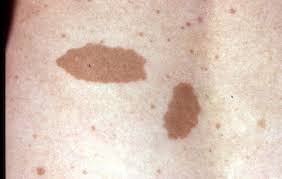

What is a Cafe au Lait Stain?
Cafe au lait stains are skin spots that are milky coffee-colored, straight-edged, and usually oval in shape. It gets its name from the color that means "coffee with milk" in French. It can be present at birth or become apparent over time during childhood. It is usually harmless, but in some cases, careful monitoring may be necessary.
Why Does It Occur?
The formation of these spots is affected by a local increase in melanin production. In other words, the pigment density is high in a certain area of the skin. Genetic predisposition plays an important role here. It often occurs alone and is not associated with any health problem. However, when seen in more than one and in large sizes in some people, it may be a symptom of an underlying genetic disease (e.g. neurofibromatosis type 1).
Are All Stains Dangerous?
No. Cafe au lait stains, if they are alone and few in number, usually do not go beyond an aesthetic situation. These spots do not turn into cancer, do not itch or cause pain. However, if there are six or more spots in children, each measuring approximately 5 mm or more, they should be evaluated by a pediatrician or dermatologist. This may be an early sign of another condition.
Should They Be Treated?
Cafe au lait spots usually do not require treatment. However, if the person is aesthetically uncomfortable, some treatment options may be considered. These include:
Laser applications (especially pigment lasers)
Skin rejuvenating peeling methods
Bleaching medical products
The success rate of these treatments can vary from person to person and usually does not completely eliminate the spots, but rather lightens their color.
Are There Preventive Methods?
Since cafe au lait spots can be congenital, it is not possible to completely prevent their formation. However, using sunscreen helps prevent the existing spot from darkening and becoming more noticeable. It is important to protect the skin with a high-factor sunscreen, especially in the summer months.
 Call
Call
 Whatsapp