


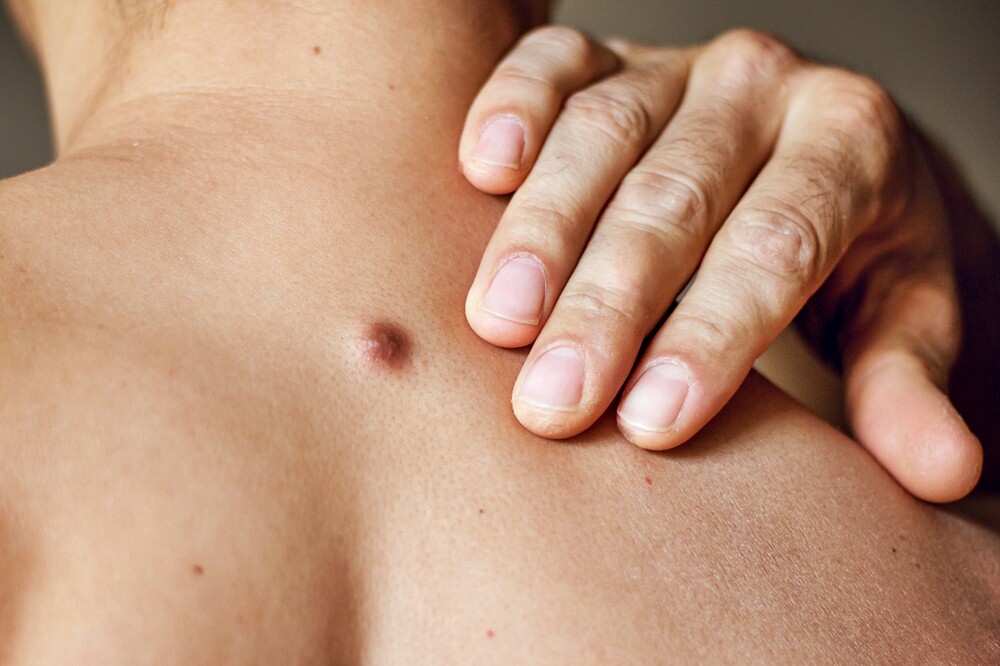

Boils are small, red, inflamed and painful swellings that occur on our skin. They are usually seen in areas where oil glands are concentrated, such as the face, back, shoulders and chest. The main factors that cause boils include excessively oily skin, bacterial infections, stress, hormonal changes and some medications.
Causes of Boils
Many factors can play a role in the formation of boils. The main ones are:
1. Excessive Oily Skin: Excessive work of the oil glands can cause pores to become clogged and the oil accumulated on the skin can lead to infection.
2. Bacterial Infections: Excessive growth of bacteria on the skin can lead to infection and boils.
3. Stress: Stress can increase the level of cortisol in the body, causing the oil glands to overwork and causing boils.
4. Hormonal Changes: Hormonal changes, especially during periods such as puberty, pregnancy and menopause, can lead to boils.
5. Drug Use: Some medications, such as corticosteroids, can cause boils.
6. Genetic Predisposition: Some people may be more prone to boils.
7. Poor Hygiene: Poor skin cleansing can also cause boils.
Common Causes of Boils
The most common causes of boils include:
8. Overly Oily Skin: Overactivity of the sebaceous glands leads to clogged pores and infection.
9. Bacterial Infections: Overgrowth of Propionibacterium acnes bacteria on the skin causes boils.
10. Hormonal Changes: Hormonal fluctuations during periods such as puberty, pregnancy and menopause can lead to boils.
11. Stress: High levels of stress can cause boils by increasing the body's production of cortisol.
12. Poor Hygiene: Not cleaning the skin regularly can cause bacteria to multiply and cause boils.
What Can You Do to Prevent Boils?
Controlling the factors that cause boils can be important steps to prevent them. You can apply the following suggestions for this:
13. Regular Skin Care: Wash your face at least twice a day, use moisturizers and light peeling products.
14. Stress Management: Do stress-reducing activities such as meditation, yoga, and regular exercise.
15. Healthy Nutrition: Consume green leafy vegetables, whole grains, and healthy oils.
16. Balancing Hormone Levels: Control hormonal changes by consulting your doctor.
17. Following Hygiene Rules: Get into the habit of taking regular showers and using clean towels and pillowcases.
18. Sun Protection: Use sunscreen to avoid exposure to UV rays.
19. Improving Sleep Pattern: Adequate and quality sleep is important for skin health.
Treatment Methods for Boils
Effective treatment methods against boils include the following:
20. Topical Treatments: Creams and gels containing antibacterial, antiseptic, and retinoids can be used.
21. Systemic Treatments: Your doctor may prescribe antibiotics or hormone-regulating drugs in severe cases.
22. Surgical Treatments: Large or painful boils can be surgically removed.
23. Light Therapies: Blue light therapy may be effective for boils.
24. Dietary Changes: Consuming foods that support skin health can prevent boils.
I recommend that you contact a dermatologist to learn more about protecting your skin health and effective treatments for boils. It is important to get professional support to achieve healthy, smooth skin.
 Call
Call
 Whatsapp