


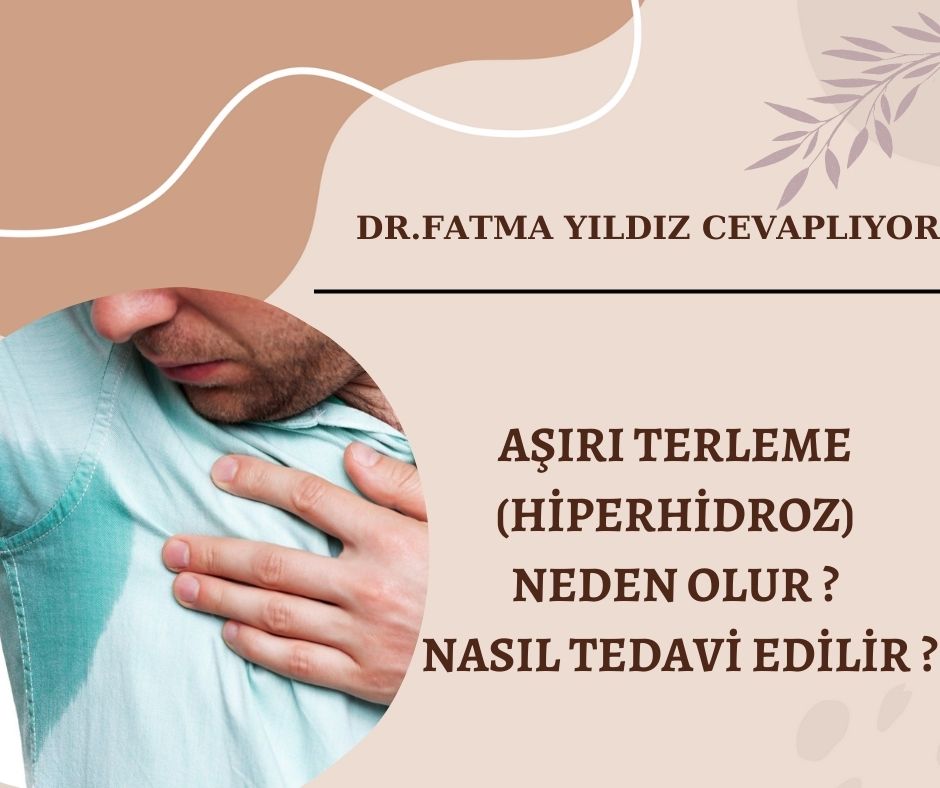

What Causes Excessive Sweating (Hyperhidrosis) and How Is It Treated?
Hyperhidrosis is a condition that occurs as a result of excessive sweating of the eccrine sweat glands and is usually characterized by excessive sweating in response to emotional or other stimuli. This condition can cause serious psychosocial stress in individuals' private and business lives. Hyperhidrosis can sometimes occur for no reason (idiopathic), while in some cases it can develop due to an underlying disease. In addition, disorders in the central sympathetic nervous system are also thought to be a possible cause of idiopathic hyperhidrosis. Idiopathic hyperhidrosis usually begins in childhood or adolescence. However, if it begins at a later age, it should be investigated whether there is another underlying disease. The incidence of idiopathic hyperhidrosis varies between 0.6% and 1%, and this rate is 20 times higher in the Japanese population than in other ethnic groups.
Types and Features of Hyperhidrosis
Local hyperhidrosis is a type of sweating that is concentrated in certain areas of the body and is usually seen in the armpits, palms, and soles. Axillary hyperhidrosis usually begins during adolescence and is often seen together with palmar hyperhidrosis. Focal hyperhidrosis can sometimes occur together with other diseases such as Raynaud's disease, rheumatoid arthritis, and erythromelalgia. Hyperhidrosis can be constant or intermittent. Constant hyperhidrosis worsens in the summer months and is usually not affected by emotional factors. Intermittent hyperhidrosis continues throughout the year and can be triggered by emotional situations.
Diagnosis of Hyperhidrosis
In patients presenting with complaints of excessive sweating, it is important to distinguish whether the sweating is physiological, symptomatic, or idiopathic. For example, sweating that occurs after exercise or with spicy foods is considered physiological, while the presence of an underlying endocrine (hyperthyroidism, diabetes) or neurological disease is classified as symptomatic hyperhidrosis. Physical examination, necessary laboratory tests and methods such as iodine-starch test can be used to determine sweating areas to make a diagnosis.
Hyperhidrosis Treatment
The main methods used in the treatment of hyperhidrosis are as follows:
Local Treatments: Antiperspirants are the first preferred treatment methods by reducing the activity of sweat glands.
Iontophoresis: It is a method applied with tap water especially for sweating in the palms and soles of the feet. It can also be used with anticholinergic drugs.
Botulinum Toxin Injections (Botulinum toxin): It acts by temporarily blocking the nerve signals of the sweat glands.
Surgical Methods: It is preferred in cases where there is no response to other treatments. It usually involves cutting or damaging the nerves.
Alternative Methods: Herbal treatments, relaxation exercises, systemic drugs and stanger baths are also among the options.
Daily Life Suggestions
The following suggestions may be useful for individuals with hyperhidrosis:
Washing the armpits twice a day with antibacterial soaps,
Avoiding wearing layers of clothing and choosing natural fabrics that can breathe,
Changing socks daily and using leather-soled shoes,
Staying away from coffee, alcohol and spicy foods.
Hyperhidrosis can seriously affect an individual's quality of life. However, it is possible to manage this condition with the right treatment and lifestyle changes.
 Call
Call
 Whatsapp