



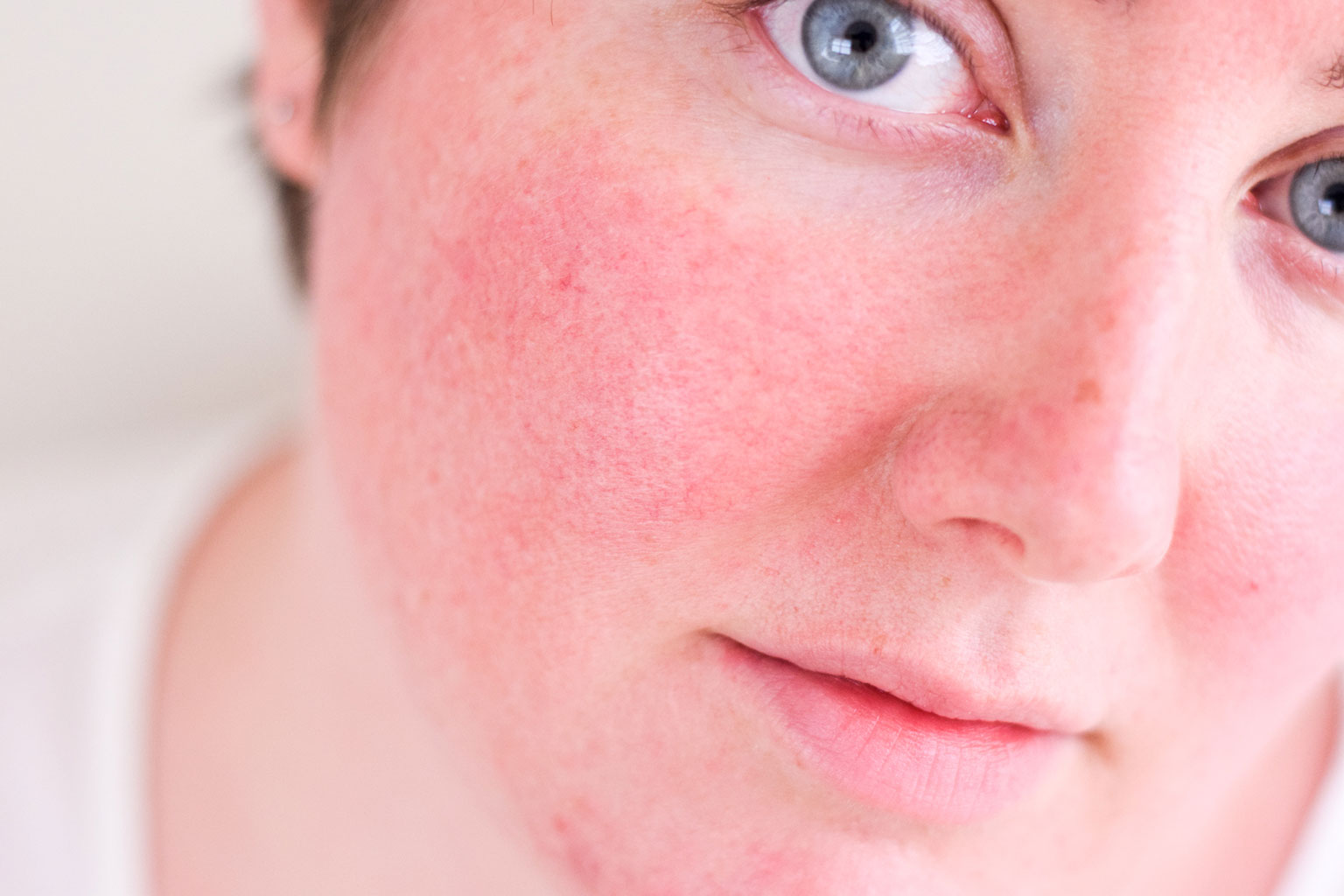
Facial flushing is a condition that occurs as a result of the dilation of blood vessels in the face. This expansion causes the face to become red and feel hot. Facial flushing usually occurs when you are embarrassed, angry, or excited. Additionally, for some people, facial flushing can be a part of daily life and occur without any emotional response.
Common causes of facial flushing
There are many common causes of facial flushing. Some of these are those:
1. Hot weather or hot drinks: Hot weather or hot drinks can cause facial redness. The body may dilate the blood vessels in the face to allow for temperature regulation, which can cause facial flushing.
2. Alcohol and spicy foods: Alcohol and spicy foods can cause facial redness. Such drinks and foods can promote dilation of blood vessels and cause facial flushing.
3. Stress and emotional responses: When you are in a stressful or emotionally intense situation, the body may release stress hormones, which can cause facial flushing. This usually occurs when you are embarrassed or angry.
Medical conditions that can cause facial flushing
There are some medical conditions that can cause facial flushing. These:
4. Rosacea: Rosacea is a skin condition characterized by facial flushing, acne-like lesions, and dilated blood vessels. This condition usually occurs in the middle part of the face and is usually a permanent condition.
5. Menopause: Women in menopause may experience facial flushing. This may occur due to hormonal changes and is often called hot flashes.
6. Rash syndrome: Rash syndrome is a condition that causes constant redness, swelling and irritation on the face. This condition is usually permanent and may require medical intervention.
Lifestyle factors that contribute to facial flushing
There are some lifestyle factors that contribute to facial flushing. These:
7. Hot showers or baths: Hot showers or baths can cause facial redness. This can cause blood vessels to dilate and cause facial flushing.
8. Exercise: Exercising intensely can increase body temperature and cause facial flushing. This condition is usually temporary and resolves spontaneously after exercise.
9. Stress: Intense stress can cause facial flushing. Stress can promote the dilation of blood vessels in the body, which can cause facial flushing.
Allergic reactions and facial flushing
Allergic reactions are another factor that can lead to facial flushing. Allergic reactions occur when the body's immune system overreacts to a particular substance. In this case, facial redness and swelling may occur. Allergic reactions are often accompanied by skin itching and rash.
Medications and facial flushing
Some medications can cause facial flushing. In particular, some blood pressure medications, antibiotics and antidepressants can cause facial flushing. This may occur as a side effect of medications.
The role of hormones in facial flushing
Hormones can play an important role in facial flushing. Especially in menopausal women, facial flushing may occur due to hormones. Hormonal changes can cause blood vessels in the body to dilate, which can lead to facial flushing.
When to see a doctor for facial flushing?
Facial flushing is usually harmless. However, in some cases it may be necessary to consult a doctor. It is recommended that you consult a doctor, especially if facial flushing is severe or occurs along with other symptoms. For example, if you have symptoms such as shortness of breath, headache or palpitations along with facial flushing, you should consult a doctor immediately.
What causes facial flushing?
Free Information,
Consultation and Appointment Request
 Call
Call
 Whatsapp