


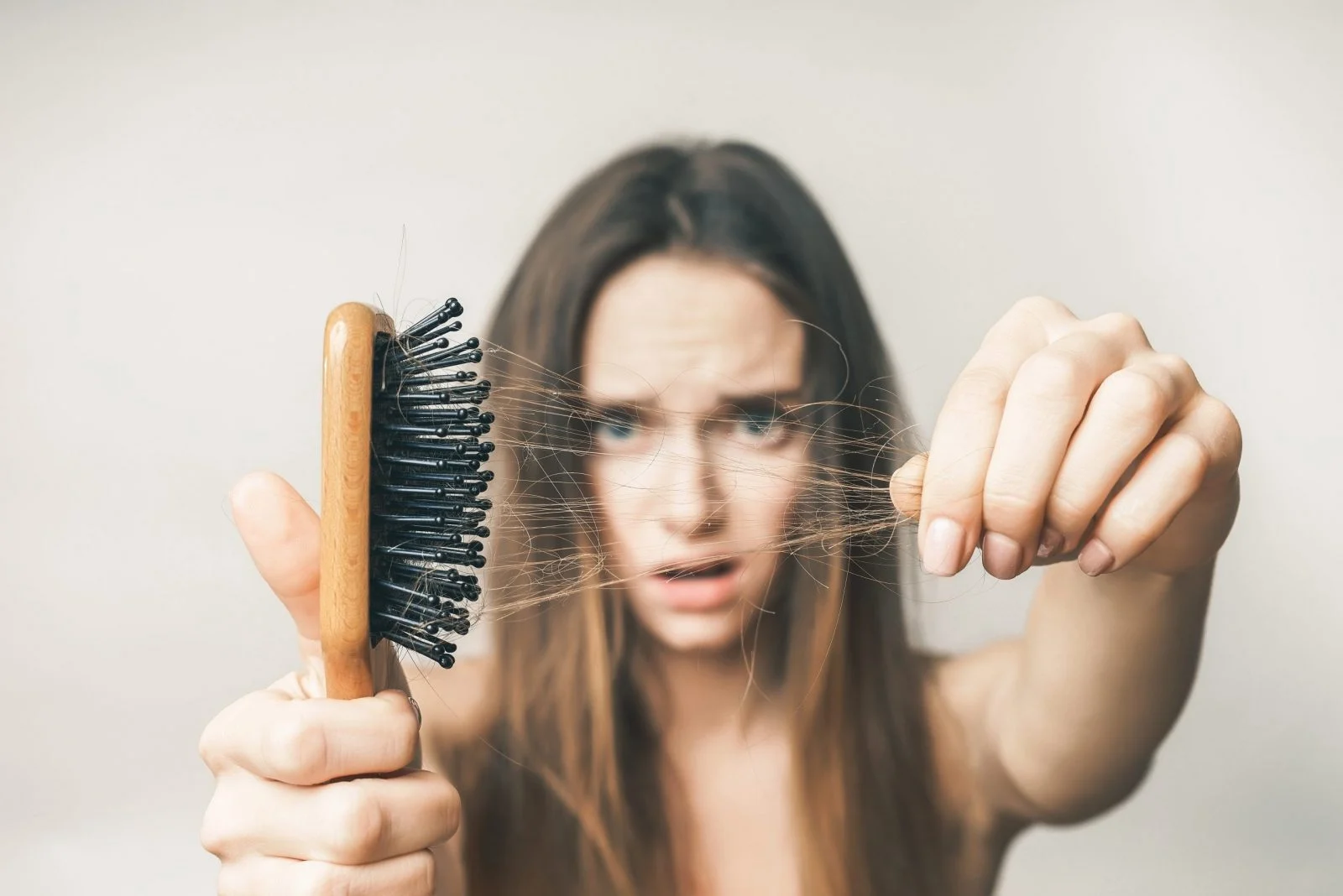

There are various reasons behind hair loss. The main ones are:
Hormonal Changes: Hormonal changes such as pregnancy, postpartum, menopause and thyroid disorders can cause hair loss.
Stress: Physical or psychological stress can trigger hair loss. Stress can negatively affect hair follicles by activating the body's defense mechanisms.
Nutritional Deficiencies: Deficiency of nutrients such as protein, iron, zinc and vitamin B can negatively affect hair health.
Drug Use: Some medications can cause hair loss. Chemotherapy drugs in particular can cause hair loss.
Diseases: Some diseases such as iron deficiency anemia, thyroid disorders, lupus and polycystic ovary syndrome can cause hair loss.
Trauma: Surgical operations, burns, severe stress or traumas experienced after illnesses can cause hair loss.
Hair Care Products: Hair dyes, shampoos, hair sprays and other products containing excessive chemicals can also trigger hair loss.
Genetic Factors: If there is hair loss in the family history, the person's risk of hair loss may increase.
What You Can Do to Prevent Hair Loss
You can follow the steps below to prevent hair loss:
Review Your Diet: Consume a diet rich in nutrients such as protein, iron, zinc, and vitamin B. You can also take nutritional supplements by consulting your doctor.
Get Methods to Cope with Stress: Make time for stress-reducing activities such as yoga, meditation, and exercise. Also pay attention to your sleep pattern.
Change Hair Care Products: Use more natural and less chemical-containing products for your hair. Avoid frequent hair dyeing.
Check Medications That May Trigger Hair Loss: Review your medications with your doctor and ask if you need to change any that may cause hair loss.
Pay Attention to Hair Care: Comb your hair gently, do not wash it frequently, and avoid using excessive heat.
Get Regular Checkups: Consult your doctor to determine the underlying causes of hair loss. Get tests if necessary.
Hair Loss Treatment Methods
There are various treatment options depending on the cause of hair loss:
Drug Therapy: Your doctor can control the condition with medications that he/she will prescribe depending on the cause of hair loss.
Hair Products: Special hair products such as minoxidil and finasteride can be effective in preventing hair loss.
Stem Cell Therapy: Preparations obtained from the person's own stem cells can be used to reduce hair loss.
Laser Therapy: Low-intensity laser beams can reduce hair loss by stimulating the hair follicles.
Surgery Methods: Hair transplantation can be an effective solution for people with hair loss problems.
Determining the cause of hair loss and applying the appropriate treatment method is important to achieve healthy and strong hair. You can determine the most suitable approach for you by consulting a specialist dermatologist.
 Call
Call
 Whatsapp