


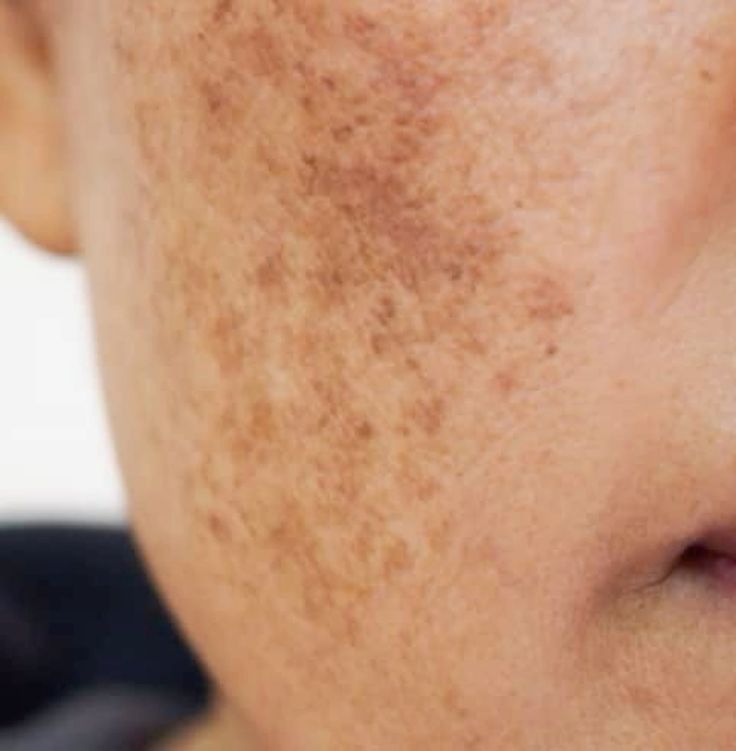

Skin spots can be defined as spots that are usually brown or red in color and are formed as a result of excessive pigment production by melanocytes in the skin. Skin spots can occur due to various factors and can negatively affect the appearance of the skin.
The main reasons behind the formation of spots include exposure to sunlight, hormonal changes, aging, acne and other skin problems. The formation and severity of skin spots may vary from person to person.
We will examine the factors that cause skin spots in more detail.
Types of Skin Spots
Spots seen on the skin can have different appearances depending on various reasons. The main types of skin spots are as follows:
Sun Spots: Usually brown or red spots that occur as a result of long-term exposure to sunlight.
Acne Spots: Red or brown spots that occur due to acne problems.
Hormonal Spots: Spots that occur as a result of hormonal changes and are mostly seen on the face, chest and abdomen. These can occur due to reasons such as puberty, hormone use and pregnancy.
Age Spots: Spots that occur as a result of increased pigment production with aging, usually seen on the hands and face.
Each type of spot has its own causes and characteristics. Let's examine them in more detail.
Sun Spots and Their Causes
Sun spots are brown or red spots that appear as a result of prolonged exposure of the skin to sunlight. These spots are usually seen on the face, hands, arms and other areas frequently exposed to the sun.
The UV rays of sunlight stimulate the melanocytes in the skin cells, causing them to produce excessive pigment. This leads to the formation of spots on the skin. Sun spots can become more visible as we age and can also contribute to the aging of the skin.
Prolonged exposure to sunlight can also lead to sunburn at different degrees depending on the skin type. This can also trigger the formation of spots. In addition, not using sunscreen or using it inadequately can also cause sun spots to form.
Acne Spots and Their Causes
Acne is a skin problem that occurs due to factors such as hormonal changes, excessive oil production and bacterial infections. Acne spots are red or brown marks left during the healing process of active acne.
Acne spots are usually seen on the face, back and chest area. They are formed as a result of inflammation and damage in acne areas. During the healing process of acne areas, melanocytes produce excessive pigment, causing spots.
Acne spots are a common problem in acne-prone skin. If not treated properly, they can be permanent for a long time and negatively affect the appearance of the skin. In addition to acne treatment, spot removal products can also be effective in reducing acne spots.
Pregnancy Spots and Causes
Skin spots that appear during pregnancy are usually called "melasma" or "chloasma". These spots can be seen on the face, chest and abdomen.
Pregnancy spots are a result of hormonal changes. Increased estrogen and progesterone hormones during pregnancy cause melanocytes to produce excessive pigment. This leads to spots on the skin.
Pregnancy spots usually appear during pregnancy and may tend to fade in the postpartum period. However, in some cases, it may take time for the spots to completely disappear or the spots may become permanent.
Pregnancy spots may become more noticeable with exposure to sunlight. Therefore, it is important to use sunscreen and avoid the sun during pregnancy.
Age Spots and Their Causes
With aging, spots that appear on the skin are called "age spots". These spots usually appear on the hands and face.
Age spots occur as a result of melanocytes producing excessive pigment. With aging, melanocytes lose control and these cells begin to produce more melanin. As a result, brown or reddish spots appear on the skin.
In addition, prolonged exposure to sunlight, smoking, stress and other environmental factors can also trigger the formation of age spots. With aging, the skin's ability to regenerate decreases, which also contributes to the formation of spots.
Age spots are usually permanent and may become more noticeable with exposure to sunlight. Appropriate treatment and protective measures can be effective in reducing these spots.
Methods to Prevent Skin Spots
Various protective measures can be taken to prevent or reduce the formation of skin spots:
Sun Protection: Using sunscreen, sun-protective accessories such as hats and scarves, and spending time in shaded areas can prevent the formation of spots.
Ensuring Hormonal Balance: Hormonal treatments can be applied under the supervision of a doctor for spots caused by hormonal changes.
Acne Treatment: Appropriate treatment of active acne can prevent the formation of acne spots.
Nutrition and Lifestyle: Healthy nutrition, stress management and adequate sleep can support skin health and reduce the formation of spots.
Spot Removal Products: Spot removal creams, serums or other products recommended by a doctor or dermatologist can be used to reduce skin spots.
It is important to take an approach that suits your personal needs and skin type for the prevention and treatment of skin spots. Regular checkups and expert support will be effective in the management of spot problems.
 Call
Call
 Whatsapp