



Since the body's water balance and fluid excretion are not normal in the postpartum period, edema may occur for various reasons. Factors such as changes in the body during and after birth, the mother's body weight, fluid intake during pregnancy and imbalances in fluid excretion may cause edema to occur.
Postpartum edema is usually a temporary condition and disappears on its own over time. However, in some cases, prolonged or severe edema may cause health problems. Therefore, it is important to monitor edema and apply appropriate treatment methods.
Causes of Postpartum Edema
Various factors may play a role in the emergence of postpartum edema. Among them:
1. Fluid Accumulation During Pregnancy: The increased amount of fluid in the body during pregnancy may continue for a while after birth. This may cause edema, especially in the legs, feet and face.
2. Trauma During Birth: Interventions, incisions or other traumas during birth can increase fluid accumulation in the body.
3. Hormonal Changes: Hormonal changes experienced in the postpartum period can contribute to edema formation by affecting water and sodium balance.
4. Malnutrition: Failure to eat adequately and balancedly during the postpartum period may cause the body's water and electrolyte balance to deteriorate.
5. Inactivity: Postpartum rest and relaxation may negatively affect the body's fluid distribution and excretion.
6. Changes in Kidney Functions: During the postpartum period, temporary changes in kidney functions may also contribute to the formation of edema.
7. Use of Anesthesia: Anesthetic drugs used during birth can increase fluid accumulation in the body.
The presence of one or more of these factors may cause postpartum edema.
Postpartum Edema Symptoms
Symptoms of postpartum edema may include:
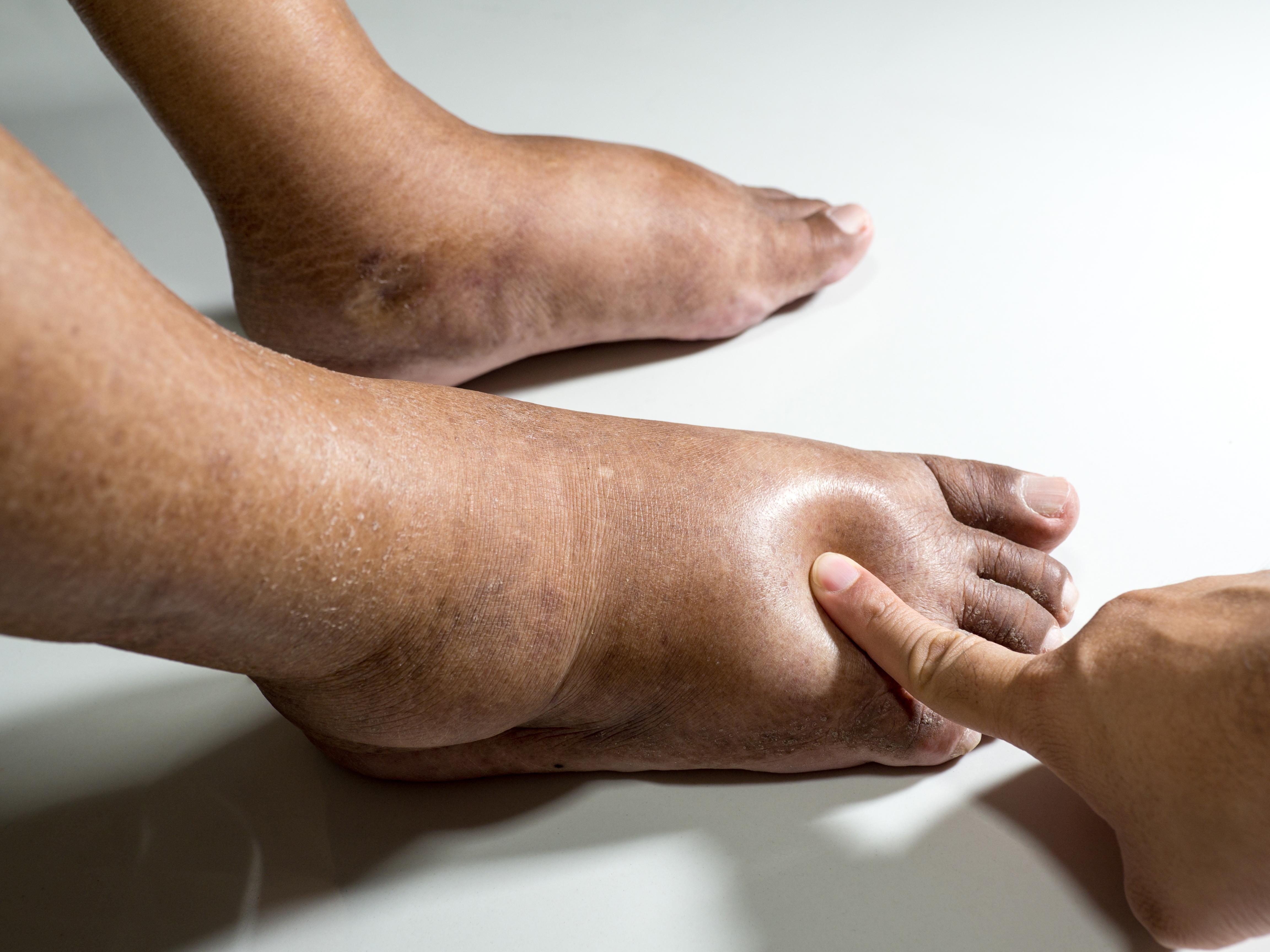
• Swelling: Visible swelling, especially in the hands, feet, legs and face.
• Pain: Feeling of pain and tension in the swollen areas.
• Skin Tension: Skin tension and shiny appearance in swollen areas.
• Feeling of Pressure: Feeling of pressure and pressure in swollen areas.
• Feeling of Distress: Difficulty in moving and feeling of distress due to edema.
• Weight Gain: Sudden weight gain in the postpartum period.
• Skin Color Change: Darkening of skin color or redness in swollen areas.
The severity of edema and the intensity of symptoms may differ in each woman. In some cases, edema is milder, while sometimes it can be quite severe.
How to Prevent Postpartum Edema?
You can take the following precautions to prevent postpartum edema:
8. Adequate and Balanced Nutrition: During the postpartum period, following a nutrition program rich in liquid, protein, vitamins and minerals can help prevent edema.
9. Regular Fluid Consumption: Increasing daily fluid intake supports kidney functions and can reduce edema formation.
10. Mobility: In the postpartum period, mobilization and light exercises as early as possible can contribute to the reduction of edema.
11. Leg and Foot Elevation: Especially keeping the feet and legs elevated can reduce fluid accumulation.
12. Regular Checks: In the postpartum period, it is important to follow up the edema and take the necessary precautions by making regular checks with the health personnel.
13. Stress Management: Controlling stress and anxiety in the postpartum period can reduce edema formation.
14. Choosing Appropriate Clothing: Choosing comfortable and loose-fitting clothes can prevent edema from increasing.
Implementation of these measures may prevent postpartum edema from occurring or help reduce its severity.
Postpartum Edema Treatment
Postpartum edema is a condition that usually resolves on its own. However, in some cases, if the edema is severe or lasts for a long time, it may cause health problems, so appropriate treatment methods may need to be applied. The following methods can be used in the treatment of postpartum edema:
15. Drug Treatment: In line with the doctor's recommendation, anti-edema drugs (diuretics) can be given. These medications can increase fluid excretion by supporting kidney function.
16. Physical Therapy: Physical therapy methods such as compression stockings, massage and lymphatic drainage can be effective in reducing edema.
17. Nutritional Support: During the postpartum period, implementing a nutrition program high in liquid, protein, vitamins and minerals can contribute to the reduction of edema.
18. Exercise: Regular and light exercises can help reduce edema by supporting fluid distribution and excretion.
19. Rest and Rest: In the postpartum period, adequate rest and rest can contribute to the reduction of edema.
One or more of these methods can be applied in the treatment of postpartum edema, depending on the severity of the condition and the causes. It is important to determine and implement appropriate treatment methods by communicating regularly with healthcare personnel.
Birth So
What Causes Postpartum Edema?
Free Information,
Consultation and Appointment Request
 Call
Call
 Whatsapp