


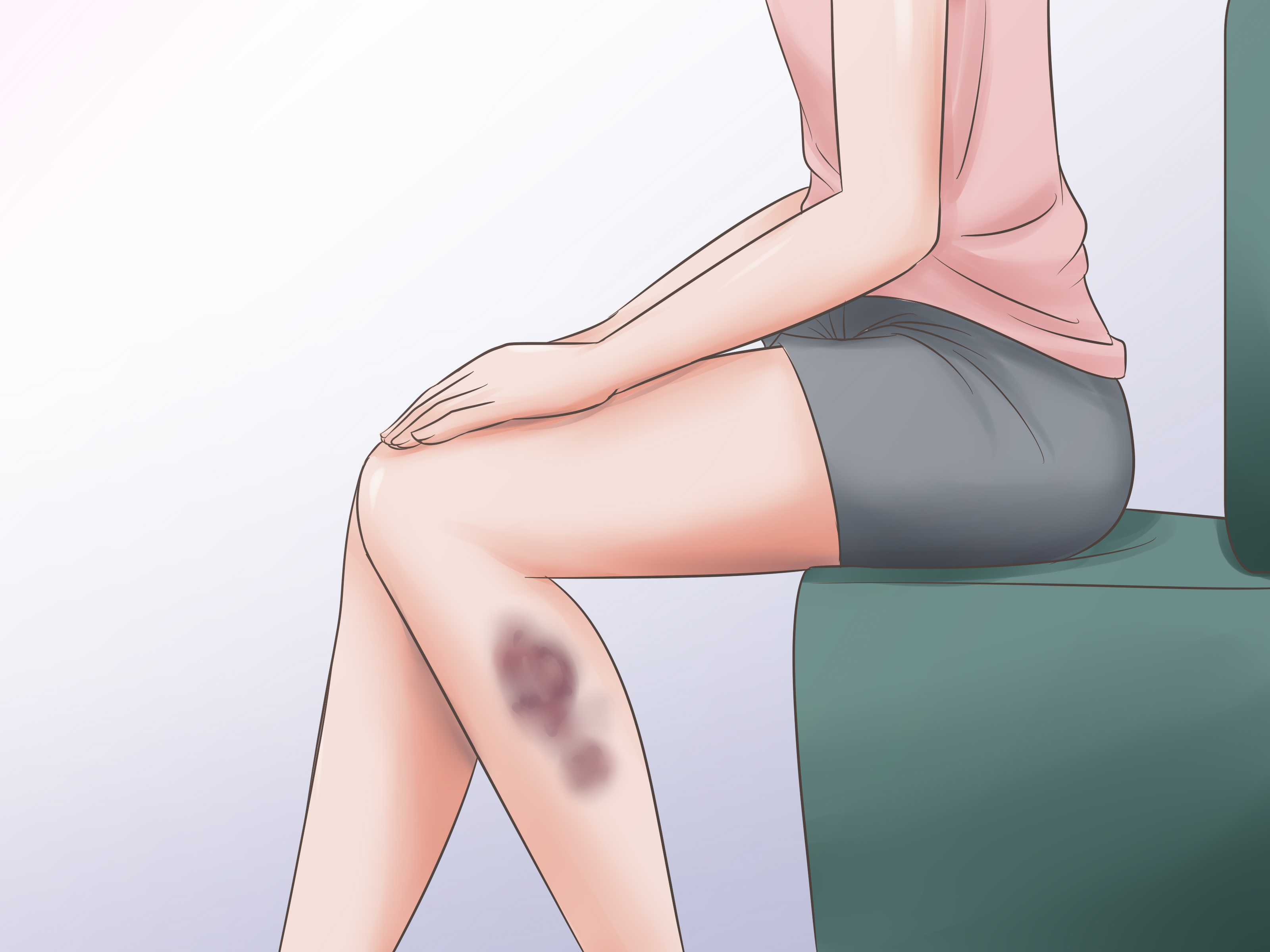

It can occur in certain areas or throughout the body and can appear in various ways.
Swelling can disrupt the normal functioning of the body's immune system and lead to various health problems. Therefore, it is important to be informed about the causes and symptoms of swelling. Timely and correct treatment of swelling can prevent more serious health complications.
Causes of Swelling
There are various factors that can cause swelling in the body. The most common of these are:
1. Fluid Retention: Excessive fluid retention in the body can lead to swelling, also known as edema. This can be caused by health problems such as kidney, heart or liver diseases.
2. Inflammation: Any infection or inflammatory process in the body can cause swelling in that area. For example, arthritis, appendicitis or gum inflammation can lead to swelling.
3. Allergic Reactions: The body's excessive response to allergens such as foods, medications or environmental factors can cause swelling.
4. Trauma or Injury: A physical trauma, fracture, dislocation or soft tissue damage in the body can cause swelling in that area.
5. Hormonal Changes: Pregnancy, menopause or some endocrine disorders can cause swelling in the body.
6. Nutritional Disorders: Inadequate or unbalanced nutrition can cause swelling in the body.
7. Kidney, Heart or Liver Diseases: Such health problems can cause fluid retention and swelling in the body.
Factors Affecting the Formation of Swelling in the Body
There are various factors that affect the formation of swelling in the body. The most important of these are:
8. Age: Old age can cause fluid retention and swelling in the body.
9. Gender: Swelling is more common in women due to hormonal changes.
10. Inactivity: Being inactive for a long time can cause fluid accumulation and swelling in the body.
11. Hot Weather: Hot weather can cause swelling by causing blood vessels to dilate and increasing fluid accumulation.
12. Stress: High levels of stress can contribute to inflammation and swelling in the body.
13. Smoking and Alcohol Consumption: Smoking and excessive alcohol consumption can negatively affect body health and cause swelling.
14. Eating Habits: Excessive consumption of salty, fatty and processed foods can lead to fluid retention in the body.
Symptoms of Swelling
Swelling in the body can manifest itself with various symptoms. The most common of these are:
• Abnormal swelling or swelling in a specific area or in general of the body
• Feeling of pressure or pain
• Tightness and shine on the skin
• Limited movement in the joints
• Change in skin color (redness, bruising)
• Dimpling on the skin (pitting edema)
• Shortness of breath or chest pain
• Fatigue and weakness
• Decreased urine output
Symptoms of swelling can vary depending on the cause. In some cases, swelling occurs suddenly and severely, while in other cases it can develop gradually.
Methods to Cope with Swelling
There are various methods to manage swelling in the body. The most effective of these are:
15. Regulating Fluid Intake: For conditions that cause fluid retention, it is important to reduce or balance fluid intake.
16. Restricting Salt Consumption: Limiting the consumption of salty foods can reduce fluid retention and swelling.
17. Moving: Regular exercise can reduce swelling by improving fluid distribution in the body.
18. Elevation: Keeping the affected area elevated can reduce fluid accumulation and swelling.
19. Applying Compression: Using compression stockings or bandages can help reduce swelling.
20. Medication: Diuretics, antihistamines or anti-inflammatory medications taken with a doctor's prescription can be effective in reducing swelling.
21. Natural Treatment Methods: Natural methods such as herbal teas, massage and acupuncture can also help reduce swelling.
To deal with swelling, it is important to treat the cause and make lifestyle changes. If swelling persists or worsens, it is always recommended to see a healthcare professional.
 Call
Call
 Whatsapp