


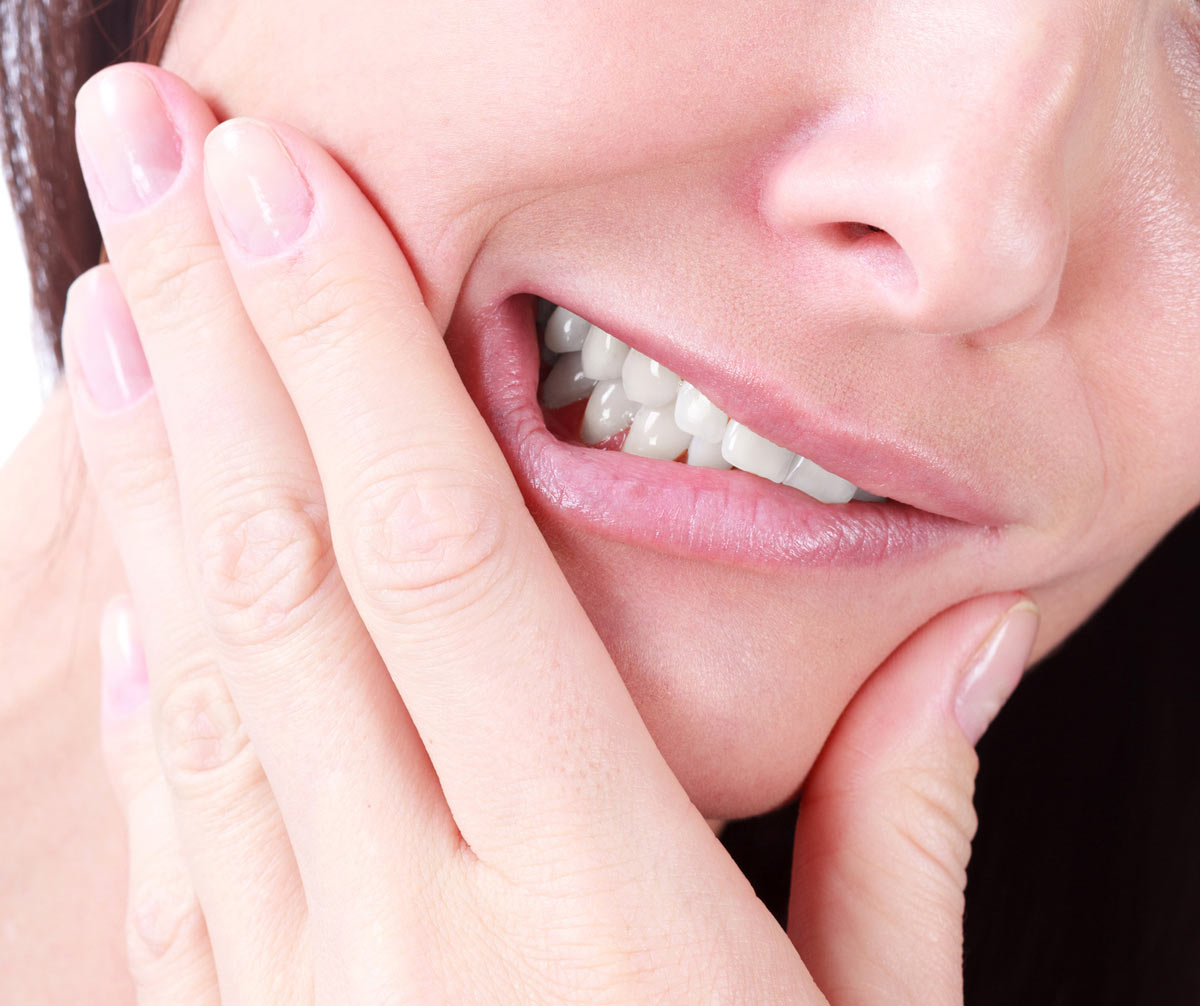

There may be several different reasons for teeth grinding. First, psychological factors can play an important role in the development of this habit. Emotional states such as stress, anger, anxiety, or depression can cause a person to clench their teeth. This may occur as an unconscious reaction to relieve oneself.
Another reason is physical factors. Conditions such as teeth not being properly aligned, jaw joint problems, or an incorrect bite can contribute to the occurrence of teeth clenching. Such situations can cause excessive tension in the jaw muscles and jaw joint, which can trigger teeth clenching.
Psychological factors of teeth grinding
Psychological factors of teeth grinding include emotional states such as stress, anger, anxiety or depression. These emotional states can affect the person's nervous system and trigger the habit of teeth grinding. Many people begin to clench or grind their teeth when they are stressed or anxious. This may be a response that occurs as a result of stress.
Emotional situations such as anger or depression can also trigger the habit of teeth grinding. The person unconsciously clenches his teeth to cope with these emotional situations. This can occur as an emotional reaction and can damage a person's teeth.
Physical factors of teeth grinding
Physical factors for teeth grinding include improperly aligned teeth, jaw joint problems, and improper bite. If your teeth are not properly aligned, you may tend to grind your teeth together while chewing or chewing. This friction can damage your teeth and jaw joint and trigger teeth grinding.
Another physical factor is jaw joint problems. Jaw joint problems can prevent your jaw from functioning properly and trigger a habit of teeth grinding. Such situations can cause excessive tension in the jaw muscles and lead to teeth clenching problems.
Improper bite is another physical factor of teeth grinding. If your upper and lower teeth are closing incompatibly, you may tend to clench or grind your teeth. This can damage your teeth and jaw joint.
Medical conditions of teeth grinding
Teeth grinding is known to be associated with some medical conditions. These include sleep apnea, temporomandibular joint disorder (TMJ), Parkinson's disease, and some psychiatric diseases. These medical conditions can trigger excessive tension in the jaw muscles and teeth clenching habits.
Sleep apnea is a condition characterized by respiratory arrests during sleep. This situation can trigger the habit of teeth grinding by putting the body in a stressful situation. Temporomandibular joint disorder (TMJ) is another medical cause of teeth grinding. This condition is characterized by pain, stiffness and limited mobility in the jaw joint and can trigger the habit of teeth grinding.
Parkinson's disease is another medical cause of teeth grinding. This neurological disease can affect the control of jaw muscles and cause a habit of teeth clenching. Some psychiatric diseases can also be associated with teeth grinding. These diseases can cause a person to clench their teeth due to imbalances in the nervous system.
The effect of stress on teeth grinding
Stress is one of the most common causes of teeth grinding. Many people unconsciously clench or grind their teeth when stressed. This may be a response that occurs as a result of stress. Stress is a condition that negatively affects the body and can lead to many health problems. Teeth grinding is also a health problem that occurs as a result of stress.
Stress tenses a person's jaw muscles and causes them to clench or grind their teeth. This can damage your teeth and jaw joint and cause pain. Additionally, constant clenching or grinding can lead to tooth wear and damage to the jaw joint. Therefore, reducing the effects of stress and managing stress is an important step in keeping teeth grinding under control.
Recognizing the symptoms of teeth grinding
Symptoms of teeth grinding usually appear as pain, jaw tension and wear on the teeth. When you clench your teeth, you may feel pain or tension in your jaw muscles. This pain is caused by overstretching of the jaw muscles and can restrict jaw movements.
Another symptom of teeth grinding is wear on the teeth. Constant clenching or grinding can damage your teeth and cause tooth wear. This wear can prevent your teeth from biting down properly and lead to jaw joint problems.
Tips for dealing with teeth grinding
Although teeth grinding sometimes cannot be prevented, some tips can help you manage teeth grinding. First, it is important to manage stress. When you're stressed, try to reduce stress by practicing relaxation techniques or engaging in hobbies. Additionally, improving your sleep patterns and getting enough sleep can also help reduce teeth grinding.
dental s
 Call
Call
 Whatsapp