


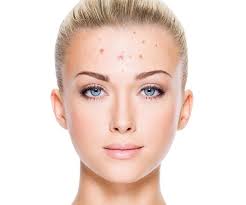

What Causes Darkening of the Face?
Darkening of the face can be caused by pigment changes in the skin. Increased or decreased melanin production in the skin can affect the color of the skin. Darkening of the face can develop due to various internal and external factors. This condition can be a symptom of some diseases, and environmental factors can also play a role.
1. Melasma (Chloasma)
Melasma is a skin disease characterized by brown spots on the face, especially in areas such as the forehead, cheeks and upper lip. Hormonal changes, especially pregnancy, birth control pills or hormone treatments, can cause melasma. Exposure to the sun can also trigger melasma. Melasma occurs when pigment production in the skin increases and is usually a temporary condition.
2. Sun Spots (Solar Lentigo)
Darkening of the face can be caused by sun spots caused by the sun's harmful UV rays. Prolonged exposure to the sun can increase the skin's melanin production, leading to the formation of spots. Sunspots become more noticeable, especially with age, and are usually seen in light areas of the face.
3. Acanthosis Nigricans (Deep Darkening)
Acanthosis nigricans is a disease that manifests itself with dark, thickened and sometimes rough areas on the skin. This condition usually occurs when the body develops insulin resistance and is often associated with metabolic diseases such as obesity and diabetes. Darkening on the face can be seen especially in the under-eye areas and on the neck.
4. Side Effects of Medications
Some medications, especially hormone treatments, birth control pills and some antibiotics, can cause darkening of the skin. Pigment changes in the skin can occur as a side effect of the medications. These side effects can be more pronounced, especially when exposed to the sun.
5. Psoriasis
Psoriasis is a disease that causes rapid renewal of skin cells, and this can cause thick, scaly patches on the skin. Darkening on the face can be seen in areas affected by psoriasis. Psoriasis can cause pigment changes due to inflammation in the skin.
How Can We Treat Darkening on the Face?
1. Sun Protection
One of the most important causes of darkening on the face is sun exposure. Therefore, it is very important to use a high SPF sunscreen before going out in the sun. The harmful UV rays of the sun can trigger pigment production in the skin, so protection is the most effective way to prevent darkening.
2. Topical Treatments and Creams
For pigment disorders such as melasma, doctors usually recommend skin whitening creams and acidic treatment options. These creams can help the skin gain a more even tone. In addition, creams containing vitamin A (retinol) can stimulate skin renewal.
3. Chemical Peeling
Chemical peeling is an effective treatment method used to reduce blemishes and darkening on the skin. Cleaning the dead cells on the skin surface can reveal a smoother and more even-toned skin. Chemical peeling should be performed by dermatologists.
4. Laser Treatment
Laser treatment is a recommended method especially for pigment changes such as sun spots and melasma. Laser can help spots disappear faster by breaking down the pigment in the skin. It also provides a brighter skin tone by encouraging skin renewal.
In Conclusion
Darkening on the face can be caused by many different reasons. Hormonal changes, sun exposure, some diseases or medications can cause this condition. In order to treat darkening on the face, it is necessary to perform skin care with the right treatment methods. Using sunscreen, applying topical treatment and getting professional help from a dermatologist are effective ways to reduce darkening on the skin.
 Call
Call
 Whatsapp