


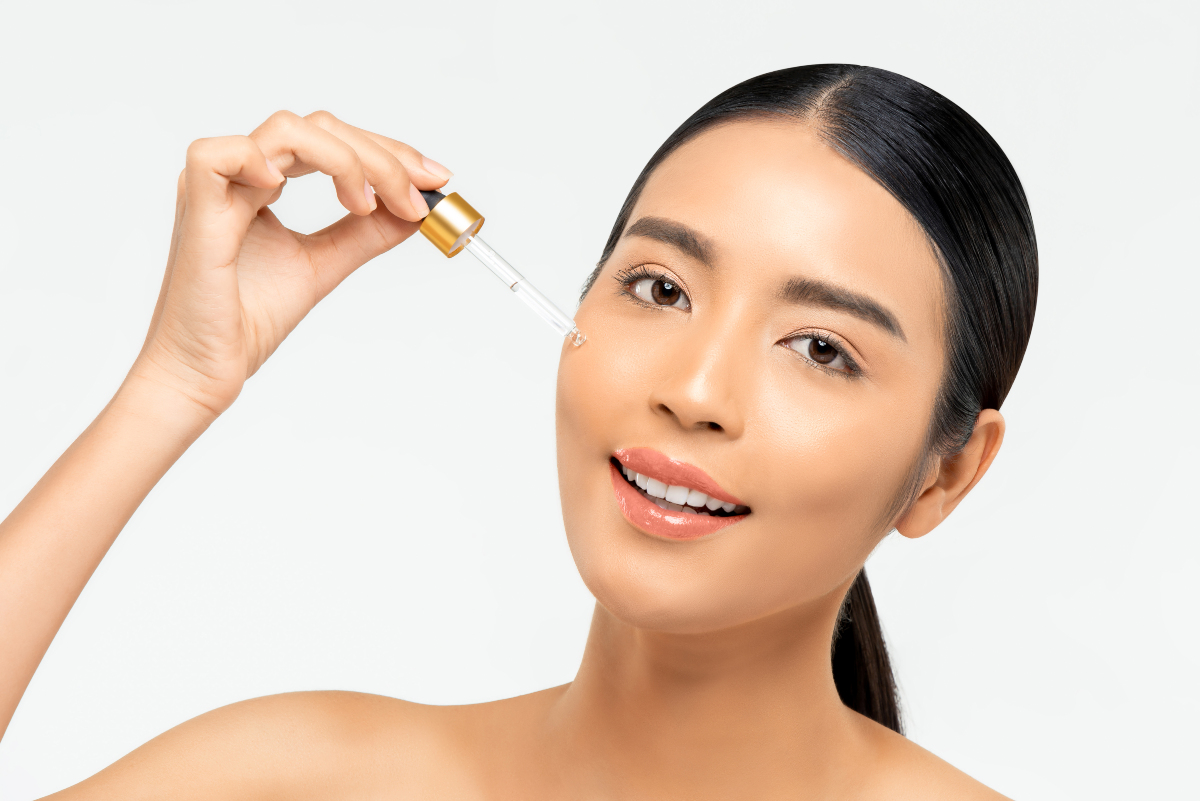

Hyaluronic acid is a polysaccharide found naturally in the body. It is found in connective tissue as well as skin, eyes, joint fluid, and nerve tissue. Hyaluronic acid maintains the skin's moisture balance and provides elasticity thanks to its ability to bind water. It also increases joint mobility by reducing friction in joint fluid. Therefore, hyaluronic acid is important for joint health.
Benefits of Hyaluronic Acid in Skin Care
Hyaluronic acid offers many benefits in skin care. First of all, it helps maintain the skin's moisture balance. Hyaluronic acid moisturizes the skin by trapping water in the skin and reduces the appearance of lines and wrinkles caused by dryness. Additionally, hyaluronic acid increases skin elasticity and smoothes skin tone.
Hyaluronic acid also supports collagen production in the skin. Collagen is a type of protein that provides skin firmness and elasticity. As we age, collagen production in the body decreases and sagging and wrinkles may occur on the skin. Hyaluronic acid supports the skin to look young and healthy by increasing collagen production.
Hyaluronic Acid in Anti-Aging Products
Hyaluronic acid is an important component of anti-aging products. Many wrinkle creams, serums and masks contain hyaluronic acid. These products moisturize the skin and reduce wrinkles by using the moisture retention property of hyaluronic acid in the skin.
Hyaluronic acid also increases the elasticity of the skin, providing a firmness and youthful appearance. Hyaluronic acid in anti-aging products reduces the signs of skin aging while also protecting the health of the skin.
Hyaluronic Acid for Joint Health
Hyaluronic acid is important for joint health. Hyaluronic acid found in joint fluid increases joint mobility and reduces friction. This helps reduce problems such as joint pain and stiffness.
Hyaluronic acid also protects the health of joint cartilage. Cartilage is a slippery tissue that covers joint surfaces. As we age, cartilage can become worn and damaged. Hyaluronic acid protects joint health and reduces pain by supporting cartilage.
How to Incorporate Hyaluronic Acid into Your Skin Care Routine
You can follow these steps to learn how to include hyaluronic acid in your skin care routine:
Add a cleanser containing hyaluronic acid to your facial cleansing routine. This cleanses your skin while also moisturizing it.
Use a product containing hyaluronic acid as a toner. This moisturizes and prepares your skin.
Apply hyaluronic acid serum. This provides intense moisture to your skin and reduces wrinkles.
Use a product containing hyaluronic acid as a moisturizer. This keeps your skin moisturized and increases its elasticity.
Don't forget to use sunscreen. Sunscreens containing hyaluronic acid protect your skin from the harmful effects of the sun and moisturize it.
Potential Side Effects and Precautions of Hyaluronic Acid
Hyaluronic acid is generally considered safe, but it may cause side effects in some people. The most common side effects include redness, swelling, and itching. In rare cases, allergic reactions or infections may also occur.
Before using hyaluronic acid, make sure you choose products suitable for your skin type. Additionally, it is important to research brands for quality and reliability. If you experience any side effects, stop use and consult a doctor.
Natural Sources of Hyaluronic Acid
Hyaluronic acid is found naturally in the body, but is also found in some foods. Some natural resources are:
Fish: Cold water fish, especially salmon and sardines, contain hyaluronic acid.
Vegetables and fruits: Some vegetables and fruits, such as carrots, spinach, cabbage, oranges and pineapple, contain hyaluronic acid.
Bone broth: Bone broth contains hyaluronic acid, which is beneficial for joint health.
You can increase your hyaluronic acid intake by including these foods in your diet. However, applying hyaluronic acid directly to your skin may be a more effective method.
Hyaluronic Acid Supplements and Injections
Hyaluronic acid supplements can be used to increase hyaluronic acid intake. These supplements are usually available in capsule or tablet form and taken daily. However, it is important to consult a doctor before using supplements.
Hyaluronic acid injections are also a popular option. These injections aim to restore the skin's moisture balance and youthful appearance by injecting hyaluronic acid under the skin. However, it is important to consult a dermatologist before having this procedure.
 Call
Call
 Whatsapp