


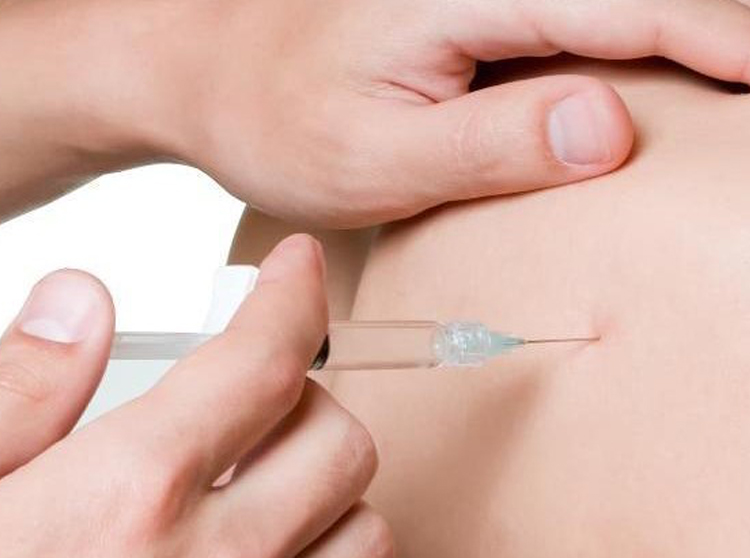

What is Injection?
Injecting means to insert a substance into a body part, usually through a needle or other instrument. This term is often used in medical applications, when drugs, vaccines or fillers are administered into the body. Injection allows a drug or other treatment substance to enter the body directly and can have a rapid effect.
Areas of Use of Injection
Injections are used in a wide variety of medical treatments. For example:
Vaccines: Vaccines used to prevent diseases in order to provide immunity to the body are administered by injection.
Painkillers: Painkillers can be administered by injection so that they can be effective quickly in painful situations.
Local Treatments: Injections made under the skin provide treatment in local areas, providing healing directly in the targeted area.
Aesthetic Applications: Along with developing medical technologies, aesthetic applications such as botulinum toxin, fillers and fat injections are also performed by injection.
How is Injection Performed?
The injection process is usually done using a needle and syringe. First, the needle is placed under the skin or into the muscle tissue. The therapeutic substance is then squeezed into the area to be injected. Depending on the area to be injected, the length of the needle used and the amount of substance between the needle and the substance can vary. Injections are generally short procedures and are considered painless by most people.
Types of Injections
Injections can be administered in several different ways:
Intramuscular Injection (IM): The medication is injected into the muscle. This type of injection is often used for vaccines and painkillers.
Subcutaneous Injection: The medication is administered under the skin, into the tissue just under the skin. It is often used in treatments such as insulin injections for diabetics.
Intravenous (IV) Injection: The medication is injected directly into the blood vessel. This is a method used to provide rapid effect.
Intradermal Injection: The injection is administered into the skin under the skin. This type of injection is used for vaccines and some allergy tests.
What Happens When an Injection is Given?
Since the injected substance is administered directly to the body, it usually works quickly. For example, a painkiller injection can relieve pain in a short time. Aesthetic applications also usually provide fast results. For example, Botulinum toxin injections are administered to the facial muscles and reduce wrinkles within a few days.
Things to Consider After Injection
Paying attention to some simple care steps after injection can help prevent possible side effects:
Keep the Injected Area Clean: Keeping the area clean and dry after the injection reduces the risk of infection.
Pain or Swelling May Occur: Mild pain or swelling may occur after the injection. This is usually temporary and will heal within a few days.
Avoid Exercise: It is recommended to avoid heavy exercise for a few days after the injection.
Consult a Doctor: If an unexpected situation develops after the injection (for example, excessive pain, redness or signs of infection), a healthcare professional should be consulted.
Conclusion
Injection is a method widely used in medical treatment and aesthetic applications. It allows the body to quickly deliver medicine, vaccines or fillers. Although it is generally safe, post-injection care and support from a specialist physician can help prevent unwanted results.
 Call
Call
 Whatsapp