


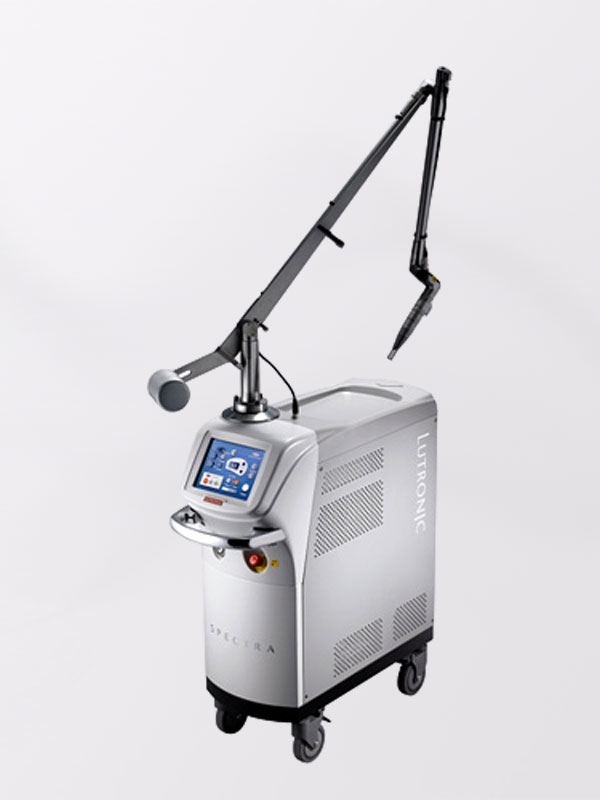

Although there are other techniques used to control the output power of the laser beam, Q switching is one of the most effective methods for this purpose. Q switching converts the power output of the laser into short-duration pulses of milliseconds or microseconds, significantly increasing the intensity of the beam. In this way, the efficiency and usage areas of the laser beam are expanded.
The Q switching technique is used in laser surgery, silk printing, material processing, remote sensing and many other fields. Due to its simple structure and effective performance, it has an important place in modern laser technologies.
How does the Q switch work?
Q switching is a mechanism used to control the output power of the laser beam. Its basic working principle is to control the energy storage and release of the beam.
In the laser system, the excited atoms store the light energy. The Q switch ensures that this stored energy is released in a short time and with high intensity. In doing so, it uses a mirror or crystal structure element that directs the output of the beam. This element blocks the output of the beam for a short time and then releases it suddenly.
This sudden release allows the laser beam to be released in high-intensity, short-term pulses. By performing this controlled energy release, the Q switch significantly increases the efficiency of the laser beam.
The diagram below shows the basic operating principle of the Q switch:
Areas of use of the Q switch
Q switch technology allows the laser to be used in a wide variety of areas. The main areas of use are:
Laser Surgery: Q switch is widely used in eye surgery, skin and other tissue treatments. Short and high-energy laser pulses provide precise and effective results in surgical interventions.
Material Processing: Q switch technology is used in the processing of materials such as metal, ceramics and glass. Precise control of high-energy laser pulses provides significant advantages in applications such as cutting, drilling or surface processing of these materials.
Remote Sensing: Q switch is used in lidar (Light Detection and Ranging) technologies. Short and high-energy laser pulses allow precise determination of the distance and location of objects.
Biology and Medicine: Q switch technology is used in applications such as analysis of biological samples, cell and tissue imaging. It offers high-resolution imaging and analysis opportunities.
Industrial Applications: Q switch's controlled laser pulses are used in industrial processes such as printing, marking, and cleaning. It provides high precision and efficiency.
Defense and Space Technologies: Q switch's high-energy laser pulses are used in areas such as remote sensing, target detection, and laser weapons.
This wide range of uses shows the importance of Q switch technology in modern laser applications.
Benefits of Q switch
The main benefits of Q switch technology are:
High Energy Density: Q switch allows the energy of the laser beam to be released in a short time and at high intensity. This makes the laser more effective in various applications.
Precise Control: Q switch makes it possible to precisely control the output power and duration of the laser beam. This allows more accurate results to be obtained during the process.
Increased Productivity: Q switch technology significantly increases the efficiency of laser applications. More work can be done in a shorter time.
Pulse Duration Control: Q switch can reduce the pulse duration of the laser beam to milliseconds or microseconds. This provides advantages in the processing of various materials.
Wide Application Area: Q switch technology can be used in many different areas such as laser surgery, material processing, remote sensing.
Reliability: Q switch mechanisms have a durable and reliable structure. It offers long-term use.
All these benefits clearly show the importance of Q switch in modern laser technologies.
Side effects of Q switch application
Q switch technology is generally a safe and effective method. However, in some cases, negative side effects can be seen:
Tissue Damage: High-energy laser pulses can cause overheating and damage, especially in the treatment of sensitive tissues. Careful adjustment and experienced use are required.
Eye Damage: The high-energy beams of Q switch lasers can cause serious damage if they enter the eyes. Eye protection and safety precautions are extremely important.
Skin Burns: Especially in pigmented skin, Q switch lasers can cause burns. Correct adjustment and careful application are essential.
Color Changes: In some cases, Q switch lasers may cause undesirable color changes in the skin or other tissues.
Risk of Infection: There is a risk of infection after laser applications. Sterilization and hygiene measures should be taken.
These side effects show that Q switch technology should be applied by careful and experienced users. Correct setting, safe
 Call
Call
 Whatsapp