


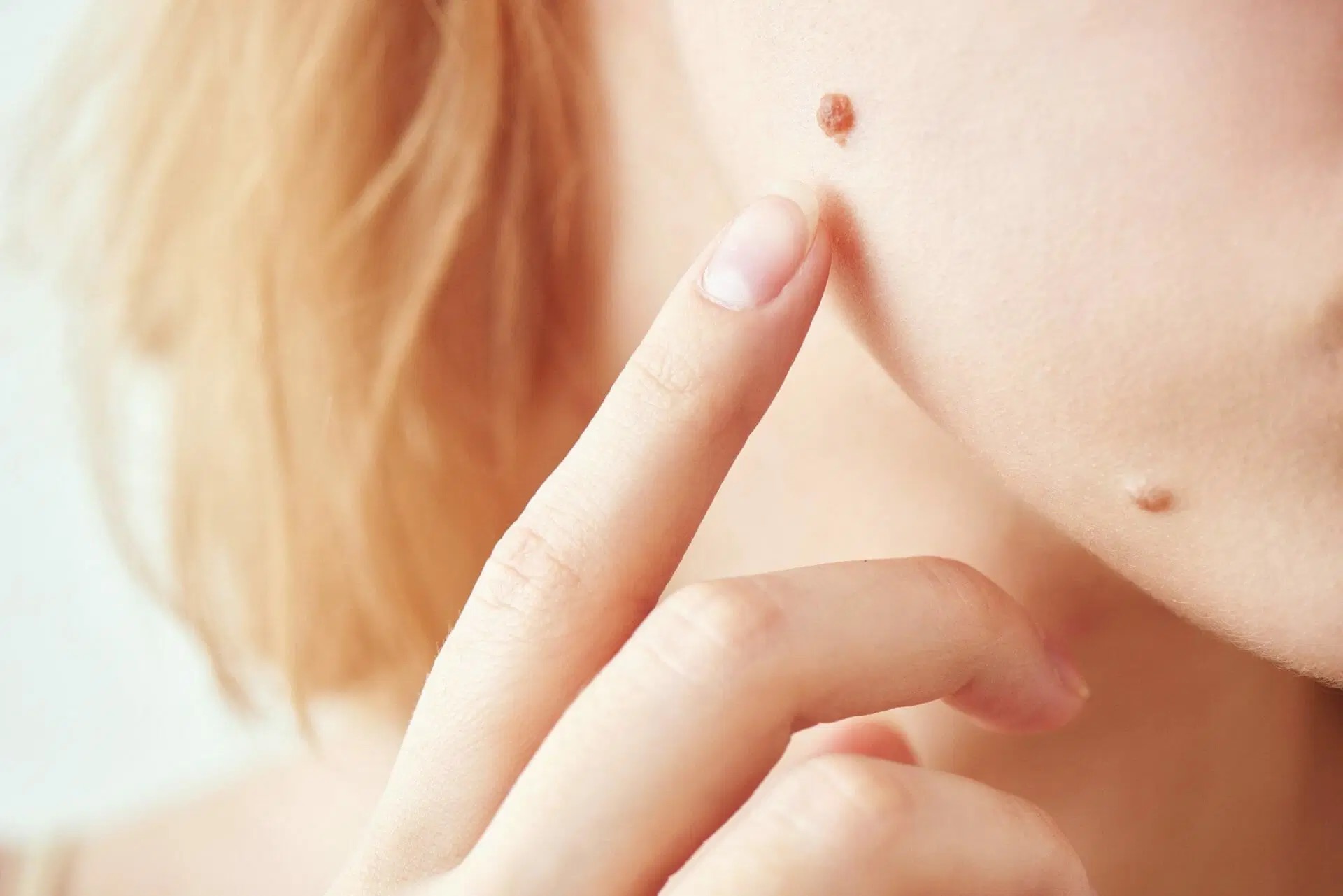

Skin tags are caused by excessive proliferation of cells found in the natural structure of the skin. They usually occur due to factors such as genetic predisposition, pregnancy, excessive weight gain or friction. Most people develop at least one skin tag during their lifetime.
Skin tags are small, soft and slightly elevated tissue particles in appearance. Their color is usually the same color as the skin, but sometimes it can be slightly darker or lighter. Their size usually varies between 2-5 millimeters, but larger ones can also be seen.
Characteristics of Skin Tags
Skin tags have the following characteristics:
Appearance: They are small, soft, hanging tissue particles.
Color: They can usually be the same as the skin color or slightly darker/lighter.
Size: They usually vary between 2-5 millimeters, but larger ones can also be seen.
Location: They often occur in the neck, armpit, chest and belly area.
Pain/Aching: They usually do not cause pain or suffering.
Cancer risk: The risk of developing into cancer is quite low.
Causes of Skin Moles
Skin moles are usually formed by the excessive proliferation of skin cells caused by the following factors:
Genetic predisposition: Some people are more prone to skin moles.
Pregnancy: Skin moles can form during pregnancy due to hormonal changes.
Excessive weight gain: Tension and friction on the skin can trigger skin moles.
Friction: Friction between clothing, jewelry or body parts can cause skin moles.
What Happens If You Tear Off a Skin Mole?
Skin moles are usually safe, but they do come with some risks:
Risk of infection: After skin moles are removed, an infection can develop in the area where they are removed. Therefore, hygiene rules should be followed before and after the procedure.
Risk of recurrence: After skin moles are removed, there is a risk of recurrence in the same area. This is due to the root not being completely removed.
Bleeding: Skin moles can cause slight bleeding. However, this usually stops in a short time.
Scar: After skin moles are removed, a small scar may remain. However, this scar usually disappears over time.
Treatment of Skin Tags
A variety of methods can be used to treat skin tags:
Surgical removal: A skin tag can be safely removed by a surgeon. This method ensures that the root is completely removed and reduces the risk of recurrence.
Freezing (cryotherapy): A skin tag can be frozen using liquid nitrogen. This process dries out the tag and causes it to fall off.
Laser treatment: A skin tag can be burned off using high-energy laser beams.
Drug therapy: Some medications can be used to shrink or eliminate skin tags.
Each method has its advantages and disadvantages. You and your doctor should decide which treatment method is appropriate.
 Call
Call
 Whatsapp