



The main types of birthmarks are:
1. Congenital Melanocytic Nevus (Congenital Moles): These are brown or black colored, irregularly bordered spots that can occur in any part of the body. Their sizes may change during infancy.
2. Mongolian Spots: These are bluish-gray colored, irregularly bordered spots that are usually seen on the baby's back, hips or leg areas. It may fade and disappear over time.
3. Café-au-Lait Spots: These are brown colored, regularly bordered spots that are usually seen singly. It can occur in any part of the body.
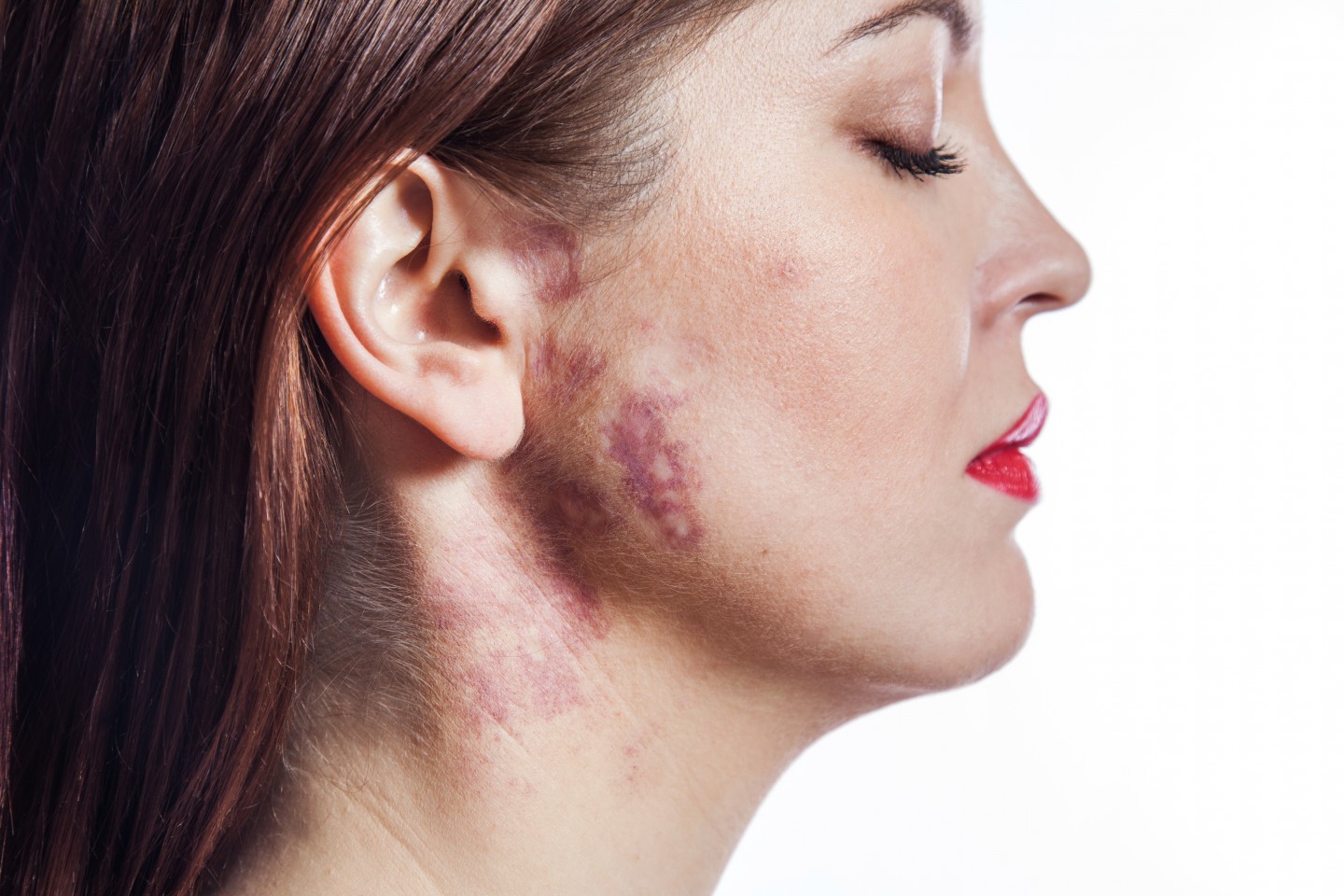
4. Hemangioma: It is a red, purple or blue colored, raised-looking, vascular spot. It usually occurs on the face, neck or trunk area.
5. Epidermal Nevus: It is a brown, yellow or red, superficial, crusty spot. It often occurs on the trunk, face or extremities.
Why Do Birthmarks Occur?
Although the exact causes of birthmarks are not known, the following factors are thought to be effective:
• Genetic Factors: Genetic predisposition plays an important role in birthmark formation. The incidence of birthmarks is higher in some families.
• Hormonal Factors: Hormonal changes during pregnancy may trigger birthmark formation.
• Pigment Cells: Abnormalities in the melanocyte cells responsible for pigment production may be effective in the formation of birthmarks.
• Vascular Anomalies: Disorders in vascular development may play a role in the formation of vascular birthmarks such as hemangioma.
Birthmark Symptoms
Symptoms of birthmarks may differ depending on their type:
• Congenital Melanocytic Nevus: Brown or black spots of variable size, irregular borders, present at birth.
• Mongolian Spots: Bluish-grey colored, irregularly bordered spots present at birth.
• Café-au-Lait Spots: Brown colored, regularly bordered spots that are present at birth or develop later.
• Hemangioma: Red, purple or blue colored, raised-looking spots that are present at birth or develop later.
• Epidermal Nevus: Brown, yellow or red, superficial, crusty spots that are present at birth or develop later.
Birthmark Diagnosis
Diagnosis of birthmarks is usually made by visual inspection. The doctor makes a diagnosis by evaluating the features of the stain such as its appearance, color, borders and distribution. In some cases, more detailed examinations (skin biopsy, imaging tests, etc.) may be required.
Birthmark Treatment
Most birthmarks fade away or shrink and become less visible over time without requiring any treatment. However, some stains can be treated for aesthetic or functional reasons. Treatment options include:
6. Monitoring: The size, color and appearance of the stain are monitored regularly. If there are any changes, treatment is planned.
7. Cosmetic Products: Concealer creams, foundations or pigment blocking products can be used to hide the blemish or reduce discoloration.
8. Laser Treatment: By using different types of lasers, the discoloration or appearance of the spot can be reduced.
9. Surgical Treatment: Surgical intervention may be required to completely remove the stain. This is usually applied for larger or aesthetically pleasing blemishes.
10. Chemical Peeling: Chemical agents (glycolic acid, retinoic acid, etc.) can be used to remove the stain.
Methods That Can Be Used at Home for Birthmarks
Some home remedies may also be effective in treating birthmarks:
• Reducing Sunlight Exposure: Protecting the stain from sunlight can prevent discoloration.
• Natural Products: Natural products such as lemon juice, apple cider vinegar, potato juice can be used to lighten the stain.
• Massage: Regular massage of the blemish area can improve the appearance of the blemish by increasing blood circulation.
• Nutrition: Consuming foods containing antioxidants and vitamins can improve the formation and appearance of the blemish.
What is a Birthmark?
Free Information,
Consultation and Appointment Request
 Call
Call
 Whatsapp