


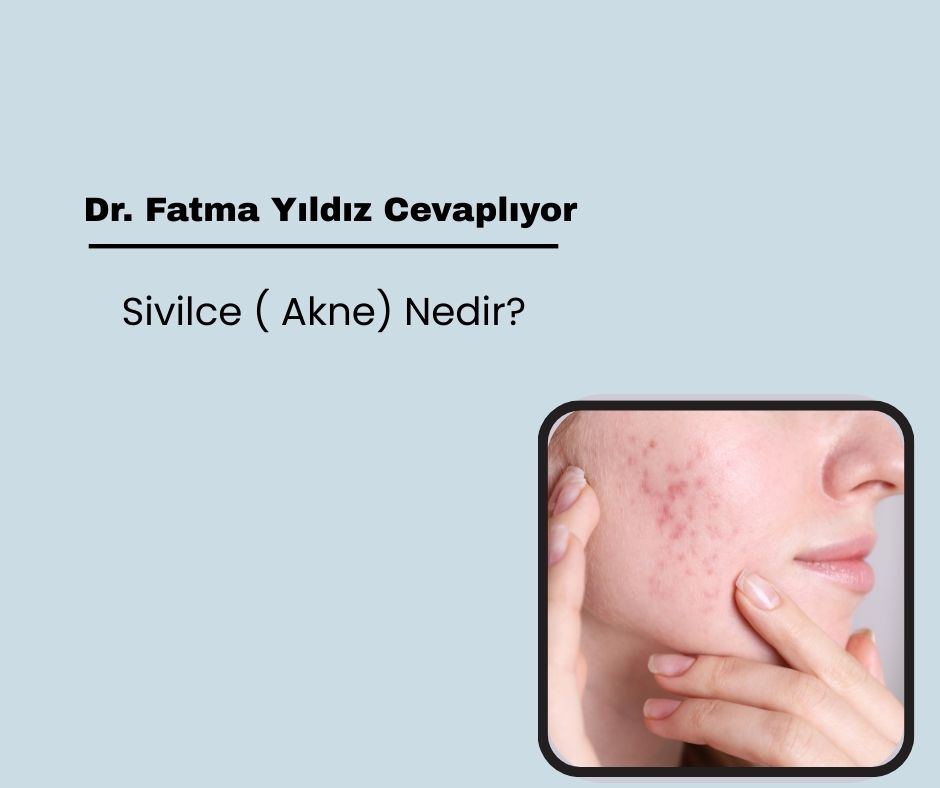

What is Acne?
Acne is actually a disease of the sebaceous glands. The secretions produced by the sebaceous glands cover the surface of the skin, prevent our skin from drying out, and protect our skin against infections. Each sebaceous gland opens into a hair root. These secretions secreted by the sebaceous gland reach the surface through the hair, and if this channel where the sebaceous gland opens is blocked, the sebaceous gland continues to secrete oil. First, oil deposits called closed and open comedones are formed, and then when acne-causing bacteria settle in these oil deposits, inflamed pimples occur.
Why Does Acne Occur?
Acne is a disease that shows genetic predisposition. Due to the characteristics inherited from your family, especially during adolescence, the sebaceous glands become very sensitive to the hormones in your body. The sebaceous glands work very hard and cause acne. The oily creams and air-tight make-up materials applied close the channel of the sebaceous glands, that is, the pores, and facilitate acne formation.
How is Acne Treated?
Acne treatment is selected according to the severity of the acne. If your acne is mild, only cream treatments should be given. Because every drug has more or less side effects. There is no need to give antibiotic treatment to patients for whom cream treatment will be sufficient. The drugs to be used as creams are selected according to you, if the ends of the sebaceous glands, which we call comedones, are blocked, peeling creams should be given. Antibiotic creams are added to the treatment for mild and moderate acne. Some creams that can be used in acne treatment are as follows. erythromycin, clindamycin, tetracycline, benzoyl peroxide, retinoid, tretinoin, isotretinoin, adapalene
If acne is deep-seated and severe, oral medication should be used. Because deep-seated acne leaves scars. Even if acne disappears, acne scars can be permanent. Severe acne should be treated without waiting to prevent scarring. The most commonly used drugs for acne treatment are oral antibiotic treatment. Acne treatment is a long treatment, antibiotics should be used for 2-4 months depending on the response. Using antibiotics for such a long time may have side effects, antibiotics should only be used under the supervision of a dermatologist.
The most effective treatment for acne is vitamin A (isotretinoin). This drug is very effective in a lot of acne, but it has many side effects, so it is only given to patients with severe acne who do not respond to antibiotic treatment. Its most common side effect is drying of the entire body, especially the lips and nose. It can increase liver enzymes. For this reason, liver tests and blood lipids are routinely checked before and during treatment. You should never get pregnant while using drugs containing vitamin A.
Laser, needle radiofrequency, chemical peeling treatments can be used together or separately with these treatments.
How is Acne Treatment Planned?
Acne treatment is arranged according to the severity and depth of your acne, in short, according to you. If you have a disease that prevents you from using medication, only needle radiofrequency and chemical peeling treatments can be done without giving any medication, and in very difficult acne, both drug treatments and needle radiofrequency treatment can be started together. It should not be forgotten that acne treatment is a long treatment, no matter which treatment is applied. The most important point in treatment is to be in harmony with the doctor and follow the recommendations given.
What Should Acne-Prone Skin Not Eat?
There is no relationship between diet and acne, in other words, the reason our skin is oily is not the foods we eat. It is seen that only foods that suddenly increase blood sugar and have a high glucose index exacerbate existing acne. For this reason, it is recommended not to consume chocolate, white bread, sugar, fast food, ready-made fruit juices, milk and dairy products too much.
What Can Be Done to Prevent Acne?
The main reason for acne formation is usually hormonal changes. Especially during puberty, increased androgen hormones in the body cause the oil glands in the skin to produce more. This excess oil, combined with dead skin cells, clogs the pores and prepares the ground for acne formation. These fluctuations in hormones can be triggered not only during puberty, but also in situations such as the menstrual cycle, pregnancy, menopause or stress. During times of stress, increased stress hormones such as cortisol can also increase oil production in the skin, causing acne. Although it is important to pay attention to skin care to manage acne problems caused by hormonal imbalances, it may be necessary to get to the root of the problem with hormonal treatment and doctor's advice.
Regular skin care and healthy living habits are very important to prevent acne formation. First of all, cleansing your skin twice a day, morning and evening, with a gentle cleanser prevents excess oil, dirt and dead cells accumulated on the skin surface from clogging the pores. It is important to use products that are as suitable for your skin type as possible during this cleansing in order not to irritate the skin and disrupt the oil balance. Water-based products should be preferred for oily skin.
 Call
Call
 Whatsapp