


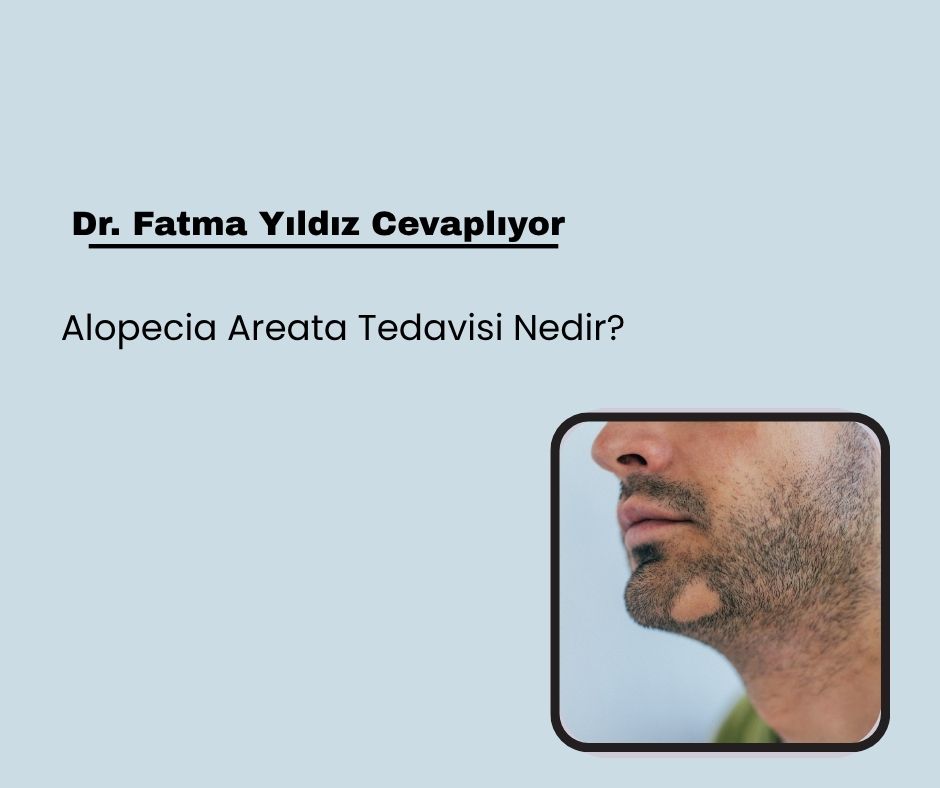

What is Alopecia Areata Treatment?
New Hope, Janus Kinase (JAK) Inhibitors
Hair loss is a problem that seriously affects the quality of life of individuals with its psychological effects as well as aesthetic concerns. Especially autoimmune hair loss such as Alopecia Areata (AA) can be commonly seen in both women and men. In recent years, a new method that has revolutionary results in the treatment of this disease has come to the fore: Janus Kinase (JAK) inhibitors.
The Relationship of Alopecia Areata with Immunity
Alopecia Areata is an autoimmune disease that occurs when the body's own immune cells attack the hair follicles. This attack causes the hair follicles to pause in the anagen (growth) phase and eventually fall out. As a result of a T-cell-mediated inflammatory process, the structure of the hair follicles is damaged.
Molecular level studies conducted in recent years have revealed that the JAK-STAT pathway is particularly active in this process. This finding has enabled the treatment target to be shaped through this molecular pathway.
How Do JAK Inhibitors Work?
JAK inhibitors suppress inflammation by controlling the excessive response of immune cells. Thus, the immunological attack on the hair follicles stops and the hair begins to grow again. Oral JAK inhibitors, especially tofacitinib, ruxolitinib and baricitinib, have shown promising results in the treatment of AA.
Baricitinib has been approved by the FDA and has begun to be used in clinical applications in this field. Studies have shown that baricitinib, used in weekly doses of 2-4 mg, provides more than 50% hair recovery in a significant number of patients.
Clinical Findings and Treatment Results
In clinical studies, especially those evaluated using SALT (Severity of Alopecia Tool) scores, the response rate of JAK inhibitors to treatment is remarkable. For example;
A significant decrease in SALT scores was observed in 38% of patients using baricitinib at the end of 36 weeks.
In a study conducted with tofacitinib, partial hair recovery was achieved in 75% of patients and complete response was achieved in 32% after 3 months.
The most important advantage of these drugs is that they are systemically effective and can be easily taken orally. However, regular laboratory monitoring is recommended as they may have effects on liver functions and lipid profile in long-term use.
Side Effects and Things to Consider
The most common side effects of JAK inhibitors include increased risk of infection, headache and increased liver enzymes. It is very important to use them under the supervision of a doctor, especially in long-term treatment plans.
Hopes for the Future
The effectiveness of JAK inhibitors in the treatment of Alopecia Areata has been scientifically demonstrated and has significantly increased the quality of life in many patients. Following baricitinib, the first FDA-approved drug, it is expected that other JAK inhibitors will also receive approval in this field. This will facilitate access to treatment and pave the way for personalized approaches.
Conclusion: Personalized and Science-Based Treatment
Instead of a single solution in the treatment of complex diseases such as Alopecia Areata, personalized and smart drugs targeting the immune system come to the fore. In this sense, JAK inhibitors have become one of the most powerful weapons against hair loss. Patients accessing these treatments under the supervision of a dermatologist greatly increases the chance of success.
As Ankara Life Polyclinic, we are pleased to offer these new generation treatment options to our patients in the light of scientific data. You can contact Dermatologist Fatma Yıldız for detailed information and evaluation.
 Call
Call
 Whatsapp