


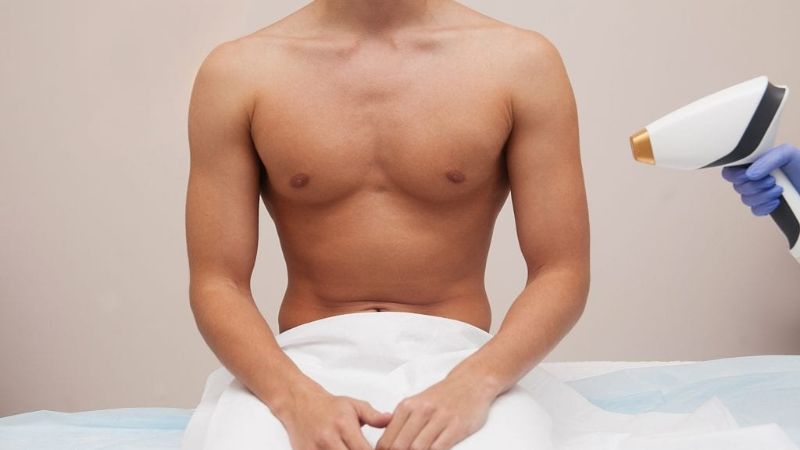

An Alexandrite laser device is an advanced laser technology commonly used in aesthetic and dermatology-related applications. It produces laser light at a wavelength of 755 nanometers, which targets melanin pigment and may help support long-term hair reduction. Alexandrite lasers may work particularly well for individuals with lighter skin tones and are often used on darker hair.
Because of its fast pulse rate, it can be applied to larger areas in a shorter time. The device targets the hair follicle and aims to achieve long-term reduction. Another potential advantage is that it may affect the epidermis less, which can help reduce the risk of irritation.
Alexandrite laser devices are among the methods frequently preferred by dermatology and aesthetic professionals. When applied to suitable candidates and with proper settings, they may help provide safe and effective outcomes. A reduction in hair growth and a smoother-looking skin texture are typically the goals.
Applications Performed With an Alexandrite Laser Hair Removal Device
Treatments performed with an Alexandrite laser hair removal device are generally intended to support long-term reduction of unwanted hair. It can be used on areas such as the face, legs, underarms, and bikini line. Session duration and number of sessions can vary depending on individual factors.
Before treatment, skin type and hair color are evaluated and a personalized plan is created. The device targets melanin pigment and affects the hair follicle, aiming to reduce regrowth. A mild burning or stinging sensation may be felt, but it is often tolerable.
Many people may observe a noticeable reduction over time, though multiple sessions are usually needed for longer-lasting results. Session intervals and frequency are determined by a professional based on skin and hair characteristics.
Advantages of Laser Hair Removal
Laser hair removal offers several advantages compared to traditional methods. First, it may provide long-term hair reduction, which can support a smoother-looking skin appearance over time. While traditional methods remove hair temporarily, laser hair removal targets follicles and may help reduce hair density.
Another advantage is time savings. Shaving or waxing often requires frequent repetition, whereas laser hair removal sessions may be spaced farther apart. Treatments are typically fast, and larger areas can often be treated in a relatively short time.
In terms of discomfort, many people find laser hair removal more comfortable. When applied properly, Alexandrite devices may help protect the skin surface, and temporary effects such as irritation or redness may be more limited.
Clinics in Ankara Offering Alexandrite Laser Services
Ankara offers many options for laser hair removal services. There are numerous clinics providing services with an Alexandrite laser device. These clinics aim to deliver quality service with professional teams and modern equipment.
When choosing a clinic, it is important to ensure it is operated by licensed and experienced professionals. Many clinics offer personalized treatment plans to support effective outcomes.
Many clinics also offer free consultations to help clients understand the process and make informed decisions.
Laser Types: Alexandrite vs Diode vs Nd:YAG
Laser hair removal is performed using different technologies. The most common types include Alexandrite, Diode, and Nd:YAG lasers. Each type may offer different advantages depending on skin tone and hair characteristics.
Alexandrite Laser: May be suitable for lighter skin with darker hair and can be applied quickly to large areas.
Diode Laser: Can be used across a broader range of skin types, including darker skin tones.
Nd:YAG Laser: Often preferred for darker skin tones and can target deeper follicles.
The choice of laser should be determined based on individual skin type and hair structure.
Information on Session Duration and Intervals
Session duration and intervals are important for planning. Duration can vary by area—for example, legs may take longer while facial areas can be completed faster.
Intervals are commonly set between 4 and 6 weeks, based on the hair growth cycle. Each session targets follicles in different growth phases, which may support better results.
The number of sessions varies. While 6 to 8 sessions may be suggested, more sessions may be needed depending on individual factors.
Ankara Life Polikliniği: Why Choose It?
Ankara Life Polikliniği is a well-known healthcare provider in Ankara for laser hair removal services. Our clinic aims to provide professional and reliable care using an Alexandrite laser device. With an experienced team and modern technology, client satisfaction is prioritized.
Treatments are performed by dermatology and aesthetic professionals. Personalized treatment plans are created to support effective outcomes.
Hygiene and safety are key priorities. Equipment is disinfected regularly and used according to sterilization standards. Detailed consultation is provided before treatment to answer questions.
Key Points to Consider During Laser Hair Removal Treatments
There are several important points to consider. Before treatment, avoiding chemical peels or tanning products is commonly recommended. Keeping the skin close to its natural tone may help support treatment effectiveness.
After treatment, mild redness or sensitivity may occur, but it typically subsides quickly. Moisturizing and sun protection can help support recovery. Sun exposure may increase the risk of pigmentation changes in some individuals, so sunscreen is important.
Following professional guidance before and after sessions may help improve overall outcomes.
Frequently Asked Questions About the Alexandrite Laser Device
Which skin types is the Alexandrite laser suitable for?
It may provide more noticeable results for lighter skin tones with darker hair.
Is the treatment painful?
A mild burning or stinging sensation may be felt, but it is often tolerable.
Is laser hair removal permanent?
Laser hair removal aims for long-term hair reduction. However, new hair growth may occur due to hormonal changes in some individuals.
How many sessions are needed?
While 6 to 8 sessions may be suggested, more sessions may be needed depending on individual factors.
What are the side effects?
Temporary effects such as redness, mild swelling, or sensitivity may occur.
 Call
Call
 Whatsapp