


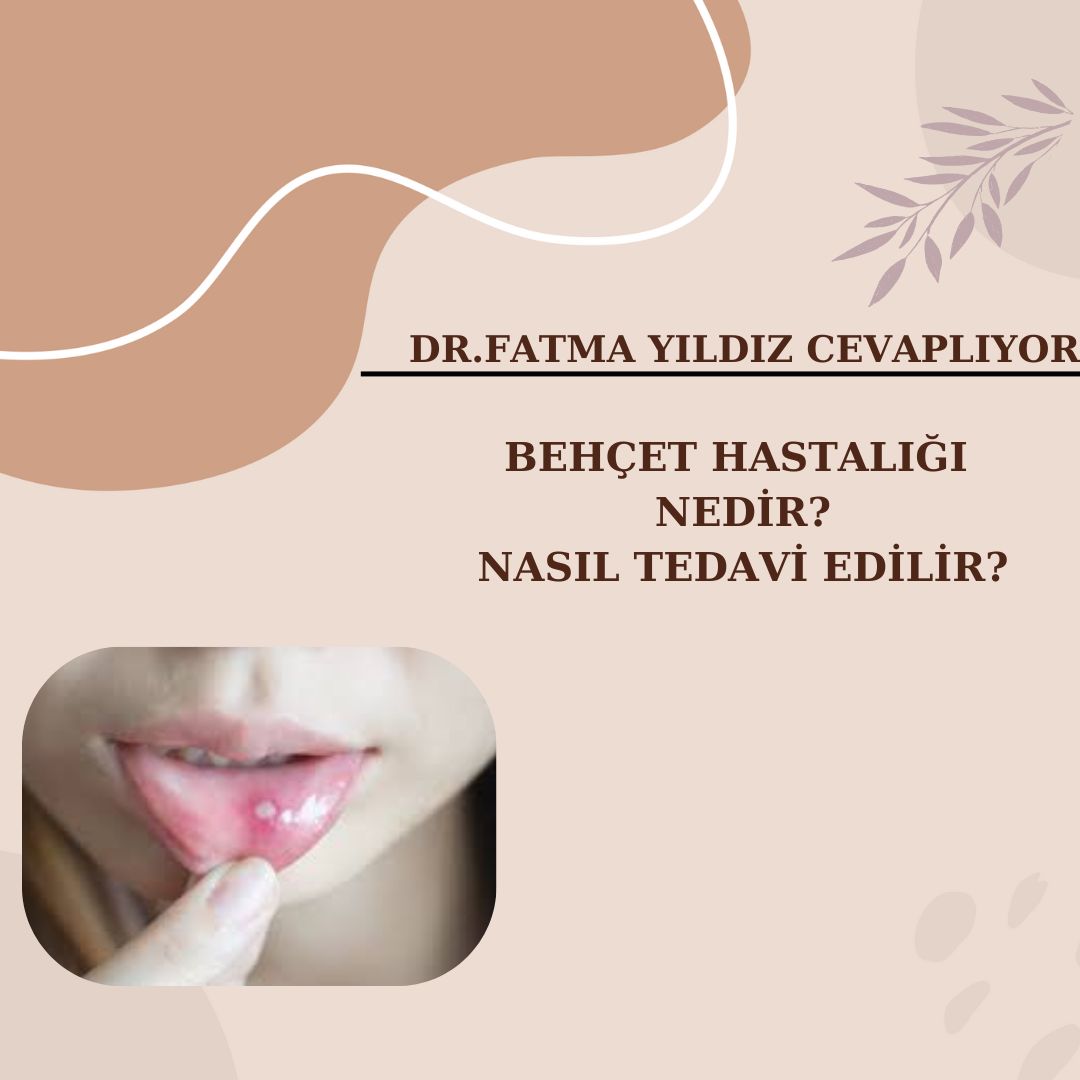

What is Behçet's Disease?
Behçet's disease is a chronic disease that occurs as a result of the body's own immune system malfunctioning and affects many organs. It mostly manifests itself with mouth sores, eye problems and skin lesions. It is named after Turkish dermatologist Prof. Dr. Hulusi Behçet, who first described the disease.
Behçet's disease is a vascular inflammation (vasculitis) that develops as a result of the immune system overreacting. It can cause inflammation in small and large vessels and cause symptoms in different parts of the body. Although the exact cause is not known, genetic predisposition and environmental factors play a role in the development of the disease.
This disease is most common in the Middle East and Mediterranean regions, and Turkey is one of the countries where Behçet's disease is most common worldwide.
Symptoms of Behçet's Disease
Behçet's disease can affect many different systems in the body. The most common symptoms are:
1. Mouth Sores (Aphthous Ulcers)
It is seen in almost all patients.
It starts as small, white or yellow painful sores.
It heals on its own within 1-2 weeks but tends to recur.
2. Eye Problems
Uveitis, which manifests itself with redness, pain and blurred vision in the eye, is one of the important symptoms of the disease.
If left untreated, it can lead to serious vision loss.
3. Skin Lesions
Acne-like rashes and painful, red swellings in the legs can be seen.
4. Joint Pain
There may be pain and swelling in joints such as the knee, ankle and elbow.
5. Nervous System Involvement
Serious symptoms such as headache, imbalance and sometimes paralysis can be seen.
6. Digestive System Problems
It can affect the intestines with symptoms such as abdominal pain, diarrhea and bloody stools.
7. Vascular Problems
It can cause inflammation in the blood vessels and lead to clot formation.
How is Behçet's Disease Diagnosed?
There is no definitive test for this disease. However, doctors make a diagnosis based on the patient's symptoms and clinical examinations. Blood tests, eye examinations and skin tests can be performed to support the diagnosis.
Treatment Methods
There is no treatment that completely eliminates Behçet's disease yet. However, various medications are used to control the symptoms of the disease and prevent complications:
Corticosteroids: Relieve symptoms by reducing inflammation.
Immunosuppressive Drugs: Prevent the immune system from working too much.
Painkillers and Anti-inflammatory Drugs: Used to relieve joint pain.
Eye Drops and Creams: Applied for eye problems and skin lesions.
A treatment plan is determined individually according to the severity of the disease.
Life with Behçet's Disease
Regular doctor check-ups are important. The disease can flare up and calm down from time to time.
Eating healthy and avoiding stress can help control the disease.
Staying away from smoking and alcohol supports the immune system.
Doing light exercises can protect joint health.
Conclusion
Behçet's disease is a disease that can be controlled with early diagnosis and correct treatment. If you have any of the above symptoms, it is important to consult a doctor. Remember, the earlier you recognize the disease, the better you can manage it!
 Call
Call
 Whatsapp