


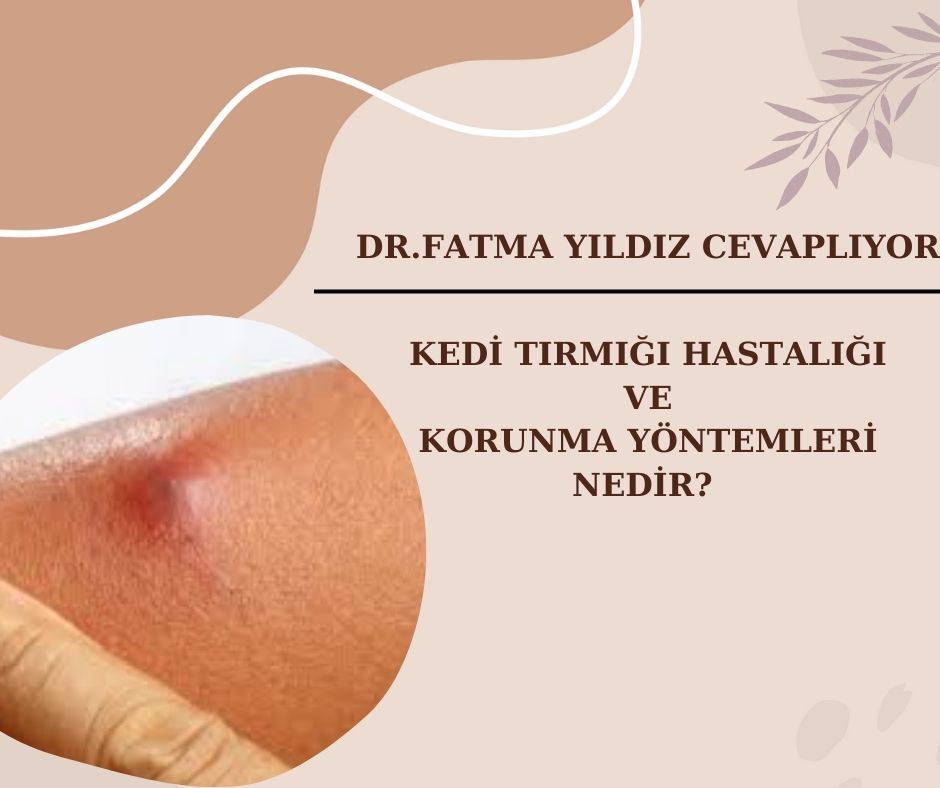

What is Cat Scratch Disease and Protection Methods?
Cat scratch disease is a generally mild infection caused by a bacterium called Bartonella henselae. It is mostly transmitted through cats scratching or biting. Cats may not show any symptoms of the disease, but they can carry this bacteria through infected fleas. The disease can be more serious, especially in individuals with weak immune systems.
Ways of Transmission of Cat Scratch Disease
Cat scratch disease can be transmitted to humans in the following ways:
Cat scratching or biting: It is possible for the bacteria to be transmitted from a wound opened by an infected cat's tooth or nail.
Indirect transmission through fleas: Infected fleas found on cats can transmit the disease to cats and humans.
Contact with open wounds: Infection can be transmitted as a result of touching an area where the cat has saliva or scratched.
Symptoms of Cat Scratch Disease
Symptoms of the disease usually appear within 3-10 days and can last for several weeks. The most common symptoms are:
Redness, swelling or sores at the scratch or bite site
Swollen lymph nodes (especially in the armpit, neck or groin area)
Low fever, weakness and headache
Muscle and joint pain
More serious infections and organ involvement in individuals with weak immune systems
The disease usually resolves on its own in healthy individuals, but in some cases it can be more severe.
Who is at Greater Risk?
While cat scratch disease is mild in most people, it can lead to more serious infections in some people:
People with weak immune systems (HIV/AIDS patients, those undergoing cancer treatment, those who have had an organ transplant)
Children and the elderly
People with diabetes or chronic diseases
In individuals with suppressed immune systems, the disease can lead to serious complications such as liver and spleen involvement.
Cat Scratch Disease Prevention Methods
The precautions that can be taken to protect against this disease are as follows:
Be sure to wash your hands after contact with cats.
In case of scratching or biting, immediately clean the area with soap and water, then disinfect with antiseptic.
Have your cat checked for fleas regularly. (Fleas are an important factor in the spread of the disease.)
Avoid rough games that may encourage cats to scratch or bite.
Individuals with weak immune systems should be more careful about contact with cats.
Treatment Methods
In most cases, cat scratch disease does not require treatment and heals on its own within a few weeks. However, the following treatments may be applied in more severe cases:
Supportive treatment for pain and fever (medications such as paracetamol or ibuprofen)
Antibiotic treatment for swelling and inflammation in the lymph nodes (for example, drugs such as azithromycin, doxycycline or rifampin)
Longer antibiotic treatment may be required in individuals with weak immune systems.
Although the disease is usually mild, it is important to see a doctor if the symptoms persist for a long time or become severe.
Conclusion
Cat scratch disease is mild in most people and can heal on its own. However, it can cause more serious problems in individuals with weak immune systems. Establishing hygienic contact with cats, avoiding scratching and bites, and ensuring flea control are the most important steps in protecting against the disease. If long-term lymph node swelling, fever, or general deterioration in health is noticed, consulting a doctor should not be neglected.
I am Dermatologist Doctor Fatma Yıldız
We Welcome You to Our Clinic, I Wish You Healthy Days
 Call
Call
 Whatsapp