


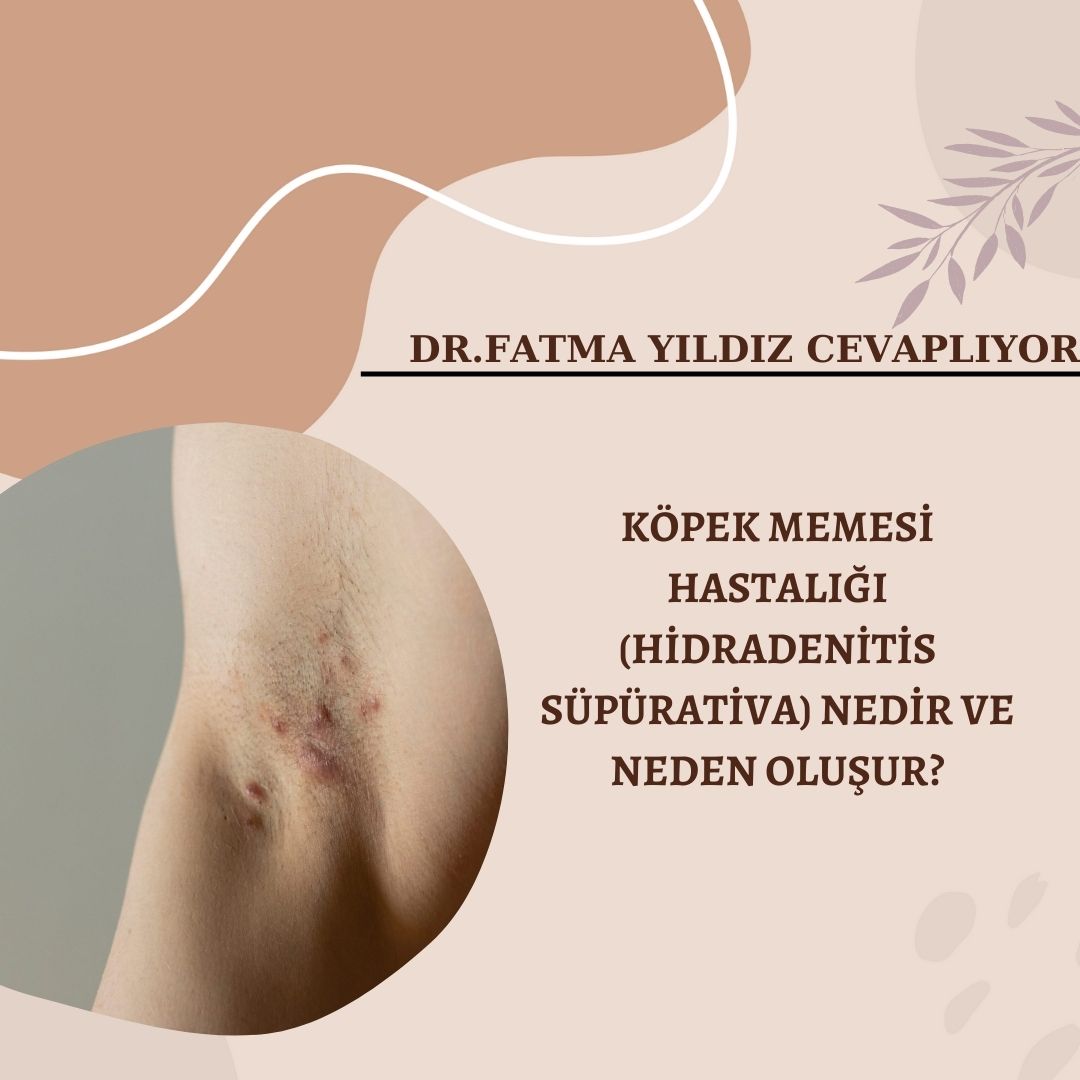

WHAT IS DOG LAB DISEASE (HIDRADENITIS SUPPURATIVA) AND WHY DOES IT OCCUR?
Hidradenitis suppurativa is a chronic skin disease that manifests itself with inflamed swellings and abscesses under the skin. It usually occurs in areas where sweat glands are dense, such as the armpits, groin and under the breast. Over time, these inflamed swellings may heal and leave scars, hardening may occur under the skin and may become a serious source of discomfort for patients.
CAUSES OF THE DISEASE
Although the exact cause of canine breast disease is not fully known, it is thought to occur as a result of many factors coming together.
GENETIC FACTORS
It is known that this disease is associated with a familial predisposition. Some genetic mutations can cause the immune system to function incorrectly. Certain genetic changes have been detected in some HS patients and the risk of occurrence is higher in people with this disease in their family.
LIFE STYLE AND METABOLISM
Lifestyle plays a major role in the development of canine breast disease. Obesity, smoking and irregular diet can increase the severity of the disease. Excessive weight can trigger inflammation by causing friction in skin folds. Smoking can contribute to the progression of the disease by altering the immune system's reactions.
THE EFFECT OF HORMONES
Canine breast disease usually occurs during puberty, and attacks may be seen in some female patients in relation to the menstrual cycle. This suggests that hormones play an important role in the development of the disease. Hormonal changes such as pregnancy and birth control pills can affect the course of the disease.
IMMUNE SYSTEM AND INFLAMMATION
Canine breast disease is associated with an overreaction of the immune system. Normally, the immune system creates inflammation to control microbes and infections. However, in patients with Canine breast, this inflammation is excessive and constant inflammation occurs under the skin. Some cells of the immune system attack the sweat glands under the skin, causing the formation of inflamed abscesses.
MICROBE AND SKIN FLORA
Some bacteria naturally found on our skin are kept under control by the immune system. However, in patients with canine breast disease, this balance is disrupted due to inflammation in the skin and clogged hair follicles, and some bacteria can overgrow and cause the disease to worsen.
SYMPTOMS OF THE DISEASE
The symptoms of canine breast disease may vary from patient to patient, but the most common symptoms are:
Painful swellings and abscesses under the skin
Recurrent inflamed lesions
Hardening and permanent scars under the skin
Foul-smelling discharges in areas such as the armpit, groin and under the chest
Lesions that merge over time to form sinus tracts (subcutaneous tunnels)
TREATMENT METHODS
Although there is no definitive treatment that completely eliminates canine breast disease, various methods can be applied to relieve symptoms and stop the progression of the disease.
LIFE STYLE CHANGES
Weight control, healthy diet and quitting smoking are recommended to reduce the severity of the disease. Wearing cotton clothes can reduce friction and irritation by allowing the skin to breathe.
DRUG TREATMENT
Doctors usually prescribe antibiotics or immunomodulatory drugs to control inflammation. In severe cases, biological drugs can be used to regulate the immune system to block certain proteins.
SURGICAL TREATMENT
In advanced cases, surgical intervention may be required for recurrent abscesses and blocked hair follicles. In some cases, surgical removal of the diseased area and skin reconstruction may be the most effective solution.
Canine mammary disease is a disease that can have negative effects on patients both physically and psychologically. With early diagnosis and appropriate treatment, the severity of the disease can be controlled and quality of life can be improved.
 Call
Call
 Whatsapp