


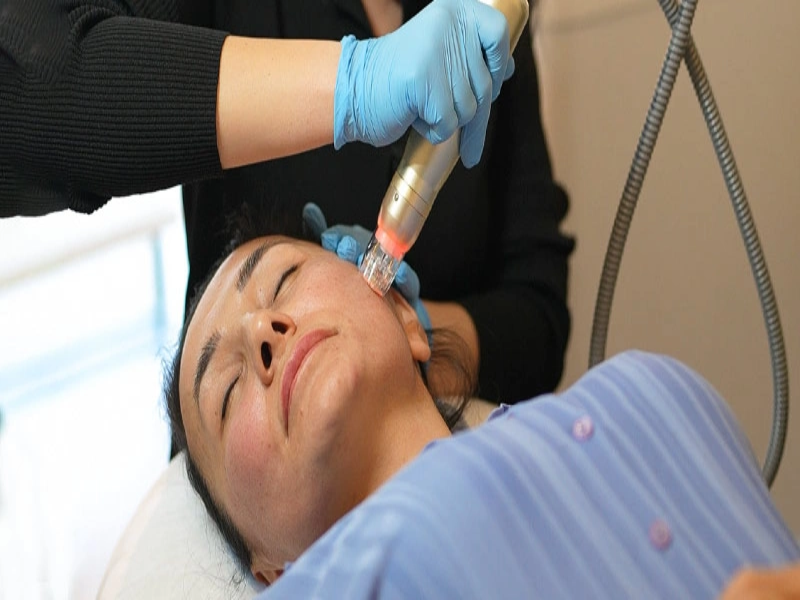

Skin pigmentation is a common concern experienced by many people. These spots may develop for various reasons, including hormonal changes, sun exposure and ageing. The factors evaluated during the first consultation play an important role in planning a suitable skin pigmentation treatment process.
What Is Skin Pigmentation Treatment?
Skin pigmentation treatment includes a range of procedures intended to reduce the appearance of colour changes or spots on the skin. It may help balance the skin tone and support a healthier-looking complexion. Skin pigmentation treatment may involve different techniques.
Treatment options vary according to the type of pigmentation, skin sensitivity and individual needs. Topical creams, chemical peels and laser treatments are among the methods that may be considered. The condition of the skin should be examined carefully during the first consultation to prepare an appropriate treatment plan.
What Is Evaluated During the First Consultation for Skin Pigmentation Treatment?
The question what is evaluated during the first consultation for skin pigmentation treatment is important when creating an individual treatment plan. The following factors are generally assessed:
-
Skin Type: Every skin type is different, and this may directly affect the available treatment options. Oily, dry, combination and sensitive skin may respond differently to pigmentation treatments.
-
Type and Intensity of Pigmentation: The size, colour and intensity of the spots are considered when selecting a method. Sunspots, age spots and melasma may require different approaches.
-
Medical History: Previous skin conditions, current medication and allergic reactions may affect the treatment plan. Medical history should therefore be reviewed carefully.
These assessments are important for creating a plan suited to the person’s needs. The first consultation may also help establish clear communication between the person and the practitioner.
Types and Causes of Skin Pigmentation
Skin pigmentation may occur for different reasons, and each type may require a different approach. Common types and causes include:
-
Sunspots: These may develop after intense or prolonged sun exposure. Ultraviolet radiation may increase melanin production and contribute to pigmentation.
-
Melasma: This may be associated with hormonal changes and can occur particularly during pregnancy. It is often seen as dark patches on the face.
-
Age Spots: These are dark spots associated with ageing and long-term sun exposure. They are commonly seen on the hands, face and neck.
Each type of pigmentation may require a different approach, making accurate assessment important. Pigmentation Treatments include methods that may be planned according to the characteristics of different spots.
Pigmentation Treatments: Which Methods Are Used?
Various methods may be used to treat skin pigmentation. Commonly considered options include:
-
Topical Creams: Products containing ingredients such as hydroquinone, retinoids or vitamin C may help balance the skin tone when used under professional guidance.
-
Chemical Peeling: This creates controlled exfoliation of the upper skin layer and supports the skin’s renewal process. It may be considered for certain mild or moderate pigmentation concerns.
-
Laser Treatments: Laser light may target dark pigment in the skin and help reduce the appearance of spots. These applications may also be planned at Ankara Lazer following an individual assessment.
Each method may produce different responses across different skin types and pigmentation concerns. The suitable method should therefore be determined after a detailed assessment.
Skin Pigmentation Treatments: Suitable Methods
The most appropriate Skin Pigmentation Treatments vary according to the person’s skin structure and the type of pigmentation. Methods that may be considered include:
-
Laser Therapies: Laser treatments may directly target differences in skin pigment. They may be preferred for certain dark-coloured spots.
-
Microdermabrasion: This method gently abrades the upper layer of the skin and may help reduce the appearance of superficial pigmentation.
-
IPL Therapy: Intense pulsed light targets differences in skin colour and may be considered for sunspots and age spots.
These methods are generally performed following professional assessment and each offers different advantages and limitations. The appropriate treatment should be selected according to skin analysis and individual expectations.
Skin Pigmentation Treatment With Ankara Lazer
Laser treatment in Ankara is one of the methods preferred for reducing the appearance of skin pigmentation. At Ankara Lazer, the treatment plan may be prepared according to the person’s skin type and the characteristics of the pigmentation.
Laser treatment may target dark pigment, help lighten the appearance of spots and support a more balanced skin tone. Treatment duration and possible results vary according to the type of pigmentation and skin structure.
People considering laser treatment in Ankara should first obtain detailed information. Being informed about precautions before and after treatment may help the process progress in a more controlled manner.
Points to Consider During Skin Pigmentation Treatment
Several important points should be considered during and after skin pigmentation treatment. These steps may help the process progress more consistently and support skin health.
-
Sun Protection: Protecting the skin from sunlight is an important part of the process. Sunscreen may help reduce the risk of new spots developing and existing spots becoming darker.
-
Regular Follow-Up: Regular assessments are important for evaluating the skin’s response and making necessary adjustments.
-
Skin Care: Suitable moisturising and soothing skincare products may help support the skin barrier during treatment.
These recommendations may support the treatment process and help reduce possible side effects. Skin-care steps appropriate for the person’s skin structure should be followed carefully.
Aftercare Following Pigmentation Treatment
Aftercare may support the skin’s recovery and help preserve the appearance achieved through treatment. Important aftercare steps include:
-
Moisturising: The skin may become sensitive after treatment. A suitable moisturiser may help support the skin barrier and reduce dryness.
-
Sun Protection: The skin may become more sensitive to sunlight following procedures such as laser treatment or chemical peeling. Suitable sun-protection products should be used.
-
Skin Cleansing: Gentle cleansers may help keep the skin clean while reducing irritation and supporting recovery.
These aftercare steps may help support a healthy skin appearance and preserve the treatment response for longer.
 Call
Call
 Whatsapp