


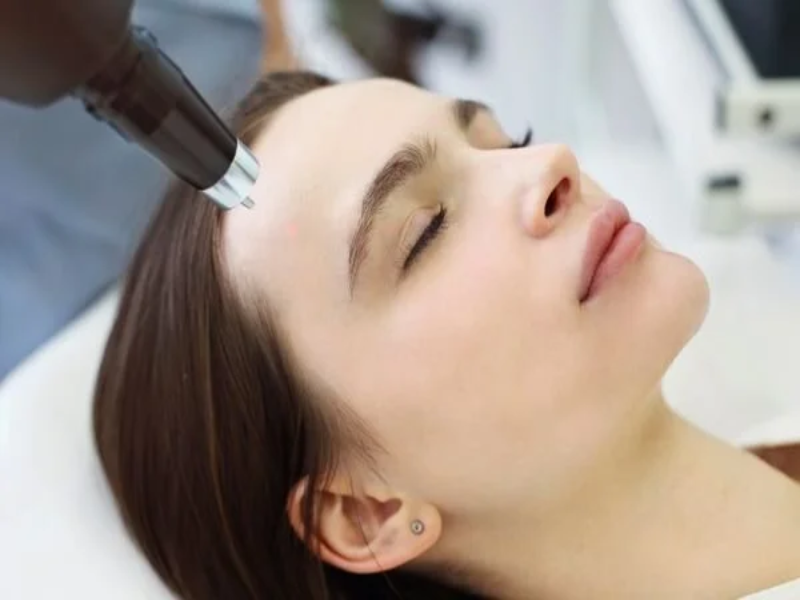

Thulium Laser Pigmentation Treatment is one of the laser methods that may be considered to reduce visible differences in skin pigmentation. It may be planned according to individual skin structure for certain sunspots, age-related spots and pigmentation associated with hormonal changes. Thulium laser technology aims to reduce visible pigmentation by creating a controlled effect in specific layers of the skin. It is therefore one of the options that may be considered among Pigmentation Treatments.
This treatment is a laser procedure that does not require a surgical incision. Recovery time varies according to treatment intensity and individual skin structure. Thulium Laser Pigmentation Treatment may help the skin tone appear more balanced and the skin surface more renewed. However, the possibility of unwanted effects such as redness, sensitivity, crusting, colour changes, burns or scarring is not completely eliminated.
Different centres in Ankara offer this treatment. The device, energy settings and session plan used during Ankara Lazer procedures should be selected according to individual characteristics. The first examination is important for assessing suitability and understanding the person’s expectations.
What Should Be Evaluated During the First Examination?
The first examination is an important stage in preparing a Thulium Laser Pigmentation Treatment plan. The person’s general skin condition and the extent of the pigmentation concern are assessed. This examination helps determine the method and settings according to individual characteristics.
The person’s expectations and concerns about treatment are also discussed. Information should be provided about the process, possible limitations, side effects and aftercare. Answering questions may help the person evaluate treatment with more realistic expectations.
The current condition of the skin is examined in detail. This helps determine which areas may be treated and how treatment intensity should be planned. The first examination allows a more controlled and individualised plan to be prepared.
Identifying the Type of Pigmentation
The type and intensity of skin pigmentation are among the factors affecting the Thulium Laser Pigmentation Treatment plan. The characteristics of the pigmentation are assessed in detail during the first examination. This evaluation helps adapt treatment to the individual.
Pigmentation may be associated with sun exposure, ageing, hormonal changes or genetic factors. Each type may respond differently. Pigmentation related to hormonal factors, such as melasma, may require long-term follow-up and may become noticeable again. The response of sunspots also varies according to their characteristics and individual skin structure.
The general condition of the skin and other existing skin concerns should also be considered when determining the type of pigmentation. This comprehensive evaluation contributes to identifying a suitable method and possible risks. Correctly assessing the pigmentation type is important when preparing an individual treatment plan.
Analysis of Skin Type
Every person has a different skin structure, and this plays an important role in planning Thulium Laser Pigmentation Treatment. Natural skin tone, sensitivity, moisture balance and other skin characteristics are evaluated during the first examination.
Skin analysis helps assess the possible effects and risks of laser treatment. The energy level is not selected only according to whether the skin is described as sensitive or resistant. Skin tone, pigmentation type, treatment area and the response to previous procedures should be considered together. Selecting settings suitable for the individual may help reduce the risk of unwanted effects.
Skin-type analysis is also important when preparing aftercare recommendations. Cleansing, moisturising and sun-protection advice appropriate for the skin may help support recovery. However, aftercare does not guarantee completely permanent results.
Reviewing the Patient’s Medical History
Medical history is an important factor when evaluating suitability for Thulium Laser Pigmentation Treatment. Previous skin treatments, allergic reactions and current health status are discussed during the first examination. This information helps prepare a more controlled treatment plan.
Previous scarring or burns may affect treatment planning. These past concerns should therefore be disclosed. Current medication and supplements should also be evaluated because some may affect the decision to proceed or the skin’s response afterwards.
Detailed review of medical history allows treatment to be planned individually. It does not eliminate every possible complication but may help identify risks in advance and allow suitable precautions to be taken.
Evaluation of the Skin Before Treatment
The condition of the skin before treatment plays an important role in planning Thulium Laser Pigmentation Treatment. Moisture level, sensitivity and existing skin concerns are assessed during the first examination.
The current skin condition may affect post-treatment sensitivity and care requirements. Dry skin or disrupted moisture balance may require different aftercare. This assessment helps prepare a procedure and skincare plan suitable for the individual.
Existing concerns such as acne, rosacea or dermatitis should also be considered. They may affect treatment timing, intensity or suitability. Treatment may need to be postponed or the plan adjusted according to the condition of the skin.
Advantages of Thulium Laser Pigmentation Treatment
Thulium Laser Pigmentation Treatment may be planned as a targeted procedure to reduce the appearance of certain pigment concerns. With suitable patient selection and individual device settings, it may help the skin tone appear more balanced. The time required to notice changes and their extent vary between individuals.
The treatment does not require a surgical incision. Recovery varies according to treatment intensity and individual skin characteristics. Some people may return to daily activities quickly, while redness, sensitivity or crusting may continue for longer in others. Risks such as burns or permanent scarring should not be considered completely absent.
Thulium Laser Pigmentation Treatment may be planned according to individual skin and pigmentation characteristics. Assessments performed during the first examination help determine suitable device settings and aftercare. Possible results and side effects are not the same for every person.
 Call
Call
 Whatsapp