


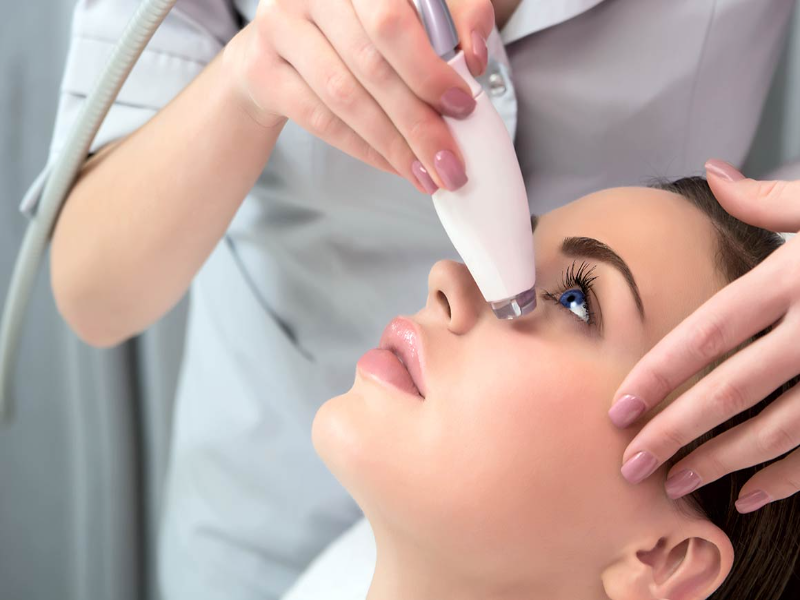

Fractional RF treatment uses microneedles to deliver radiofrequency energy into selected skin depths. It may be considered for skin-remodeling indications such as selected acne scars, fine lines, texture irregularities, or mild laxity.
The procedure deliberately creates controlled micro-injury and thermal effects. It therefore does affect the skin surface and deeper tissue rather than working without any skin injury.
It is not automatically suitable for every skin type or every sensitive skin condition. Initial assessment is important for determining whether treatment is appropriate.
Potential Benefits of Fractional RF Treatment
Fractional RF may support collagen remodeling and improve selected textural concerns over time.
It is minimally invasive compared with surgery but can still cause redness, swelling, pain, pigment changes, infection, or other complications.
The treatment can be used on different anatomical areas depending on the device and indication, but it should not be considered a universal whole-body skin-renewal solution.
Importance of the Initial Assessment
The initial assessment helps determine treatment suitability, identify relevant risks, and establish realistic goals.
Without appropriate evaluation, a treatment may be poorly matched to the individual's skin condition or medical history.
The assessment also provides an opportunity to explain possible benefits, limitations, recovery, and alternatives. It does not guarantee treatment success.
What Is Usually Reviewed During the Initial Assessment?
Skin phototype, the specific concern, anatomical area, active inflammation, scars, previous treatments, and individual sensitivity may be evaluated.
Medical history, medications, allergies, previous procedures, tendency toward abnormal scarring, implanted devices, and other relevant factors may also affect suitability.
Expectations should be discussed so that the treatment goal is realistic and appropriate for the condition.
Details of the Consultation
The professional may assess skin texture, scar characteristics, phototype, and treatment area before determining possible RF depths and settings.
Energy is not selected simply according to whether the skin is oily or dry. Device parameters depend on tissue target, treatment depth, anatomical area, skin response, and the manufacturer's protocol.
Post-treatment care and expected recovery should also be explained beforehand.
Assessment of Skin Type
Skin phototype and tendency toward pigmentation are important because inflammatory procedures can affect pigmentation risk.
Oil level, dryness, and barrier condition can influence comfort and aftercare but do not independently determine the amount of RF energy that should be used.
Skin-type assessment is therefore one part of a broader clinical evaluation.
Review of Medical History
Medical history is important for identifying possible contraindications or precautions.
Previous skin procedures, medications, allergies, active infections, healing problems, and relevant medical devices or conditions may need to be reviewed.
This assessment reduces avoidable risk but cannot completely eliminate complications.
Establishing Expectations
The individual should understand what the procedure can and cannot reasonably achieve.
Treatment generally aims to improve selected texture or scar characteristics rather than restore perfect skin.
Realistic expectations can support informed decision-making, but they do not guarantee satisfaction or a specific result.
 Call
Call
 Whatsapp