


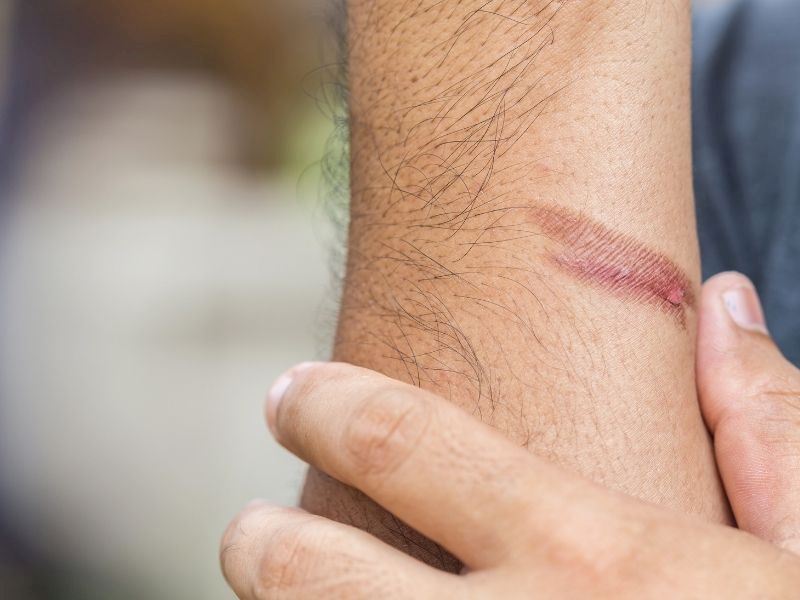

Laser scar treatment in Kızılay is a modern approach used to reduce the visibility of scars and improve uneven skin texture. Developments in laser technology have expanded the range of procedures available for different scar characteristics. Ankara Laser treatments should be planned individually according to the person’s skin type, scar structure and treatment expectations.
Different laser technologies act at different depths and through different mechanisms. Some target redness or pigmentation, while others create controlled treatment zones that stimulate collagen remodelling. The procedure may improve the appearance of selected scars, but it is not completely risk-free and cannot guarantee that a scar will disappear.
Laser treatment may be considered for acne scars, surgical scars and selected traumatic scars. Since every individual has a different skin structure and scar type, the treatment plan should be personalised. Different devices or combined methods may be required according to the depth, colour, texture and behaviour of the scar.
Improvement in visible scars may also have a positive effect on self-confidence. However, selecting an appropriate treatment method and establishing realistic expectations are essential.
The Importance of the Initial Consultation
The initial consultation is one of the most important stages of laser scar treatment in Kızılay. It allows the specialist to examine the skin and scar in detail before deciding whether laser treatment is suitable.
During this assessment, the specialist evaluates the person’s skin tone, sensitivity and tendency to develop pigmentation. The scar’s depth, colour, texture, age and location are also examined.
The individual’s expectations should be discussed clearly. The specialist should explain the possible level of improvement, the estimated recovery period, the potential need for several sessions and the limitations of the procedure.
Possible risks and temporary reactions should also be reviewed. Depending on the laser type, redness, swelling, sensitivity, dryness, crusting or temporary pigmentation changes may occur.
Medical history is another essential part of the consultation. Current health conditions, medications, allergies, previous procedures and healing problems should be disclosed so that the treatment can be planned more safely.
Factors Evaluated During the Initial Consultation
Several factors are assessed before preparing a treatment plan.
Skin Type and Tone
Skin tone influences the selection of the laser technology and device settings. Individuals with darker skin tones may have a greater risk of post-inflammatory pigmentation after certain laser procedures.
The assessment is not limited to whether the skin is dry, oily or combination. Sensitivity, active irritation, sun exposure and tanning history are also important.
Scar Type and Depth
The specialist determines whether the scar is depressed, raised, widened, pigmented, red or attached to deeper tissue.
Superficial scars may respond to less intensive treatments, while deeper scars may require fractional laser, microneedling, subcision, injectable procedures or combined treatment.
Age and Location of the Scar
New scars may still be undergoing natural maturation. Their colour, thickness and firmness can continue changing for several months.
The location of the scar also affects treatment planning. Areas with thinner skin, limited circulation or greater movement may require a more cautious approach.
General Health and Medical History
The specialist should ask about:
-
Current medications
-
Previous laser or scar treatments
-
Allergies
-
Pregnancy or breastfeeding
-
Diabetes
-
Bleeding or clotting disorders
-
Immune system conditions
-
Active infections
-
A history of keloid formation
-
Medicines that affect wound healing or increase sensitivity to light
These factors may change the treatment plan or require the procedure to be postponed.
Types and Characteristics of Scars
Scars may be classified according to their structure and healing pattern.
Atrophic Scars
Atrophic scars develop because of collagen loss and appear as depressions in the skin. They are frequently associated with acne but may also develop after chickenpox or trauma.
Different forms of atrophic acne scars may respond differently to treatment. Laser treatment may be appropriate for selected scars, while subcision, microneedling or fillers may be more suitable for others.
Hypertrophic Scars
Hypertrophic scars are raised and generally remain within the boundaries of the original wound. They commonly develop after surgery, burns or injuries.
Laser treatment may help reduce redness or improve texture in selected cases. However, silicone products, corticosteroid injections or other methods may also be required.
Keloid Scars
Keloid scars extend beyond the boundaries of the original wound. They are associated with an excessive healing response and may be influenced by genetic predisposition.
Laser treatment is generally not used as the only method for keloids. It may be combined with injections, silicone therapy, pressure treatment or surgical approaches. Keloids can recur, so the treatment plan must be prepared carefully.
The Laser Treatment Process
The treatment process varies according to the type of scar and the selected laser technology.
First, the device and treatment settings are chosen according to the person’s skin tone, scar characteristics and risk factors. Protective equipment is used during the procedure.
Laser energy is then delivered to the selected area in a controlled manner. Depending on the device, it may target pigmentation, blood vessels or deeper tissue to stimulate collagen remodelling.
Temporary redness, swelling, warmth or sensitivity may develop after treatment. More intensive fractional or ablative procedures may also cause crusting or peeling.
Scar improvement generally develops gradually. Collagen remodelling may continue for several weeks or months after each session. Several sessions may be required, and sufficient recovery time should be allowed between procedures.
Are Tests Required During the Initial Consultation?
Not every individual requires laboratory or allergy testing before laser scar treatment. The need for testing should be determined according to medical history and the proposed procedure.
Skin Assessment
A clinical skin and scar examination is generally the main part of the initial consultation. The specialist evaluates skin tone, scar depth, pigmentation tendency and the presence of active inflammation or infection.
Photographs may be taken under standardised conditions to monitor progress.
Patch or Test Application
A small test application may be considered for certain devices, darker skin tones or individuals with a history of unusual skin reactions. However, it is not necessary in every case.
Allergy Testing
Routine allergy testing is not generally required for laser energy itself. It may be considered only when a topical anaesthetic, skincare product or another substance used during the procedure is suspected of causing a reaction.
Blood Tests
Routine blood tests are not required for every laser scar treatment. They may be requested when the individual has a bleeding disorder, an underlying medical condition, uses certain medications or is planning a more invasive procedure.
Patient Expectations and Informed Consent
Before treatment, the individual should receive clear information about the expected process.
The specialist should explain that results vary according to skin type, scar structure and healing response. Complete removal of the scar cannot be guaranteed.
The individual should also be informed about:
-
The proposed laser technology
-
Alternative treatment methods
-
The estimated number of sessions
-
The expected recovery period
-
Possible side effects
-
Sun-protection requirements
-
Post-treatment skincare
-
The possibility of limited improvement or recurrence
Mild redness, swelling and sensitivity may occur after treatment. More significant reactions are possible with intensive procedures, so aftercare instructions should be followed carefully.
Post-Treatment Care
Appropriate care after laser scar treatment supports recovery and reduces the risk of complications.
The treated area should be cleansed gently and kept moisturised with products recommended by the specialist. Scrubs, retinoids, exfoliating acids and irritating skincare products may need to be paused temporarily.
Sun protection is critically important. Direct exposure should be limited, and a broad-spectrum sunscreen should be used when the skin can tolerate it.
Crusting, flaking or peeling skin should not be scratched or removed manually. Increasing pain, discharge, severe swelling, blistering or prolonged redness should be reported to the treating specialist.
In conclusion, the initial consultation for laser scar treatment in Kızılay includes assessment of the skin type, scar structure, medical history, expectations and possible risk factors. Tests are only requested when medically necessary. A personalised plan and realistic expectations are essential for a safer and more appropriate treatment process.
 Call
Call
 Whatsapp