


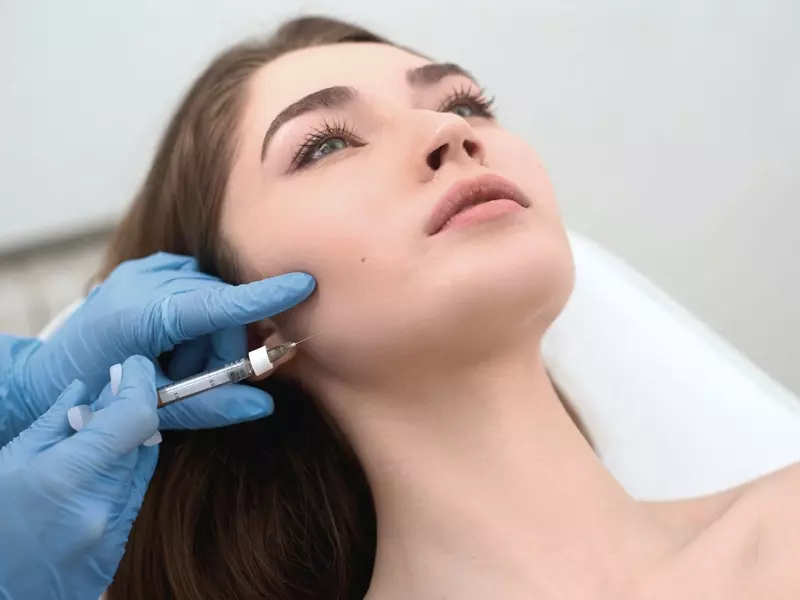

Masseter Botox is a procedure in which botulinum toxin is injected into the masseter muscles to temporarily reduce excessive muscular activity. It may be considered for selected individuals who experience jaw clenching, teeth grinding or prominent masseter muscles.
The procedure may have functional and aesthetic aims. In suitable individuals, reducing excessive masseter activity may help relieve muscle-related jaw discomfort and may gradually soften the appearance of a wide lower face.
However, headaches, jaw pain and tooth wear are not always caused solely by masseter overactivity. Bruxism may be associated with sleep-related factors, stress, medication use, behavioural habits, dental damage or temporomandibular joint disorders. A detailed assessment is therefore required before treatment.
During the procedure, small amounts of botulinum toxin are injected into selected points within the masseter muscles. The treatment temporarily reduces the nerve signals that activate the muscles.
The aim is not to completely disable the masseter muscles. The dose and injection points should be planned carefully to preserve chewing function, facial balance and natural expression.
Why Is the Initial Consultation Important?
The initial consultation is a critical stage of masseter Botox treatment. It allows both the individual and the practitioner to determine whether the procedure is appropriate.
The practitioner should first clarify why the individual is seeking treatment. The main concern may be:
-
Teeth clenching or grinding
-
Jaw-muscle fatigue
-
Muscle-related facial pain
-
Excessive masseter prominence
-
Facial asymmetry
-
A wide or square lower-face appearance
-
A combination of functional and aesthetic concerns
Functional and aesthetic expectations should be evaluated separately. Treatment intended to reduce clenching symptoms may not always create a noticeable change in facial shape. Similarly, reducing muscle prominence does not necessarily eliminate the underlying cause of bruxism.
The consultation also provides an opportunity to explain how the procedure works, when the effect may begin, how long it may last and which side effects may occur.
What Is Evaluated During the Initial Consultation?
Several factors should be assessed before preparing a treatment plan.
Treatment Goals
The practitioner should determine what the individual expects from the procedure.
Realistic expectations are important because masseter Botox cannot guarantee complete elimination of bruxism, permanent facial slimming or total relief from jaw pain.
Masseter Muscle Size and Activity
The masseter muscles are examined at rest and while the individual clenches their teeth.
The practitioner evaluates:
-
Muscle thickness
-
Contraction strength
-
Symmetry between the two sides
-
Tenderness
-
Visible prominence
-
Relationship with the surrounding facial structures
The same dose should not automatically be used on both sides because muscle size and strength may differ.
Facial Structure
A wide lower face is not always caused by enlarged masseter muscles.
Jawbone structure, fat distribution, salivary glands and other soft tissues may also influence facial width. When the appearance is mainly related to bone structure, masseter Botox may produce only limited change.
Bruxism Symptoms
The consultation may include questions about:
-
Daytime clenching
-
Night-time teeth grinding
-
Morning jaw fatigue
-
Tooth sensitivity
-
Tooth wear or fractures
-
Jaw clicking or locking
-
Facial pain
-
Temple headaches
-
Sleep quality
-
Snoring or breathing interruptions
-
Use of a night guard
-
Previous dental treatment
Significant tooth damage or jaw-joint symptoms may require assessment by a dentist or another appropriate healthcare professional.
Medical History
The practitioner should review:
-
Current medications
-
Allergies
-
Previous botulinum toxin applications
-
Previous adverse reactions
-
Neuromuscular conditions
-
Swallowing difficulties
-
Pregnancy or breastfeeding
-
Active infection in the treatment area
-
Bleeding tendency
-
Use of blood-thinning medication
These factors may affect whether the procedure should be performed, modified or postponed.
The Relationship Between Bruxism and Masseter Botox
Bruxism may occur during sleep or while awake. Stress may contribute to awake clenching in some individuals, but it is not the only possible cause.
Sleep bruxism may be associated with sleep patterns, breathing disorders, neurological factors, medication use and other conditions.
Masseter Botox may temporarily reduce the strength of excessive muscle contractions. In selected cases, this may help reduce muscle-related jaw fatigue or discomfort.
However, it does not necessarily eliminate the underlying cause of bruxism. It may need to be combined with:
-
Dental assessment
-
A night guard
-
Physiotherapy
-
Sleep evaluation
-
Behavioural awareness
-
Stress-management strategies
-
Treatment of temporomandibular joint problems
Botulinum toxin should therefore be considered part of an individual treatment plan rather than a permanent or complete cure.
Masseter Botox Applications in Ankara
Masseter Botox is offered by various healthcare providers in Ankara. The procedure should be performed by a legally authorised and appropriately trained medical professional.
Ankara Laser or another treatment provider should carry out an individual assessment before determining the dose and injection points.
Important considerations when selecting a practitioner include:
-
Medical qualifications
-
Knowledge of facial anatomy
-
Experience with botulinum toxin
-
Ability to assess facial asymmetry
-
Understanding of bruxism and jaw-joint disorders
-
Clear explanation of risks
-
Availability of follow-up care
Treatment should not be selected solely according to price, popularity or promotional claims. The product’s traceability, storage conditions, practitioner qualifications and medical safety standards should also be considered.
Potential Advantages and Limitations
Masseter Botox is a minimally invasive procedure that does not require surgery.
Potential benefits in selected individuals may include:
-
Reduced masseter contraction strength
-
Improvement in selected muscle-related symptoms
-
Gradual reduction in excessive muscle prominence
-
Improvement in muscle-related facial asymmetry
-
Limited interruption to daily activities for many individuals
However, the procedure has limitations.
The effect is temporary and gradually decreases. Repeat treatment may be considered, but the timing should be determined according to the individual response.
Possible side effects include:
-
Tenderness
-
Bruising
-
Swelling
-
Temporary chewing fatigue
-
Reduced biting strength
-
Facial asymmetry
-
Changes in smile dynamics
-
Weakness in nearby muscles
-
Uneven aesthetic improvement
Excessive dosing or incorrect injection placement may affect chewing or facial expression. Individualised planning and detailed anatomical knowledge are therefore essential.
How Is Masseter Botox Performed?
The procedure begins with consultation and examination. The practitioner evaluates the muscles, facial structure, symptoms and treatment expectations.
Injection points are then selected according to the borders, thickness and activity of the masseter muscles. The skin is cleaned, and a topical anaesthetic may be used when appropriate.
Small amounts of botulinum toxin are injected into predetermined points.
The injection process itself may be brief, but the overall appointment also includes assessment, preparation and aftercare instructions.
Many individuals can continue light daily activities after treatment. Temporary tenderness, bruising or a feeling of heaviness may occur.
The effect does not begin immediately. Muscle activity may start decreasing within several days and continue changing over the following period.
Aesthetic narrowing of the lower face generally takes longer to become noticeable because changes in muscle volume develop gradually.
Care After Masseter Botox
Post-treatment recommendations may differ according to the practitioner and the individual.
General instructions may include:
-
Avoiding rubbing or massaging the injection sites
-
Avoiding unnecessary pressure on the treated area
-
Temporarily postponing strenuous exercise
-
Avoiding intense heat exposure when advised
-
Following instructions regarding alcohol and medication use
-
Attending the planned follow-up appointment
These precautions do not make the product work faster or guarantee a better result. Their purpose is generally to support a controlled recovery process and reduce avoidable irritation.
Normal facial movements usually do not need to be deliberately restricted unless the practitioner gives a specific instruction.
Frequently Asked Questions
Does Masseter Botox Completely Stop Teeth Clenching?
No. The treatment may reduce the strength of masseter contractions, but it does not necessarily eliminate the causes or frequency of bruxism.
Additional dental, behavioural or sleep-related treatment may be required.
Does the Face Always Become Slimmer?
No. Facial slimming is more likely when the width of the lower face is caused mainly by enlarged masseter muscles.
Limited change may occur when bone structure or other soft tissues are responsible for facial width.
Are Natural Facial Expressions Preserved?
Natural facial expression can generally be maintained when the treatment is planned conservatively and the injections remain within the intended muscles.
However, temporary asymmetry, changes in the smile or weakness in nearby muscles may occur.
When Does the Effect Begin?
The effect develops gradually over several days. The exact timing varies between individuals.
Changes in facial contour usually take longer than changes in muscle contraction.
How Long Does the Effect Last?
The effect is temporary. Its duration depends on the dose, muscle strength, metabolism and individual response.
A fixed duration cannot be guaranteed.
Is the Procedure Painful?
Small injections may cause brief stinging or discomfort. A topical anaesthetic may be used when appropriate.
The procedure cannot be assumed to be completely painless for everyone.
Can Daily Activities Be Resumed Immediately?
Many individuals can continue routine daily activities, but temporary restrictions on strenuous exercise, heat exposure or pressure on the area may be advised.
The recommendations of the treating professional should be followed.
When Should Medical Advice Be Sought?
The practitioner should be contacted if the individual experiences:
-
Significant facial asymmetry
-
Persistent chewing difficulty
-
Marked change in the smile
-
Increasing pain or swelling
-
Difficulty swallowing
-
Breathing problems
-
Widespread muscle weakness
-
Severe allergic symptoms
Breathing or swallowing difficulties require urgent medical attention.
In conclusion, the initial consultation for masseter Botox should include assessment of the treatment goals, masseter muscle activity, facial structure, bruxism symptoms, dental findings and general medical history. Personalised planning helps determine whether the procedure is appropriate and supports safer dosing, more realistic expectations and preservation of normal chewing and facial expression.
 Call
Call
 Whatsapp