


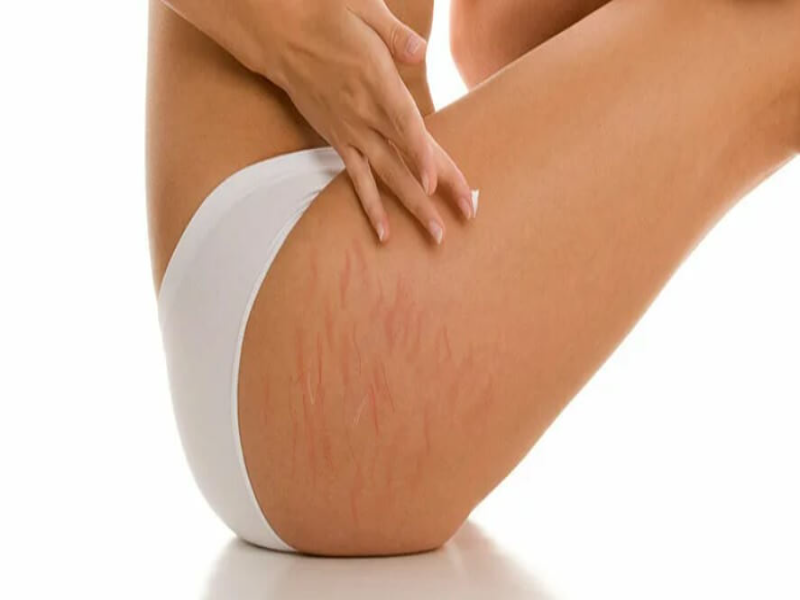

Laser scar treatment is a modern method used to reduce the appearance of scars caused by injuries, surgery, or other forms of skin damage. This treatment works by applying controlled laser beams to the skin surface and the tissues beneath it. Laser treatment increases collagen production in the skin and helps make scars less noticeable.
Laser treatment uses various types of lasers suitable for different skin types and scar types. This allows the treatment to be personalised and tailored to each individual’s specific needs. One of the greatest advantages of laser treatment is that it can reduce scars without requiring surgical intervention, which accelerates the healing process and reduces the risk of infection.
It is important for patients to be careful throughout the treatment process and follow the doctor’s recommendations. Laser treatment may require several sessions, and there is a specific recovery period between each session. At the end of the treatment process, a noticeable improvement in the appearance of scars may be observed.
General Information About Scars and Wound Scars
A scar or wound scar is the result of the skin’s natural healing process following damage. When the skin heals itself after an injury or operation, it forms new tissue and leaves a scar. The appearance of these scars may vary depending on the severity and location of the injury and the person’s skin type.
Wound scars may generally have a different colour from the natural skin tone, which may cause aesthetic concerns. Some scars may be flat and pale, while others may be raised and reddish. Certain types of scars, such as keloid and hypertrophic scars, create a noticeable elevation on the skin surface and may increase the need for treatment.
There are various treatment options for improving the aesthetic appearance of scars. These include creams, injections, and laser treatment. Laser treatment improves the colour and texture of scars and provides a smoother and more even skin appearance.
Advantages of Laser Scar Treatment
Laser scar treatment has many advantages compared with other traditional methods. First, it provides an opportunity to improve skin scars without requiring surgical intervention. This means that patients do not need to be concerned about postoperative complications or long recovery periods.
Another important advantage of laser treatment is that it increases collagen production in the skin and makes scars less noticeable. Collagen improves the skin’s elasticity and texture, allowing scars to gain a smoother and more natural appearance. In addition, laser treatment can generally be applied quickly, and each session is completed within a short period.
This treatment method can be customised for various skin types and scar types. Because every individual has a different skin structure and different needs, it is possible to create a personalised treatment plan. This allows the treatment results to be more effective and satisfactory, enabling patients to achieve their desired results more quickly and safely.
What Should Be Evaluated During the Initial Examination?
The initial examination for laser scar treatment is one of the most critical stages of the treatment process. At this stage, our doctor evaluates the type, size, and location of the scars and uses this information to create an appropriate treatment plan. The initial assessment is a fundamental step for the success of the treatment.
During the examination, the patient’s general health condition and skin type are also considered. This is necessary to prevent possible side effects or complications. Skin sensitivity and previous skin reactions are also evaluated to estimate how the patient may respond to treatment.
Following the examination, detailed information about the treatment process is provided. The points that patients should consider before and after treatment are explained, and expectations regarding the treatment process are clarified. In this way, patients can prepare both physically and psychologically for treatment.
Scar Types and Suitability for Laser Treatment
Before beginning treatment, the type of scar and its suitability for laser treatment are evaluated. Scar types are generally divided into four main categories:
Atrophic Scars: These appear as depressions and fine lines on the skin surface. They generally form after acne or chickenpox.
Hypertrophic Scars: These appear as raised and reddish scars on the skin surface. They generally develop following an injury or surgery.
Keloid Scars: These are characterised by abnormal tissue growth that extends beyond the normal wound-healing process. They create a noticeable elevation on the skin surface and may generally be itchy.
Contracture Scars: These form as a result of deep burns or serious injuries and may cause the skin to tighten.
Each type of scar requires a different laser treatment approach, and the most appropriate treatment method is determined during the examination. The treatment plan is customised according to the depth and colour of the scars and the individual’s skin characteristics.
Laser Scar Treatment Services in Ankara
Laser scar treatment services in Ankara are provided using state-of-the-art devices under the supervision of specialist dermatologists. Many clinics and hospitals in the capital offer services in this field and provide their patients with personalised treatment plans. Before beginning treatment, it is important to consult a specialist doctor, obtain detailed information, and evaluate the most appropriate treatment options.
Clinics in Ankara prioritise patient comfort and safety. Specialist teams guide patients throughout the treatment process and provide the necessary support to help them achieve the best results. Post-treatment care and follow-up are also planned carefully, allowing patients to enjoy long-term results.
If you would like to obtain more information about laser scar treatment in Ankara, you can contact a dermatologist specialising in this field and undergo a detailed assessment. With this modern and effective treatment method offered in Ankara, you can reduce your scars and achieve a smoother and healthier skin appearance.
The Laser Scar Treatment Process
The laser scar treatment process requires detailed planning and careful application. Treatment is generally performed over several sessions, with a specific interval between each session to allow the skin to heal. The duration of treatment may vary depending on the type and extent of the scars.
During the sessions, the laser device is applied to the skin surface to reduce the appearance of scars. Laser energy increases collagen production beneath the skin and renews the skin tissue. This process helps make scars less noticeable and allows the skin to appear firmer and younger.
After each session, the skin’s healing process is carefully monitored, and additional treatment or care recommendations are provided when necessary. During this period, side effects such as mild redness or sensitivity may occur, but these are generally short-term and temporary.
Points to Consider Before and After Treatment
There are several important points to consider before and after treatment. Before treatment, the skin should be clean and free of makeup. It is also important to protect the skin from the sun and avoid tanning before beginning treatment.
After treatment, certain precautions should be taken to support the skin’s healing process. These include using sunscreen, keeping the skin moisturised, and avoiding irritating cosmetic products. It is also important to use skincare products recommended by the doctor and allow the skin sufficient time to rest between sessions.
One of the most important points to consider after treatment is protecting the skin from the sun. The skin may become more sensitive after laser treatment, and sun exposure may cause the scars to become more noticeable. Therefore, using sunscreen and wearing protective clothing when going outside are recommended.
 Call
Call
 Whatsapp