



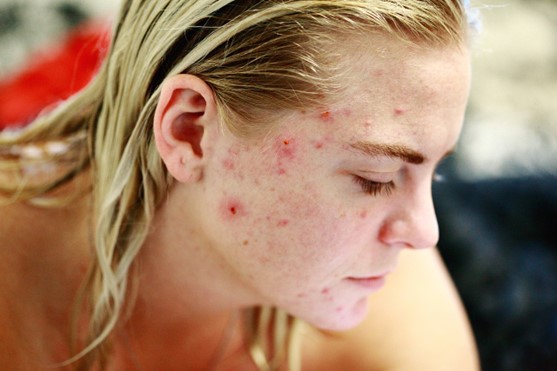
Pimples are inflammatory lesions that occur as a result of blockage of the sebaceous glands in the skin. During adolescence, acne formation becomes most common due to changes in hormones. However, adults can also experience acne problems. Causes of acne include genetic predisposition, stress, hormonal imbalances, wrong skin care and some medications.
The first step to dealing with acne is to properly know your skin type and acne type. If you have extremely oily skin, it is important to cleanse your skin regularly with products such as cleanser and toner. You can also use products with antibacterial ingredients to fight acne-causing bacteria. However, you should avoid products that will overly dry and irritate your skin.
The importance of a skin care routine to treat acne
A skin care routine is one of the most effective strategies for treating and preventing acne. Properly cleansing and moisturizing your skin can help reduce acne breakouts. For this, it is important to clean your skin twice a day, in the morning and in the evening. As a cleanser, you should choose a product that is suitable for your skin. Then, you should balance your skin using toner.
After cleansing your skin, it is also important to use a moisturizer. Especially if you have acne-prone skin, you should make sure that the moisturizer is oil-free and has a light formula. Additionally, using sunscreen is also important for skin health. Sun rays can cause acne scars to become more visible.
Natural solutions for facial acne
Natural solutions can also be effective in treating acne. Some natural ingredients have properties that can help reduce acne. For example, aloe vera gel soothes the skin and reduces inflammation. Additionally, tea tree oil can also be used as a natural antibacterial. However, since everyone's skin is different, it is important to consult a professional before using natural solutions.
Over-the-counter acne treatments
If you have mild or moderate acne, over-the-counter acne treatments may help. These treatments often contain active ingredients such as benzoyl peroxide or salicylic acid. These ingredients help clear the skin and reduce acne. When using over-the-counter treatments, you should pay attention to how you use the product and avoid overuse. Also remember that over-the-counter treatments can sometimes irritate the skin.
Prescription medications for severe acne
If you are suffering from severe acne, medications prescribed by a dermatologist may help you. For example, retinoids may be effective in reducing acne formation. Antibiotics can also help fight acne-causing bacteria. However, you should be careful and follow your doctor's instructions when using prescription medications.
Lifestyle changes to prevent and manage acne
It is also important to make lifestyle changes to prevent and manage acne. First of all, you should try to avoid stress. Stress can cause hormonal imbalances and thus acne formation. Additionally, a healthy sleep pattern and regular exercise are also important for skin health. You should also avoid touching your skin frequently and avoid sharing makeup.
The role of diet in controlling acne
Finally, let's take a look at the role of diet in controlling acne. Some research shows that milk and dairy products may increase acne formation. It is also thought that foods with a high glycemic index may trigger acne. Therefore, if you have acne-prone skin, it may be beneficial to limit your consumption of dairy and high glycemic index foods. It may also be beneficial to add fruits and vegetables rich in antioxidants to your diet.
What is good for acne on face?
Free Information,
Consultation and Appointment Request
 Call
Call
 Whatsapp