


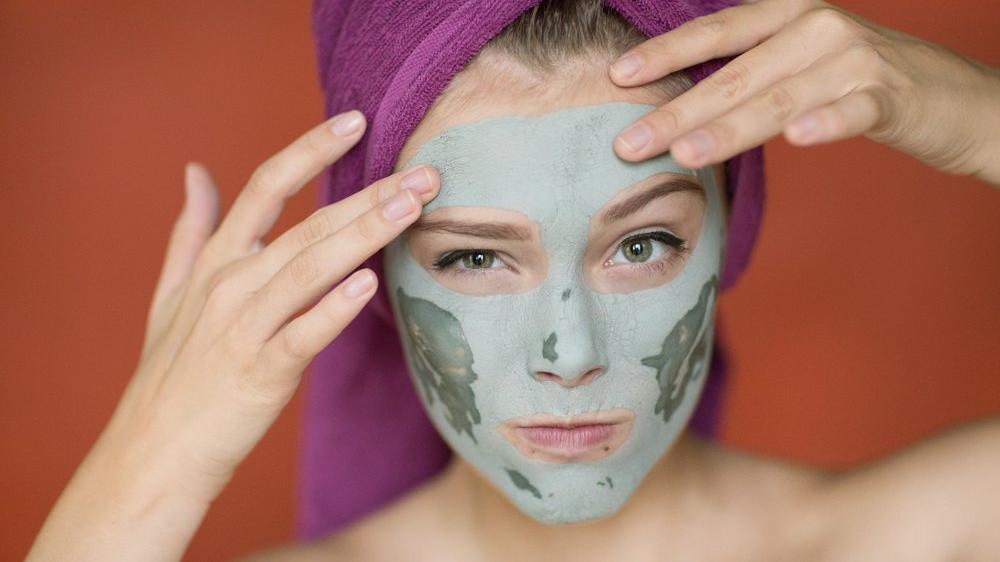

Acne spots are unwanted appearances that occur on our skin and cause pigmentation changes. They usually occur during or after acne or acne treatment. Acne spots are the result of excessive production of skin pigment or accumulation of damaged skin cells.
Acne spots can appear due to various factors:
1. Hormonal changes: Hormonal changes during periods such as puberty, pregnancy or menopause can cause acne spots to form.
2. Inflammation: Skin damage and inflammation that occur during the healing process of acne can increase pigment production and lead to acne spots.
3. Sunlight: Excessive exposure to sunlight can cause increased skin pigment and the formation of acne spots.
4. Skin type: Some people's skin types may be more prone to acne spots. People with dark skin are especially at risk in this regard.
What are the symptoms of acne spots?
Acne spots usually appear as red, brown or black spots on the skin. These spots mostly appear on the face, back or chest area. Acne spots may fade or become darker over time. They can also create a rough and irregular appearance on the skin surface.
Symptoms of acne spots include:
• Red, brown or black spots on the skin
• Variation in the size of the spots
• A rough and irregular appearance on the skin surface
• Spots fading or becoming darker over time
Getting rid of acne spots with skin care products and treatments
Various skin care products and treatments can be used to get rid of acne spots. These include:
5. Chemical peeling: Chemical peeling applications containing glycolic acid, salicylic acid or retinol can reduce the appearance of acne spots by removing dead cells and supporting skin renewal.
6. Vitamin C serum: Vitamin C can help heal acne spots by reducing pigment production.
7. Moisturizer and sunscreen: Regular use of moisturizers and sunscreen products can prevent acne spots from forming and getting worse.
8. Natural skin care products: Skin care products containing natural ingredients such as lemon, apple cider vinegar and honey can be effective in treating acne spots.
9. Laser treatment: Different types of laser treatments can help improve acne scars.
When using these products and treatments, it is important to choose the ones that are suitable for your skin type and to establish a regular skin care routine. In addition, consulting a specialist dermatologist can be useful in determining the most appropriate treatment method for you.
Dermatological treatments for acne scars
Dermatological interventions can also be effective in treating acne scars. Some dermatological treatment options are:
10. Healing creams: Healing creams containing hydroxyquinone, tretinoin and corticosteroids can be used to reduce the appearance of acne scars.
11. Laser treatments: Different types of laser treatments can help improve acne scars. These include IPL (Intense Pulsed Light), fractional laser and Q-switched laser.
12. Chemical peels: Chemical peels containing glycolic acid, salicylic acid or tretinoin can reduce the appearance of acne scars by removing dead cells and supporting skin regeneration.
13. Needle therapy: Microneedling therapy performed by doctors can help improve acne spots by reducing pigment accumulation on the skin surface.
14. Topical retinoids: Retinoids can help improve acne spots by promoting cell renewal and reducing pigment production.
It is important to pay attention to your skin sensitivity and your doctor's recommendations when applying dermatological treatments. Some treatments may cause side effects such as temporary skin dryness, redness or peeling.
 Call
Call
 Whatsapp