


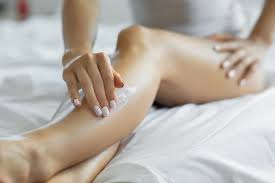

Why Acne Scars on Legs Form
Acne scars on legs are usually permanent scars left after inflammatory acne. Clogging of pores on the skin, proliferation of bacteria and inflammation on the skin can leave scars during the healing process of acne. Squeezing acne in particular can lead to deeper scars on the skin. These scars can usually manifest themselves as dark spots or pits. Acne scars on the legs can take time to disappear, but the appearance of these scars can be reduced with the right care and treatment.
Proper Cleaning and Care Are Important
Skin cleaning and care are of great importance in reducing acne scars on the legs. Regularly cleaning the dirt and excess oil on the skin can prevent the pores from clogging. Be sure to clean the skin on your legs with a gentle skin cleanser, especially in the morning and evening. Clean skin helps the healing process and ensures that the scars disappear faster. In addition, moisturizing the skin without drying it is also effective in the healing process.
Natural Methods Against Acne Scars on Legs
You can also benefit from natural methods to lighten the appearance of acne scars. Natural products such as aloe vera, honey and lemon juice stand out with their skin-healing properties. Aloe vera reduces inflammation in the skin, while honey accelerates skin healing thanks to its antibacterial properties. Lemon juice can help lighten dark spots on the skin. However, since lemon juice can cause sensitivity on the skin, it is recommended to test it before use.
Skin Rejuvenating Products and Creams
Skin rejuvenating creams specially formulated for acne scars are also effective. Products containing retinol, niacinamide (vitamin B3) and AHA (alpha hydroxy acid) can help scars heal faster by renewing skin cells. Such products provide a fresher and younger skin appearance by peeling the upper layers of the skin. However, these products should be used at night and protected from the sun, as some ingredients can make the skin more sensitive to the sun.
Chemical Peeling and Laser Treatment
For those who want to perform more in-depth interventions to treat acne scars on the legs, there are also professional methods such as chemical peeling and laser treatment. Chemical peeling removes dead cells from the skin surface and encourages the formation of new cells. Laser treatment targets pigment changes in the skin and reduces the appearance of scars. These treatment options can be effective especially in cases where the scars are deep and permanent. However, these treatments should be performed by specialist doctors.
Sun Protection for Acne Scars
The biggest enemy of acne scars is sunlight. Avoid sun exposure to prevent darkening of scars on the legs. Using sunscreen prevents spots on the skin from becoming more visible and speeds up the healing process. Especially in the summer months or during outdoor activities, sunscreens with SPF 30 and above should be preferred. Be sure to apply the cream to your skin before going out in the sun.
Regular Moisturizing and Water Consumption
It is important to maintain the moisture balance of the skin for the healing of acne scars on the legs. A moist skin helps the healing process and allows the scars to disappear faster. Moisturizing creams and skin oils can lighten the appearance of scars by increasing the elasticity of the skin. In addition, drinking plenty of water improves the overall health of the skin and speeds up the regeneration process.
Be Patient and Give It Time
It may take time for acne scars to completely disappear. The skin healing process may vary depending on personal factors. With a good skin care routine and regular treatment, the appearance of the scars may decrease, but it is necessary to be patient during this process. The skin renews itself over time and the scars gradually become less noticeable. Remember that every skin type is different and the healing process can be a personal experience.
Doctor's Advice and Professional Help
If acne scars on the legs do not go away for a long time or have reached disturbing dimensions, it would be useful to get help from a professional dermatologist. Dermatologists can evaluate your skin type and offer you special treatment methods. They can also guide you on the most effective treatment options suitable for your skin to prevent acne scars from becoming permanent.
 Call
Call
 Whatsapp