


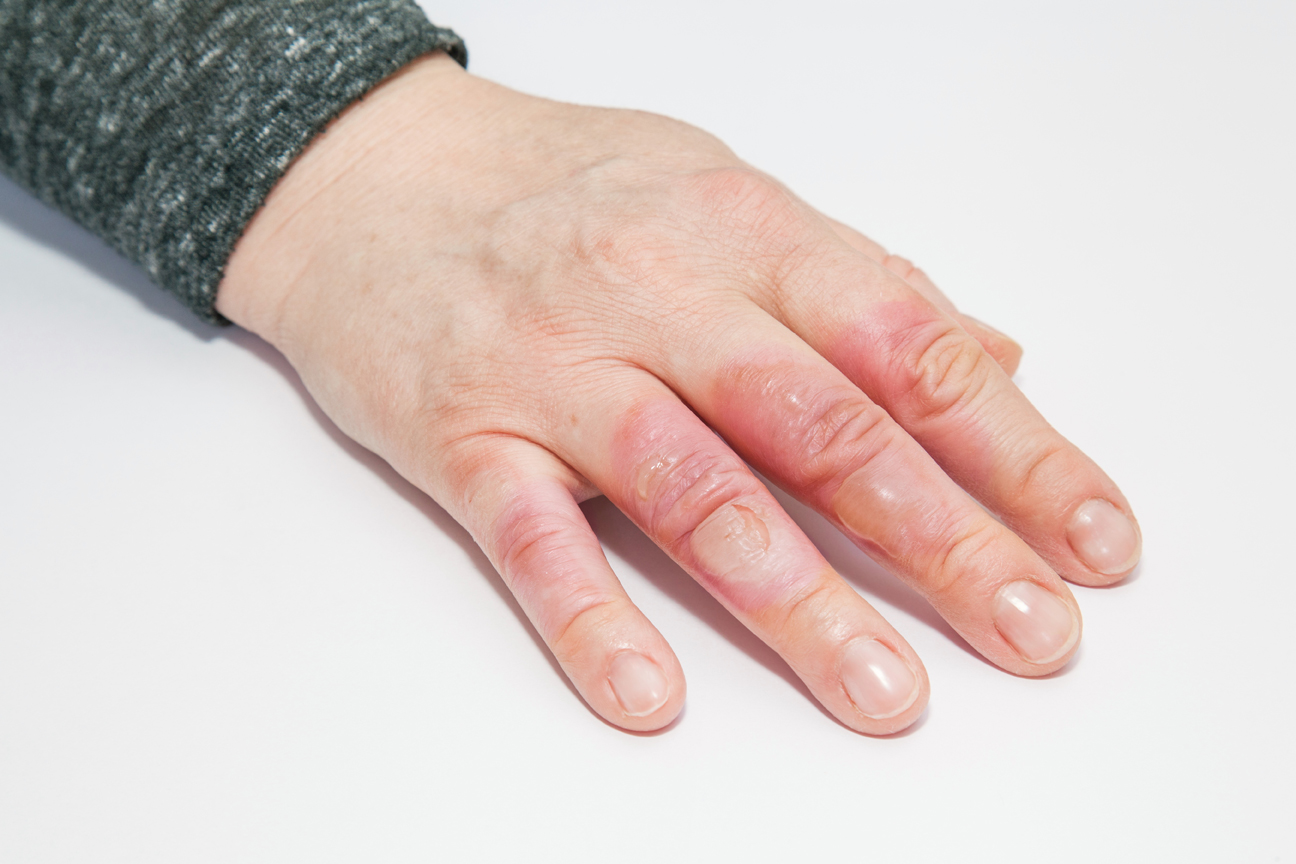

Burns are skin lesions that occur as a result of damage to the skin by external factors. Burns are generally classified as 1st degree to 3rd degree.
First degree burns: Affects only the upper layers of the skin. The skin becomes red, swollen and painful. For example, sunburns are examples of first-degree burns.
First degree burns: Damage occurs between the upper layers of the skin and the subcutaneous tissue. The skin becomes red, blisters form and cause severe pain.
First degree burns: All layers of the skin are affected and the subcutaneous tissue is also damaged. The skin becomes white, black or brown. These types of burns are severe and require serious medical attention.
First Aid Measures for Burns
Depending on the severity of the burn, first aid measures may vary. However, general first aid measures include:
Immediately rinse the burned area under cold water. This prevents the burn from spreading and relieves pain.
Cover the burn with a sterile cloth or clean clothing. This reduces the risk of infection.
Do not apply any creams, oils or other home remedies to the burn area. This can increase the risk of infection and delay healing.
Elevate the burn area. This reduces swelling and provides relief.
Natural Remedies for Burns
There are some natural remedies to help burns heal naturally. Here are some natural remedies for burns:
Aloe vera gel: The gel obtained from the leaves of the aloe vera plant provides relief and accelerates healing when applied to the burn area.
Lavender oil: Lavender oil relieves pain and reduces the risk of infection when applied to the burn area.
Honey: Having natural antibacterial properties, honey reduces the risk of infection and promotes healing when applied to the burn area.
Over-the-Counter Treatments for Burns
There are various over-the-counter products available for burn treatments. Here are some over-the-counter treatments for burns:
Burn creams: Special creams applied to the burn area relieve pain and promote healing.
Burn dressings: There are special dressings used to protect the burn area and reduce the risk of infection.
Burn sprays: Sprays applied to the burn area relieve pain and reduce the risk of infection.
Prescription Medications for Burns
In cases of severe burns, doctors may recommend prescription medications. These medications are often used to relieve pain, prevent infection, or promote healing. Prescription medications for burns may include:
Antibiotics: Used to reduce the risk of infection in the burn area.
Painkillers: Used to relieve severe pain.
Anti-inflammatory drugs: Used to reduce inflammation in the burn area.
Home Care Tips for Burns
There are some care tips to help burns heal faster at home. Here are some home tips for burns:
Keep clean: Keep the burn area clean and dry. Change dressings regularly and follow hygiene rules to reduce the risk of infection.
Moisturize: Apply moisturizing cream to the burn area. This accelerates skin healing and prevents itching.
Pay attention to nutrition: A healthy diet is important for burns to heal. Follow a diet rich in vitamins and minerals.
When to Seek Medical Assistance for Burns?
Mild to moderate burns can usually be treated at home. However, medical help must be sought in the following cases:
If the burn is 3rd degree: Deep and serious burns require medical attention.
If the burn affects the face, hands, feet or genital area: Burns in these areas can lead to more serious consequences.
If the burn spreads over a large area: Burns, especially those that cover a large area, may require medical attention.
 Call
Call
 Whatsapp