


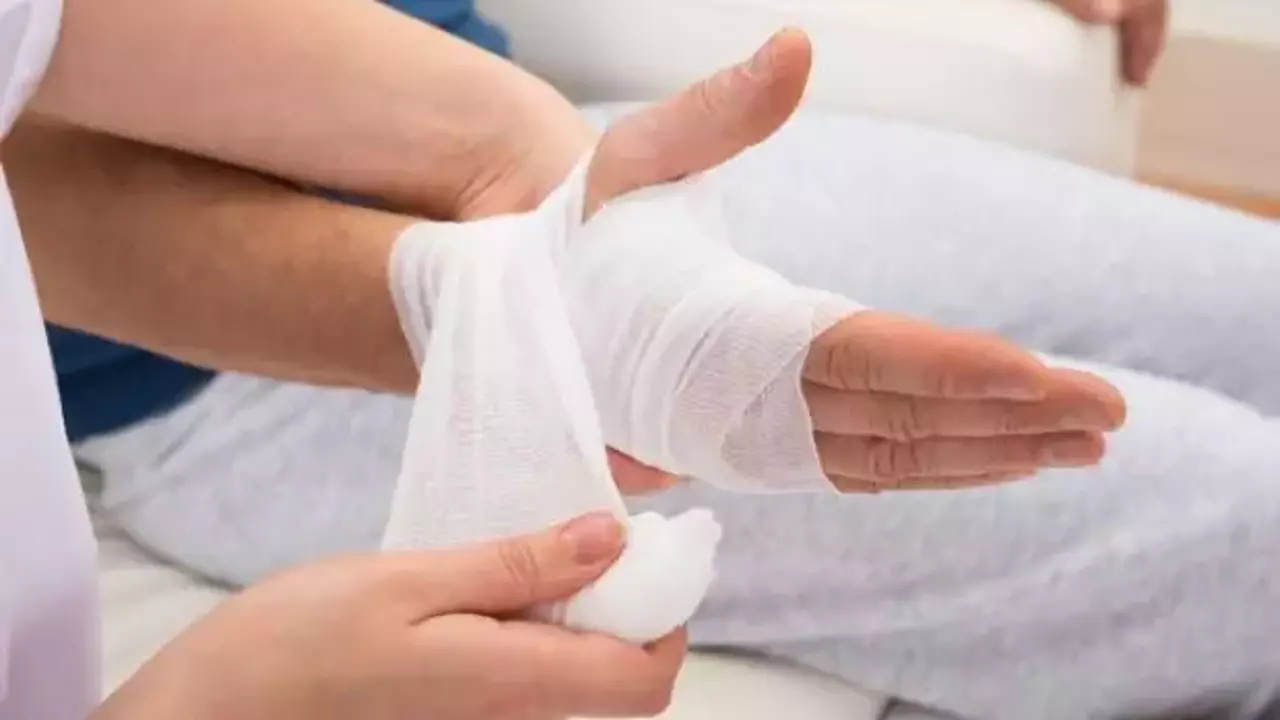

Oil burns are a type of burn that occurs when hot oil, oily food, or similar substances come into contact with the skin. These types of burns usually occur in the kitchen while cooking or preparing food. Oil burns are characterized by redness, pain, swelling, and sometimes blistering of the skin.
The main causes of oil burns include:
Hot oil splashes: Oil suddenly splashes or overflows during cooking, which causes skin contact.
Oily food contact: Hot oily foods touching the skin during frying, roasting, or deep-frying processes.
Hot oil spills: Oil spills due to a container or pot filled with oil tipping over or being dropped.
Oil burns are generally classified as first- or second-degree burns. In first-degree burns, only the skin surface is affected, while in second-degree burns, the skin layer is partially or completely damaged.
Oil Burn Symptoms and Treatment Methods
Oil burn symptoms include:
Severe pain
Redness
Swelling
Damage to the skin layer (blister formation)
Sometimes risk of infection
Oil burn treatment varies depending on the degree of the burn. In mild burns, home treatments such as healing with cold water, using burn creams or ointments, and taking painkillers may be effective. However, in more severe burns, medical intervention may be required. The doctor will evaluate the degree of the burn and determine the appropriate treatment method.
Medical treatment options may include:
Cleaning the burn area and applying sterile dressings
Prescribing painkillers and anti-infective medications
Debridement of the burn area (cleaning of dead tissue) if necessary
In severe cases, hospitalization and further treatment
The healing time of oil burns may vary depending on the degree, size of the burn, and appropriate treatment methods. While mild burns usually heal within 1-2 weeks, this period may be longer in more severe burns.
What to Do to Alleviate Oil Burns
You can follow the steps below to alleviate oil burns and speed up the healing process:
First Aid: Immediately hold the burn area under cold water for 10-20 minutes. This will prevent the burn from deepening and increasing in severity.
Applying Burn Cream: Apply a burn cream or ointment recommended by your doctor or available from a pharmacy to the burn area. This will reduce pain and speed up healing.
Using Painkillers: Use painkillers recommended by your doctor to relieve pain.
Protecting the Burn Area: Keep the burn area clean and dry. Use a sterile dressing or bandage if necessary.
Infection Control: Pay attention to hygiene rules to protect the burn area from infection. If you see signs of infection, see your doctor immediately.
Plenty of Fluid Consumption: Drink plenty of water, fruit juice or electrolyte-containing beverages to prevent fluid loss after the burn.
Rest: Adequate rest will speed up the healing process.
By following these steps, you can support the healing process of your oil burn and prevent the burn from getting worse.
Oil Burn Precautions and Protective Measures
You can take the following precautions to prevent oil burns and protect yourself from possible risks:
Be Careful in the Kitchen: Be especially careful to prevent oils or hot foods that may splash while cooking. Use long sleeves and thick protective gloves.
Check the Oil Temperature: Check the temperature of the oil regularly to prevent it from overheating. Prevent it from spilling over the oil.
Keep Children Away: Keep children away from the cooking area. Make sure they stay at a safe distance to reduce the risk of burns.
Prepare an Emergency Plan: Determine in advance what you will do in the event of a burn. Have first aid supplies ready.
Use Safe Cooking Equipment: Choose sturdy, durable and heat-resistant cooking utensils.
Change the Oil Regularly: Change the oil regularly. Used oils can splash more easily and increase the risk of burns.
Cleaning and Maintenance: Clean the cooking area and equipment regularly. Do maintenance and repairs on time.
By implementing these precautions, you can prevent grease burns and increase your safety in the kitchen.
 Call
Call
 Whatsapp