



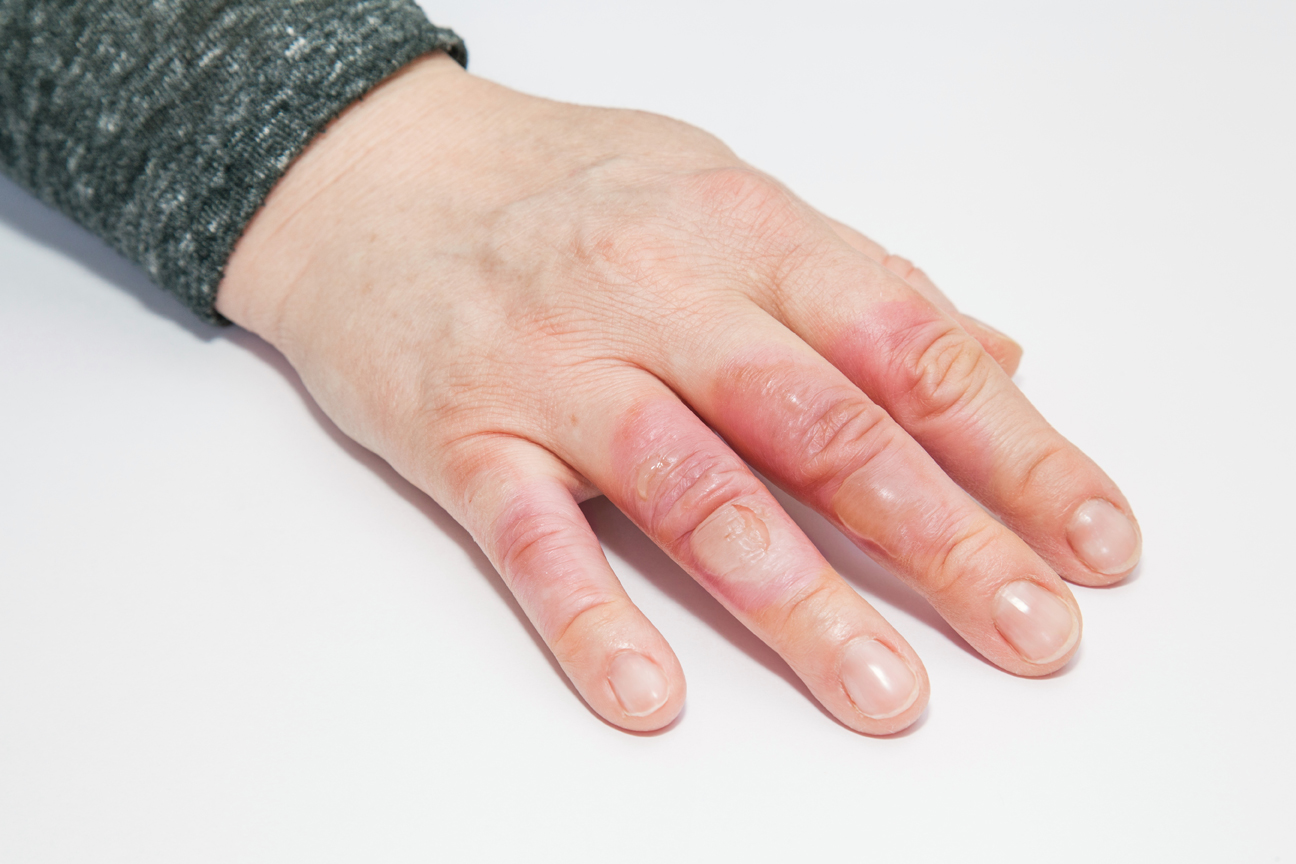
Hand burns are damages to the skin of the hand. They usually occur as a result of contact with hot water, steam, fire, electricity or chemicals. Hand burns can have varying degrees of severity depending on their depth and surface area of the burns.
First-degree burns affect only the top layer of skin and are red, swollen and painful. Second-degree burns also damage the underlying layer of skin and can result in blisters, blisters, or deep wounds. Third-degree burns affect all layers of the skin and can cause serious damage.
Emergency First Aid for Hand Burns
When a hand burn is an emergency, it is important to act quickly. First, you should hold the affected area of the burn under cold water for at least 10-15 minutes. Cold water relieves pain and prevents the burn from spreading. However, you should avoid direct contact with ice or frozen objects, as this can cause further damage to the skin.
Then, cover the burn using a sterile cloth or clean cloth. This reduces the risk of infection and prevents the burn from coming into contact with air. You should never apply cotton or cotton swabs to the burn area, as this can cause cotton particles to stick to the burn and cause infection.
Natural Solutions for Hand Burns
There are many natural remedies that can help treat hand burns at home. Aloe vera gel relieves pain and accelerates healing when applied to the burn area. Lavender oil can also be used on the burn area due to its antiseptic properties. You can mix a few drops of lavender oil with a carrier oil and massage the burn area.
Another natural solution is honey. When applied to the burn area, honey reduces the risk of infection and accelerates healing with its antibacterial properties. Apply some honey to a sterile cloth or clean cloth and apply it to the burn area.
Medicines Sold in Pharmacies
There are many medications sold in pharmacies for the treatment of hand burns. Burn creams or ointments, when applied to the burn area, relieve pain and promote healing. These creams or ointments usually contain antibiotics or painkillers.
Pharmacies also carry burn dressings. You can use these materials to protect the burn area and reduce the risk of infection. A variety of options are available, including sterile gauze, burn gels, and antibacterial tapes.
Pain Relief Methods
Pain in hand burns is quite common and uncomfortable. You can try several methods to relieve the pain. First, you can apply a cold compress to the burn area. Cold compress relieves pain and soothes the burn.
In addition, you can apply a pain-relieving cream or ointment to the burn area. There are many pain-relieving creams available over-the-counter in pharmacies. You can apply these creams to the burn area in accordance with the instructions for use.
Essential Oils
Another method that can be used in the treatment of hand burns is essential oils. Essential oils such as lavender oil, rosemary oil and tea tree oil can be used on the burn area due to their antiseptic and anti-inflammatory properties. You can mix it with a carrier oil and massage the burn area or use these oils with aromatherapy.
Before using essential oils, it is important to do a test to reduce the risk of allergic reactions. Apply a few drops of essential oil to the inside of your wrist and wait for 24 hours. If there is no reaction, you can safely use it on the burn area.
Diet Tips
Proper nutrition is important to speed up the healing process of hand burns. Intake of adequate amounts of protein, vitamins and minerals supports cell regeneration and accelerates healing. Protein-rich foods include meat, fish, dairy products, beans and lentils. Foods rich in vitamins and minerals are fruits, vegetables, whole grains and nuts.
You should also take care to drink plenty of water. Water moisturizes the skin and helps the burn area heal. You should stay away from drinks that cause dehydration, such as alcohol and caffeine.
Preventing Infections
Hand burns have a risk of infection, so it is important to prevent infections. First, you must keep the burn area clean. You can wash it gently with mild soap and water. Then, dry the burn area using a sterile swab or clean cloth.
Applying ointment or cream with antiseptic properties to the burn area also reduces the risk of infection. In addition, you should dress the burn area regularly to keep it clean and dry. When you need to change dressings, wash your hands thoroughly and use sterile gloves.
When to Seek Medical Help?
Most hand burns can be treated at home. However, in some cases you may need to seek medical help. If the burn is deep and wide or third degree
What is good for hand burns at home?
Free Information,
Consultation and Appointment Request
 Call
Call
 Whatsapp