


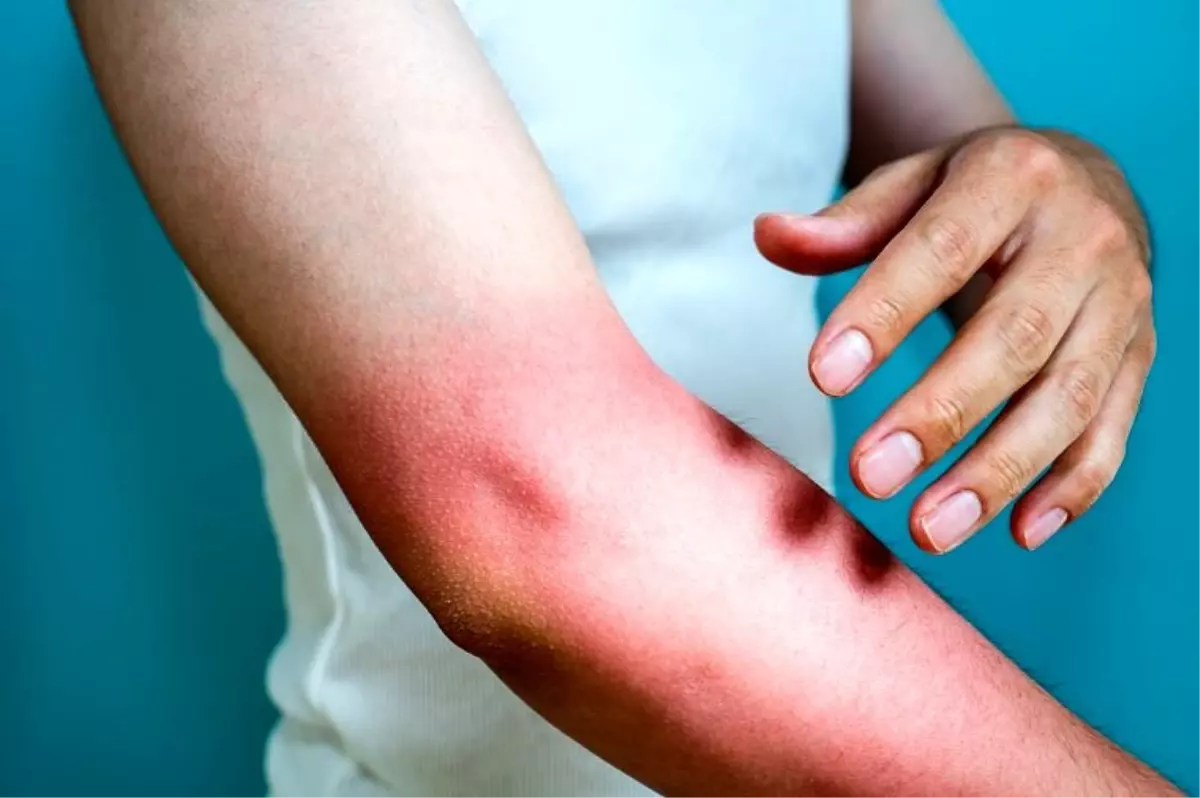

The degree of hot water burns varies depending on the area where the burn occurs and the extent of the injury. First-degree burns affect the superficial layers of the skin and show symptoms such as redness, swelling and pain. Second-degree burns reach deeper layers of the skin and form blisters. Third-degree burns are the most serious type of burns and completely destroy the skin and subcutaneous tissue.
The treatment of hot water burns varies depending on the degree of the burn. While home treatment may be sufficient for mild burns, medical intervention may be required for more serious burns. In addition, the area of the body where the burn occurs is also important. Burns in sensitive areas such as the face, hands, feet and genital area require more careful care.
What is Good for Hot Water Burns: First Aid Measures
When a hot water burn occurs, the first thing to do is to wash the burned area immediately with cold water. This prevents the burn from deepening and also reduces pain in the burned area. Washing with cold water should be continued for at least 10-20 minutes.
After cooling the burned area, it is important to place a sterile bandage or clean cloth over it. This reduces the risk of infection in the area and supports the healing process. However, care should be taken not to burst blisters if they have formed.
Painkillers can also be used in hot water burns. Painkillers such as acetaminophen or ibuprofen can relieve pain in the burned area. However, if the degree of the burn is severe, it is important to consult a doctor.
After applying first aid measures, care should be taken to keep the burned area clean and dry. To reduce the risk of infection, antibiotic cream can be applied to the burned area. It may also be useful to protect the burned area by wrapping it with a loose and clean bandage.
What is Good for Hot Water Burns: Cooling and Relief Methods
Cooling is very important in hot water burns. After washing the burned area with cold water, applying ice or a cold compress can also reduce pain. However, ice or a cold compress should not be applied directly to the skin, as this can cause a second burn.
Aloe vera gel or moisturizing creams can also be used to soothe the burnt area. These products are effective in relieving pain in the burnt area and speeding up the healing process. It is also important to keep the burnt area open and provide air circulation.
If pain and discomfort persist, painkillers can also be preferred. Medications such as acetaminophen or ibuprofen can help reduce pain in the burnt area. However, long-term use of these medications should be avoided.
Stress management is also an important factor in hot water burns. Pain and discomfort in the burnt area can affect the person's mood. Therefore, relaxation techniques, meditation or yoga can support the healing process.
What is Good for Hot Water Burns: Doctor's Recommendations
A doctor's check-up is very important in hot water burns. Medical intervention may be required, especially in second or third degree burns. Doctors evaluate the degree of the burn and determine the appropriate treatment methods.
Doctors clean the burned area, apply antibiotic cream to reduce the risk of infection and dress the burned area if necessary. They may also prescribe painkillers.
In severe burns, doctors may also recommend skin grafts or other surgical interventions. Such interventions may be necessary to repair tissue damage in the burned area and speed up the healing process.
Doctors also provide information about the care of the burned area, the healing process, and possible complications. Regular check-ups are important to monitor the healing of the burn and prevent complications.
What is Good for a Hot Water Burn: Methods to Heal Burn Scars
Hot water burns can sometimes leave permanent scars. These scars can negatively affect a person's appearance and self-confidence. However, it is possible to reduce or remove these scars using various methods.
Silicone gel dressings can accelerate the healing of burn scars. These dressings can improve the color and appearance of the scars. In addition, creams containing vitamins E and C can also help heal the scars.
Laser treatment is an effective method for removing burn scars. It is possible to reduce pigmentation on the scars and reshape the tissue using different laser technologies.
Cosmetic treatments can also improve the appearance of burn scars. Makeup, tattoos or other cosmetic procedures can make the scars less visible.
Healing burn scars can be a long process. However, with the right care and treatment methods, it is possible to improve the appearance of these scars and increase a person's self-confidence.
What is Good for Hot Water Burns: Recommendations from Burn Treatment Experts
Recommendations from experts are very valuable in treating hot water burns. Burn treatment experts, depending on the degree of the burn,
 Call
Call
 Whatsapp