


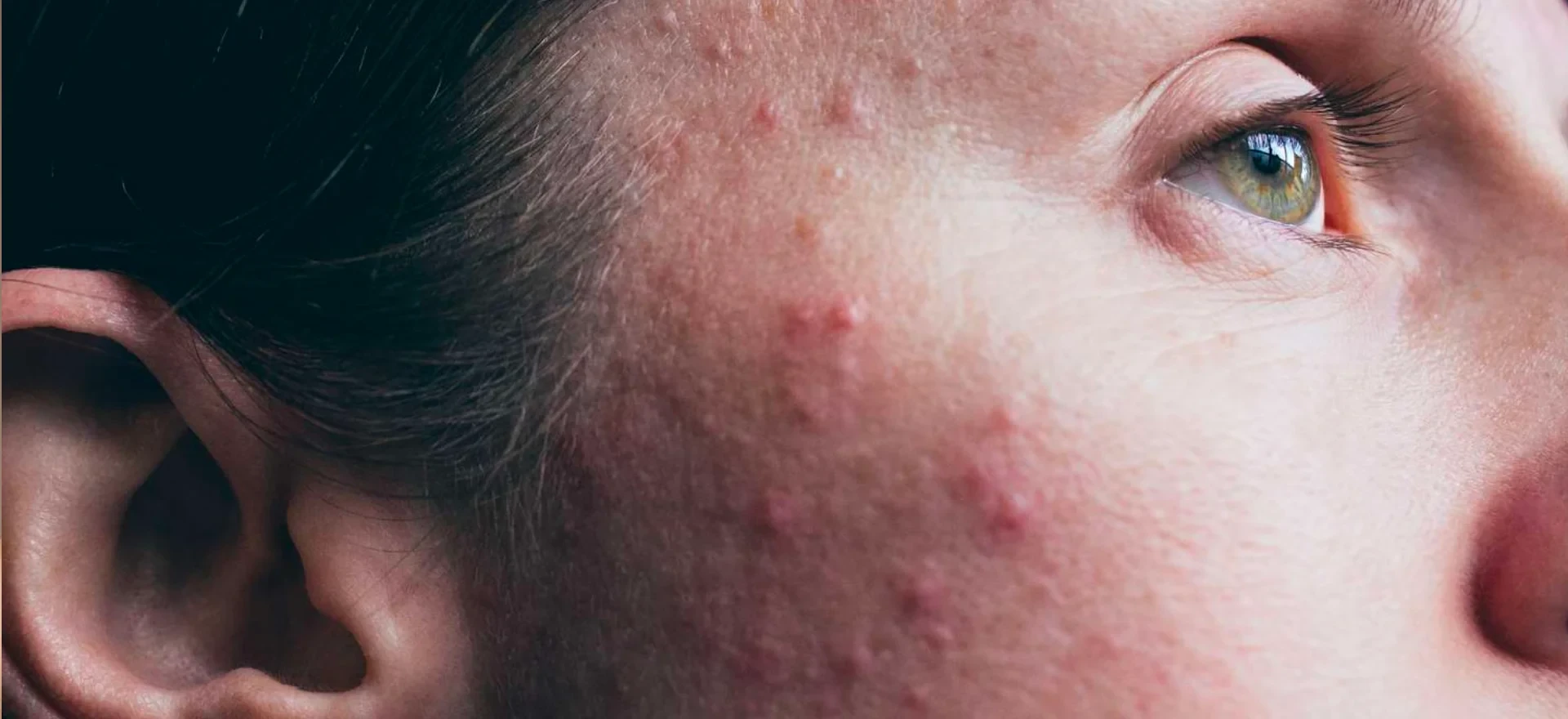

What is Good for Inflamed Acne?
Inflamed acne is a type of acne that occurs in the deep layers of the skin and usually manifests itself as painful, red and swollen lesions. In particular, hormonal changes, increased oil production and bacterial proliferation can cause this type of acne to appear.
Why Do Inflamed Acne Occur?
Many different factors can play a role in the formation of inflamed acne. In particular, increased oil production and bacterial proliferation are the main causes of this condition.
Hormonal Changes:
In cases such as puberty, menstruation, pregnancy or polycystic ovary syndrome, changes in hormone levels can cause the skin to produce more oil (sebum).
Clogged Pores:
As a result of the accumulation of oil and dead skin cells, pores become clogged. This blockage creates a suitable environment for bacteria to multiply.
Bacteria:
Propionibacterium acnes (P. acnes), in particular, can cause inflammation inside the pores, leading to acne.
Stress:
Stress can affect the body's hormone levels and cause the skin to produce more oil. This can trigger acne.
Wrong Product Use:
Using oily, comedogenic (pore-clogging) products can increase acne formation. Makeup and moisturizers in particular can cause this.
What is Good for Inflamed Acne?
In the treatment of inflamed acne, both topical (applied to the skin) and oral (taken by mouth) treatments can be used. In addition, some natural methods can contribute to the healing process.
1. Topical Treatments
Benzoyl Peroxide:
It eliminates bacteria on the skin thanks to its antibacterial properties. It also reduces inflammation by cleaning the pores. It is usually found in gel or cream form.
Salicylic Acid:
Cleanses the pores, removes dead skin cells and reduces inflammation. It is particularly effective on oily skin.
Retinoids (Retinol, Tretinoin):
It cleans the pores by accelerating the renewal of skin cells. It can be especially effective on stubborn and deep acne. However, it should be used with sunscreen as it can cause sensitivity to the sun.
Antibiotic Creams:
It is used to eliminate bacteria and reduce inflammation. Antibiotics such as Clindamycin and Erythromycin are commonly prescribed.
2. Oral Treatments
Oral Antibiotics:
It is prescribed by the doctor for inflammatory and widespread acne. Antibiotics such as tetracycline, minocycline and doxycycline are particularly common.
Hormone Regulating Drugs:
Birth control pills can be prescribed for acne due to hormonal imbalances, especially in women.
Isotretinoin (Roaccutane, Zoretanin):
It is one of the most effective treatment methods for severe and stubborn acne. However, it should only be used under the supervision of a doctor due to its strong side effects.
3. Natural Methods
Aloe Vera:
With its soothing and anti-inflammatory properties, aloe vera can help heal inflamed acne.
Tea Tree Oil:
It can help reduce acne thanks to its antibacterial properties. However, it is recommended to use it diluted with water instead of applying it directly to the skin.
Honey:
Honey, which has antibacterial and anti-inflammatory properties, can contribute to the healing process when applied directly to acne.
Green Tea:
It can help heal acne by reducing inflammation in the skin. Creams containing green tea extract can be used or cooled green tea can be applied to the skin with a cotton pad.
Daily Care Recommendations for Inflamed Acne
Keep Your Skin Clean:
Wash your skin with a gentle cleanser twice a day, morning and evening.
Use Moisturizer:
Prefer water-based and non-comedogenic (does not clog pores) moisturizers suitable for your skin type.
Use Sunscreen:
Since the skin may become sensitive especially during treatment, be sure to apply sunscreen before going outside.
Avoid Squeezing Pimples:
Squeezing or popping pimples can cause the inflammation to spread and leave scars.
Pay Attention to Your Diet:
Avoid sugary, processed and fatty foods. Following a healthy and balanced diet can positively affect your skin health.
When to See a Doctor?
Inflamed pimples can usually be cured with treatments that can be applied at home. However, in some cases, it is necessary to consult a dermatologist:
If pimples are constantly increasing or spreading.
If inflamed, painful and pus-filled pimples form.
If they do not go away despite treatments applied at home.
If they have started to leave scars on the skin.
Conclusion
Inflamed pimples can be largely controlled with the right treatment methods. Regular skin care, the right product use and healthy living habits are an important part of this process. If your pimples do not go away or get worse, it would be best to see your dermatologist and evaluate the appropriate treatment options.
 Call
Call
 Whatsapp