


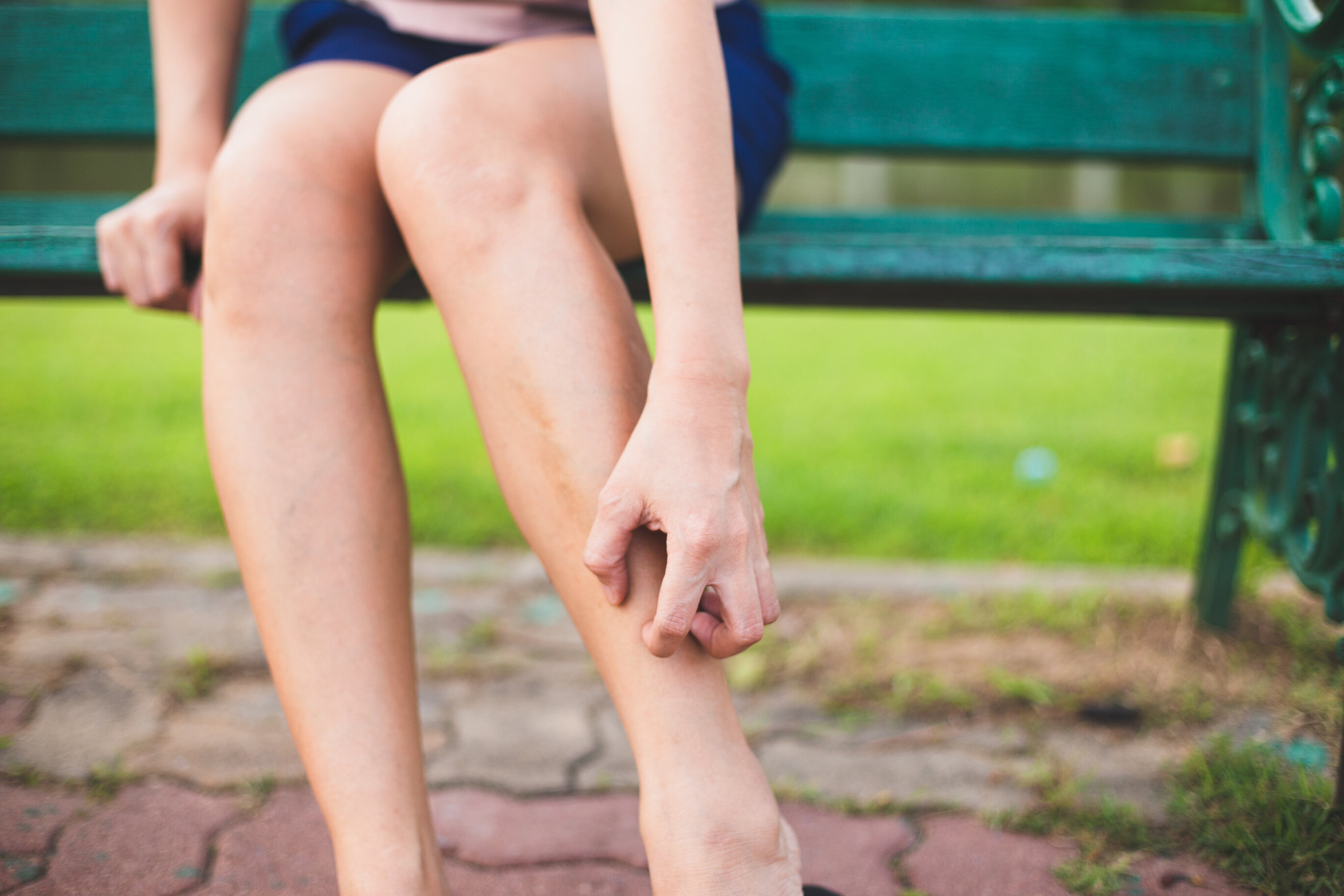

Why Does Itching Occur After Laser Epilation?
Laser epilation targets the hair follicles by sending high-energy light to the hair follicles in the skin. This process is done to destroy the hair follicles and permanently reduce hair. However, temporary sensitivity and irritation may occur on the skin due to the effect of the laser light. This may cause itching in some people. The skin in the area where the laser is applied may warm up immediately after the procedure and a slight redness, swelling or swelling may be seen. Itching may develop as a result of these conditions and is usually a temporary complaint.
Factors that Trigger Itching
The cause of itching after laser epilation is related to the skin's reaction to the laser energy. During the procedure, the laser light can cause micro-level damage to the skin surface by heating the hair follicles. This leads to some reactions on the skin:
Swelling and Redness on the Skin: Mild swelling and redness in the application area after laser epilation may cause itching on the skin. These symptoms decrease as the skin begins to heal.
Dry Skin: After laser hair removal, the skin becomes more sensitive and may be dry. Dry skin can increase the feeling of itching.
Reconstruction of Hair Follicles: Laser hair removal affects the hair roots and causes them to fall out. During this process, the reconstruction of the hair roots can cause itching on the skin.
What is Good for Itching?
There are some simple but effective methods to relieve itching after laser hair removal. These methods can help the skin heal faster and reduce itching:
Applying Cold Compress: Applying a cold compress can be useful to relieve itching after laser hair removal. Cold reduces inflammation in the skin, relieves swelling and itching. You can moisten a clean cloth with cold water and gently press it on the itchy area.
Using Moisturizing Cream: When the skin dries after laser treatment, itching can become even more severe. Therefore, moisturizing creams formulated for sensitive skin should be used after the procedure. Moisturizing creams prevent the skin from drying out, provide a soothing effect and reduce itching.
Aloe Vera Gel: Aloe vera has a soothing and cooling effect on the skin. Aloe vera gel after laser hair removal both provides the skin's moisture balance and relieves itching. This herbal gel can also help the skin heal with its anti-inflammatory properties.
Showering with Moderate Water: Since the skin becomes sensitive after laser hair removal, taking a hot shower can increase itching. Instead, taking a warm shower is more relaxing. Warm water does not dry the skin and can relieve itching.
Antihistamine Creams or Medications: If itching is severe, antihistamine-containing medications or creams can be used with a doctor's recommendation. These medications can reduce itching by calming allergic reactions.
Avoid Irritation of the Skin: Avoid scratching the skin during itching, as this can cause further irritation on the skin. Using the methods mentioned above to gently soothe the skin contributes to the healing process.
When Does Itching Become a Concern?
Itching after laser hair removal is usually temporary and goes away on its own within a few days. However, if the itching becomes severe, redness and swelling increase, this may be a sign of infection. If the itching persists and other skin problems (such as blisters, severe redness or pain) occur, it is important to consult a doctor immediately.
Conclusion
Itching after laser hair removal is usually a temporary reaction of the skin to the laser light and subsides within a few days. Cold compresses, moisturizing creams and soothing products such as aloe vera can be used to relieve itching. The itching and discomfort on the skin will pass over time, but it is important to see a specialist doctor if the itching becomes severe or persists for a long time.
 Call
Call
 Whatsapp