


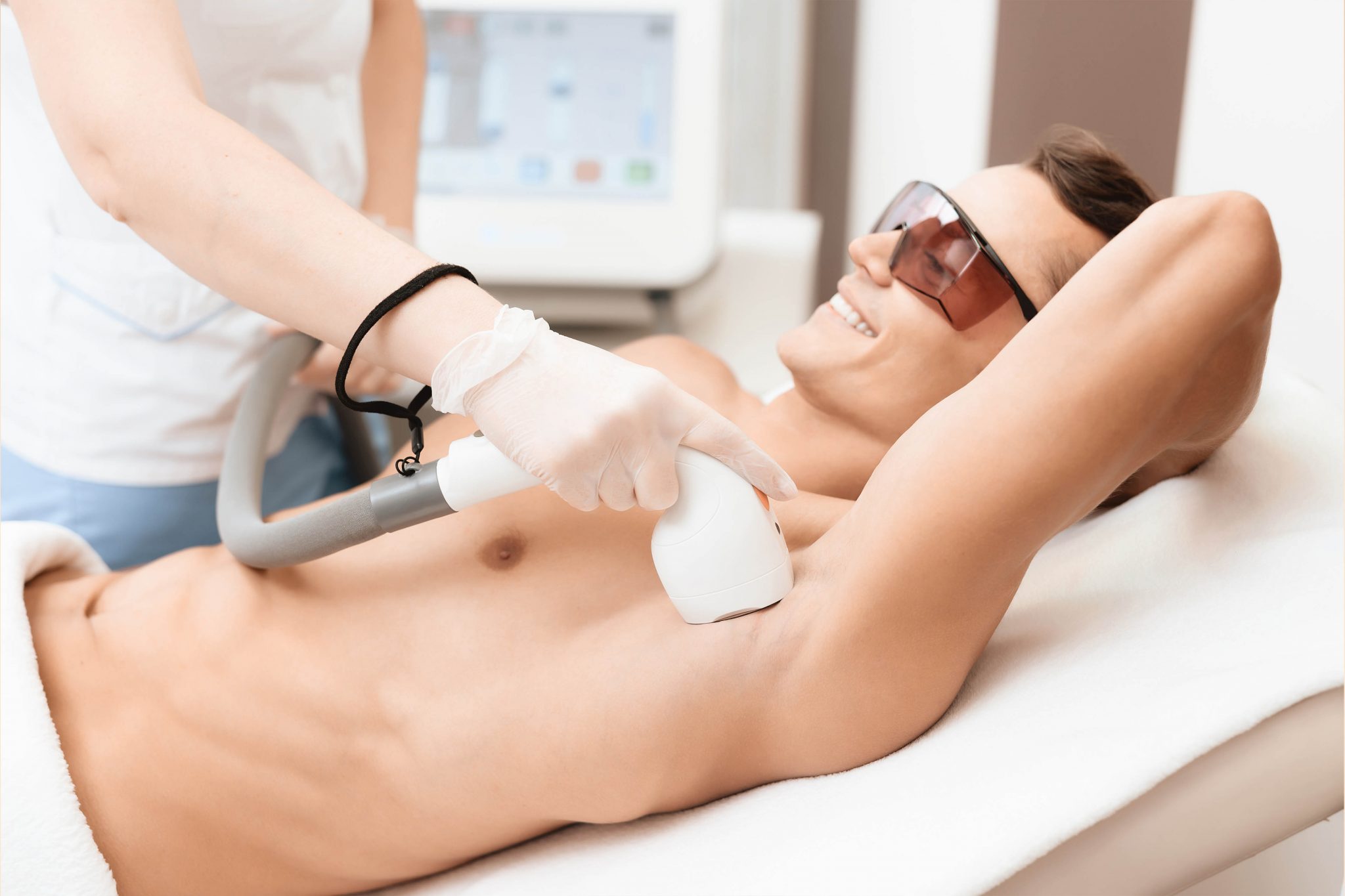

Due to the high intensity of laser beams applied to the skin, the degree of this damage to the skin can vary from person to person. While mild burns usually heal on their own, more serious burns may require medical intervention.
In order for laser treatments to be applied safely and effectively, it is important to have them performed by a specialist dermatologist or aesthetician. In addition, it is of great importance to choose the appropriate laser parameters for the skin type in order to minimize the risk of burns.
Symptoms and Effects of Laser Burn
Laser burns can show various symptoms on the skin. The most common of these are:
Redness
Swelling
Pain
Sensitivity
Itching
Scabbing
Scar formation
These symptoms usually appear immediately after the procedure or within a few hours. Depending on the degree of the burn, it can also leave permanent marks on the skin. Especially in deep burns, effects such as pigmentation changes, scar tissue formation or skin discoloration can be seen.
The effects of laser burns can vary from person to person. Some people have more sensitive skin and may be exposed to more severe burns. In addition, the person's skin type, age, health status and other factors can also affect the severity of the burn.
What is Good for Laser Burns?
There are many natural and medical treatment methods that can be effective against laser burns. The main ones are:
Cold Application: Applying an ice pack or cold water to the burn area is very effective as first aid. This helps reduce pain and swelling.
Aloe Vera: When aloe vera gel is applied to the burn area, it provides a moisturizing and soothing effect to the skin. It also accelerates the healing process.
Vitamin E: When oils or creams containing vitamin E are applied to the burn area, they contribute to the repair and renewal of tissues.
Hydration: Keeping the burn area moist supports the healing process. Therefore, it is important to drink plenty of water and keep the burn area moist.
Antibiotic Cream: Antibiotic creams taken with a doctor's prescription reduce the risk of infection and accelerate healing.
Painkillers: Painkillers such as paracetamol or ibuprofen are effective in reducing burn-related pain.
Steroid Creams: Steroid creams used with a doctor's recommendation can reduce inflammation and swelling.
The healing process of laser burns may vary from person to person. While healing can be seen in a few days in mild burns, it can take a few weeks in more serious cases. Depending on the degree of the burn, it is important to treat it under the supervision of a doctor.
When to See a Doctor for Laser Burn Treatment
The time to see a doctor for laser burns varies depending on the severity of the burn. In general, it is recommended to see a doctor in the following cases:
If the burn area is large
If the burn is severe and painful
If there is swelling, redness or crusting in the burn area
If signs of infection (fever, discharge, etc.) are seen in the burn area
If the burn area is not healing or is getting worse
When you see a doctor, the degree of the burn is evaluated and an appropriate treatment plan is determined. Depending on the severity of the burn, the doctor may recommend cold application, antibiotic cream, steroid cream or other treatment methods.
Appropriate treatment of laser burns minimizes the risk of permanent damage. Therefore, in case of burns, it is important to consult a specialist without delay.
 Call
Call
 Whatsapp