


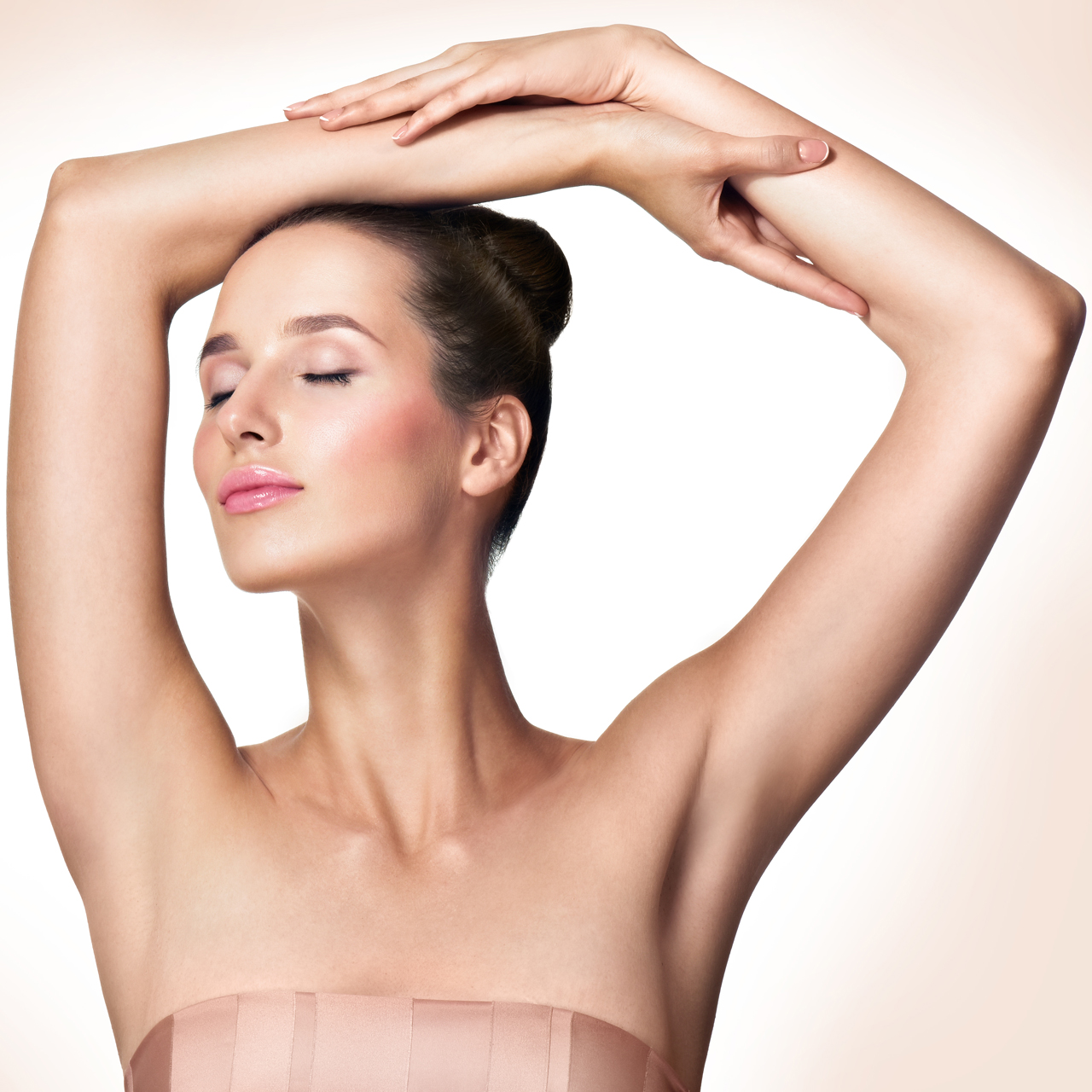

Skin blemishes are a problem that most people face and may have many different causes. In this article, you will learn what skin spots are, what factors cause skin spots and how you can treat skin spots. You'll also find lifestyle changes you can make to prevent skin blemishes and nutritional tips for healthy skin. Here's what you need to know about skin blemishes.
Understanding skin blemishes
Skin spots are defined as color changes in certain areas of the skin. These spots are caused by abnormalities in the distribution of the pigment called melanin in the skin. Skin blemishes can often be caused by reasons such as sun damage, aging, hormonal changes, acne scars or skin infections. Skin blemishes are usually harmless, but can be a source of aesthetic concern for some people.
Common causes of skin blemishes
There are many factors that cause skin blemishes. Skin spots may appear as a result of exposure to sunlight, sunburn or tanning. Hormonal changes, especially during pregnancy, can cause skin blemishes. Acne scars can also cause blemishes on the skin. Additionally, some skin infections or diseases can also cause skin blemishes.
Treating skin blemishes with natural solutions
There are many natural solutions to lighten or treat skin blemishes. Lemon juice is a natural bleach that can help lighten the skin. Applying aloe vera gel to skin blemishes can also be effective. Applying cucumber juice or potato slices to your skin can also lighten skin blemishes. These are just a few examples, but it is important to consult a professional before using natural solutions.
Over-the-counter treatments for skin blemishes
There are many over-the-counter treatment options for skin blemishes. These treatments are often used to lighten or hide blemishes on the skin. For example, you can use tinted concealers or foundations to cover skin blemishes. There may also be some creams or lotions that can be effective against skin blemishes. However, it is important to consult a professional before using these products.
Professional treatments for skin blemishes
Professional treatments are also available to treat skin blemishes. Procedures such as laser treatment or chemical peels can reduce the appearance of blemishes by renewing the top layer of the skin. Dermatologists or skin care specialists can help you determine the appropriate treatment for skin blemishes. These treatments may often need to be applied in more than one session to be effective.
Lifestyle changes to prevent skin blemishes
You can make some lifestyle changes to prevent skin blemishes. When going out in the sun, be sure to use sunscreen and, if possible, wear a hat and sunglasses. Additionally, a healthy diet and regular exercise can also help maintain skin health. Avoiding smoking and managing stress can also improve your skin health.
The best skin care products for skin blemishes
There are many different skin care products to treat skin blemishes. Some ingredients that may be effective against skin blemishes include vitamin C, retinol and niacinamide. Creams or serums containing these ingredients can help brighten skin and reduce the appearance of blemishes. However, it is important to consult a professional before using skin care products.
Nutrition and nutrition for healthy skin
Your diet and eating habits can also affect your skin health. It is important to include certain nutrients to prevent or lighten skin blemishes. For example, consuming fruits and vegetables rich in antioxidants can help protect your skin. Additionally, consuming fish such as salmon, which contain omega-3 fatty acids, may also improve your skin health.
Tips for clean and blemish-free skin
You can follow some tips for clean and blemish-free skin. It's important to wash your skin with a gentle cleanser every day. It's also important to gently dry your skin rather than rubbing it and choose skin care products carefully. Avoid squeezing pimples as this can cause blemishes. Also, be careful not to cover your skin with excessive make-up and to change the pillowcase regularly.
Skin spots are the result of excessive pigment production by cells called melanocytes. These cells produce the pigment melanin, which determines skin color. Skin spots occur due to irregular distribution or overproduction of melanin pigment.
Skin spots are usually caused by various factors such as exposure to sunlight, hormonal changes, aging, skin damage or the use of certain medications. Therefore, it is important to control these factors for the prevention and treatment of skin spots.
Causes of Skin Spots
The most common causes of skin spots are as follows:
1. Sunlight Exposure: Sun rays can cause melanocytes to produce excessive pigment. This leads to spots, especially on areas of the skin exposed to the sun.
2. Hormonal Changes: Hormonal changes such as pregnancy, birth control pills or menopause can contribute to the formation of skin spots.
3. Aging: Aging of the skin can trigger uncontrolled pigment production by melanocytes and cause skin spots to appear.
4. Skin Damage: Acne, burns, cuts or other skin damage can cause melanocytes to produce excessive pigment and cause skin spots.
5. Drug Use: Some medications can contribute to the formation of skin spots. For example, antiepileptic drugs, antibiotics or antidepressants can cause skin spots.
6. Genetic Factors: Some people may be more prone to skin spots. Genetic factors can play a role in the formation of skin spots.
7. Other Factors: Stress, nutrition, smoking and other environmental factors can also contribute to the formation of skin spots.
Types of Skin Spots
Skin spots can be divided into several types. The most common of these are:
8. Sun Spots (Lentigo): These are spots that occur as a result of prolonged exposure to sunlight and are usually seen on the face, hands and other sun-exposed areas of the body.
9. Melasma (Chloasma): These are spots that occur due to hormonal changes, especially pregnancy or the use of birth control pills and are usually seen on the face.
10. Post-Inflammatory Hyperpigmentation: These are spots that occur after acne, burns or other skin damage.
11. Age Spots (Senile Lentigo): These are spots that occur during the aging process, usually on the back of the hands, face and body.
12. Drug-Induced Spots: These are spots that occur as a result of the use of certain medications.
13. Genetic Spots: These are spots that are congenital and usually passed down from family members.
The types, causes and appearances of skin spots may vary. Therefore, it is important to consult a dermatologist for the correct diagnosis of skin spots and the determination of appropriate treatment methods.
Dermatological Treatments Against Skin Spots
Dermatological interventions play an important role in the treatment of skin spots. Below are the main dermatological methods used in the treatment of skin spots:
14. Topical Creams and Serums: Creams and serums containing active ingredients such as hydroquinone, retinoids, acids (glycolic acid, azelaic acid) are used in the treatment of skin spots by reducing melanin production.
15. Chemical Peeling: Peeling with chemicals such as glycolic acid, salicylic acid or trichloroacetic acid reduces the appearance of skin spots by peeling the upper skin layer.
16. Laser Treatment: Lasers of different wavelengths target the melanin pigment and improve skin spots. Laser treatment is especially effective for deep or stubborn spots.
17. Fine Skin Peeling (Dermabrasion): Mechanical abrasion of the skin surface removes the upper skin layer that contributes to the formation of spots.
18. Intracutaneous Injections: Injections applied directly to the spot area are used in the treatment of skin spots by reducing melanin production.
19. Light Therapy: Especially for hormone-related spots such as melasma, IPL (Intense Pulsed Light) or LED light therapy can be effective.
20. Other Treatments: Products containing ingredients such as vitamin C, tranexamic acid, and kojic acid can also be used in the treatment of skin spots.
The application of these treatment methods is determined according to the type and severity of skin spots and the person's skin characteristics, in line with the recommendation of the dermatologist. Choosing the right treatment method ensures effective improvement of skin spots.
Clinical Applications Treating Skin Spots
There are various clinical applications in the treatment of skin spots. The main clinical methods used in the treatment of skin spots are listed below:
21. Dermatological Examination: For the correct diagnosis of skin spots, a comprehensive dermatological examination is first performed. The dermatologist's evaluation plays an important role in determining the treatment method.
22. Skin Test: Various skin tests (Wood light test, histopathological examination, etc.) can be applied to determine the cause and type of skin spots.
23. Topical Treatment: Active ingredients such as hydroquinone, retinoids, acids
 Call
Call
 Whatsapp