


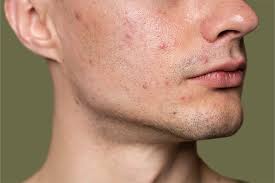

Problems Caused by Squeezed Acne Scars
Squeezed acne usually leaves scars and spots on the skin. Squeezing acne causes the oil glands in the skin to become more inflamed, which negatively affects the healing process. Squeezing also causes deeper scars to form on the skin. These scars become more permanent by damaging the upper layer of the skin. Correct methods and regular care are important in the treatment of squeezed acne scars.
Treatment with Skin Rejuvenating Products
One of the most effective treatment methods used for squeezed acne scars is the use of skin rejuvenating products. These products help the scars disappear over time by renewing the upper layers of the skin. Creams containing AHA (Alpha Hydroxy Acid) support the regeneration of skin cells and lighten the appearance of squeezed scars. In addition, products containing retinoid increase collagen production in the skin, making the scars less noticeable.
Dermaroller and Dermapen Applications
Microneedling techniques such as dermaroller and dermapen can be quite effective in the treatment of squeezed acne scars. These treatment methods initiate the skin's own healing process by opening micro-wounds with small needles in the lower layers of the skin. This process provides new collagen production and helps flatten the scars on the skin surface. There may be some redness and swelling on the skin after the application, but these symptoms usually pass within a few hours.
Reducing Scars with Chemical Peeling
Chemical peeling is another effective method in the treatment of acne scars. Chemical solutions applied to the skin clean the dead cells in the upper layer and accelerate skin renewal. This treatment reduces the appearance of squeezed acne scars and makes the skin smoother. Chemical peeling is a recommended treatment option especially for superficial scars. However, this treatment alone may not be sufficient for deep scars.
PRP (Platelet Rich Plasma) Application
PRP treatment has become popular in the treatment of squeezed acne scars in recent years. In this method, plasma taken from the person's own blood is injected under the skin to renew the skin. PRP increases collagen production and improves the appearance of scars on the skin. The treatment can usually take several sessions, but the results can be quite satisfactory.
Skin Care and Sun Protection
One of the most important elements in the treatment of squeezed acne scars is skin care. The skin should be cleaned and moisturized every day. In addition, it is extremely important to use high-factor sunscreen since the skin will become more sensitive during the treatment process. Exposure to the sun can cause scars to become more visible. Therefore, skin protection measures should be taken while continuing the treatment.
Scars May Take Time to Heal
It is important to be patient in the treatment of squeezed acne scars. Skin regeneration can take time and the treatment process may differ for each individual. Regularly continuing the applied treatment and not neglecting skin care will allow you to achieve the best results. Recovery during the treatment may take several weeks or months, but with the right care and treatment, scars can be significantly reduced.
In Conclusion
The treatment of squeezed acne scars can be done with various methods. The appearance of scars can be reduced with treatment options such as skin rejuvenation products, dermaroller, chemical peeling and PRP. However, since each individual's skin structure is different, it is important to consult a dermatologist or specialist to determine the most appropriate treatment method. With regular care, patience and the right treatment, squeezed acne scars will diminish over time and the skin will gain a healthier appearance.
 Call
Call
 Whatsapp