


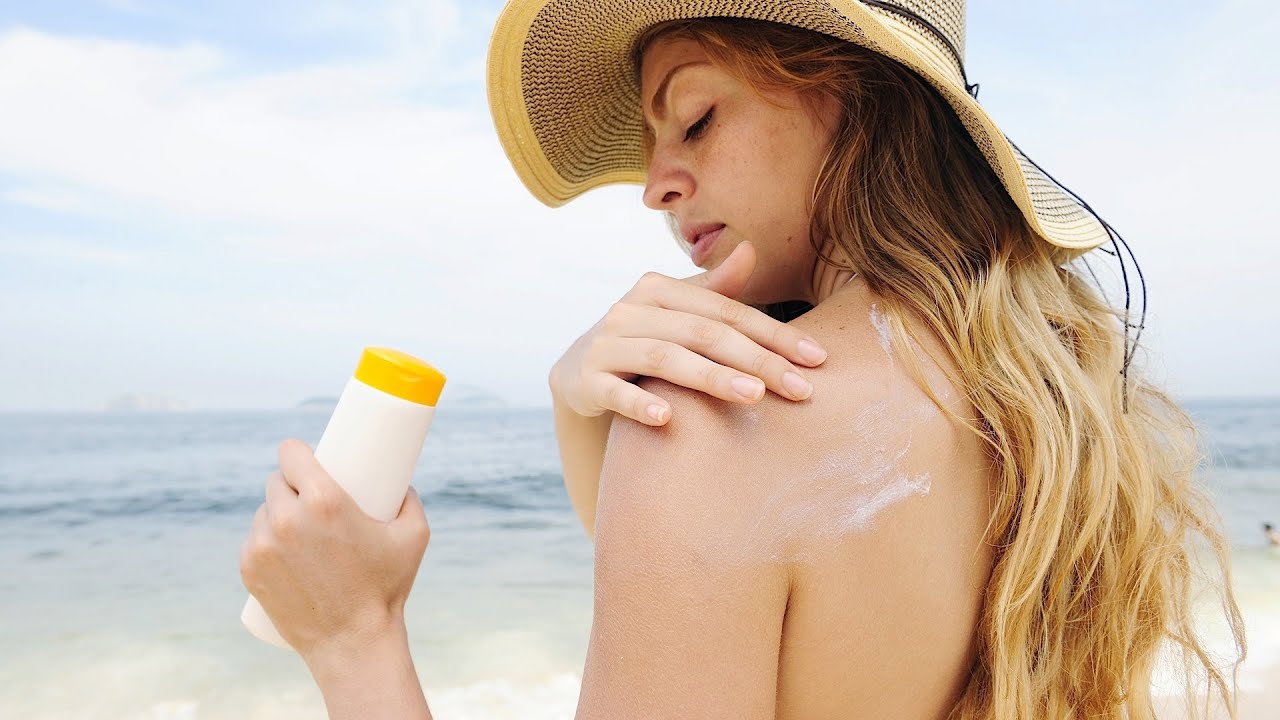

Sunspots are caused by a combination of factors. The main ones are:
Excessive Sun Exposure: Being exposed to the sun for long periods of time, especially without using sunscreen, increases the skin's melanin production and causes spots to form.
Hormonal Changes: Hormonal changes such as pregnancy, menopause or birth control pills can affect melanin production and cause sunspots to appear.
Skin Types: People with fair skin and sensitive skin are more prone to sunspots.
Age: With age, the skin's melanin production decreases, causing sunspots to become more visible.
Genetic Factors: Some people are more prone to sunspots due to their genetic predisposition.
Effects of Sunspots
Sunspots are not only a cosmetic problem, but also have psychological and social effects:
Appearance: Sunspots can cause an aesthetically disturbing appearance due to uneven pigmentation of the skin.
Self-confidence: Sunspots, especially when seen on the face, can negatively affect a person's self-confidence and sense of well-being.
Social Relations: Sunspots can be annoying, attracting people's attention, and can negatively affect social interactions.
Professional Methods for Treating Sunspots
There are various professional methods for treating sunspots. These include:
Chemical Peeling: Aims to reduce spot formation by peeling the upper layers of the skin in a controlled manner.
Laser Treatment: Uses high-energy rays to break down spots and renew the skin.
Drug Treatment: Prescription creams, serums, or tablets improve the appearance of spots by reducing melanin production.
IPL (Intense Pulsed Light) Treatment: Uses intense pulses of light to break down spots and allow the skin to heal.
Skin Care: Regularly applied face masks, peels, and moisturizers can improve the appearance of spots.
In addition to these professional treatment methods, using sunscreen, avoiding the sun, and adopting a healthy lifestyle also play an important role in preventing sunspots.
 Call
Call
 Whatsapp