


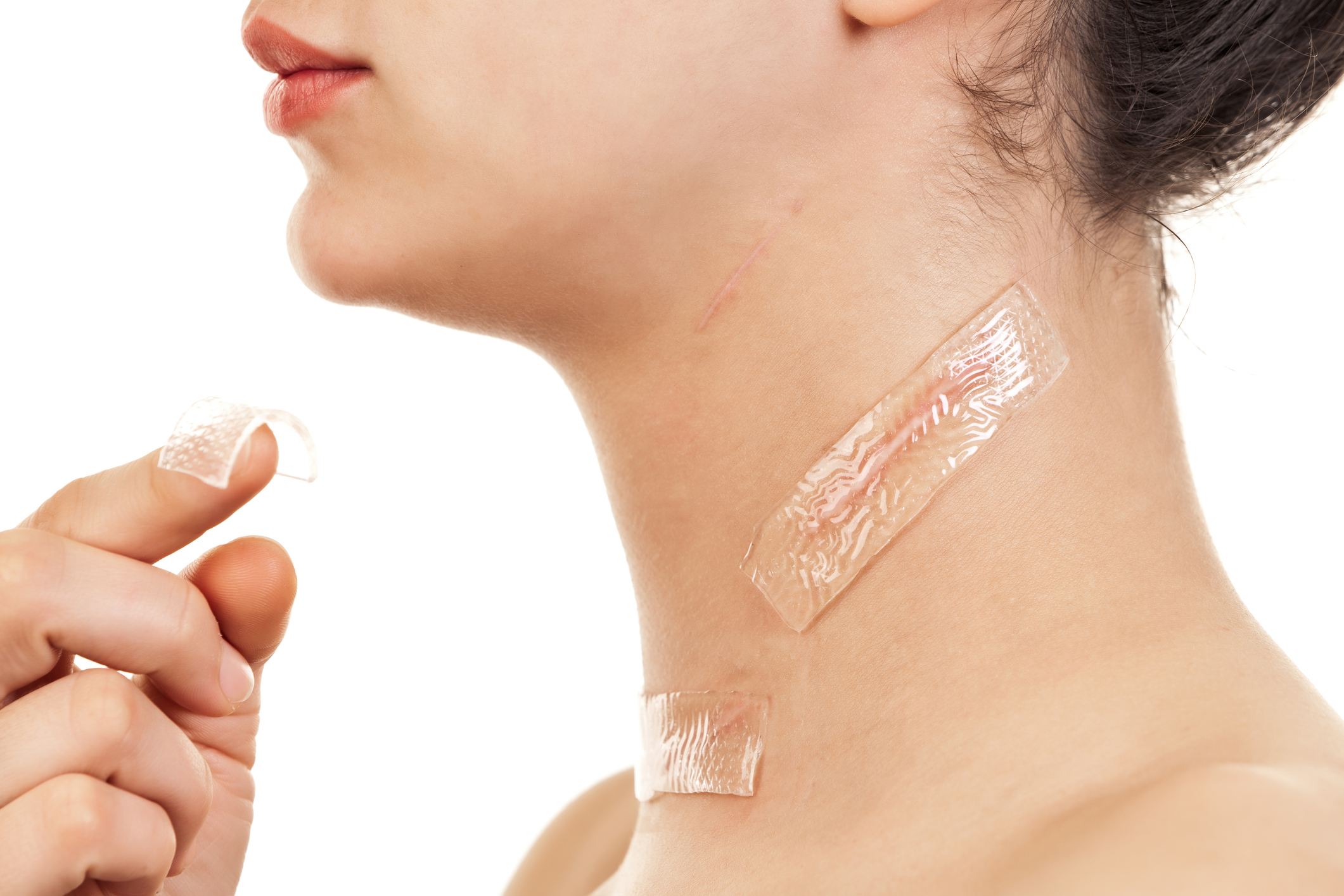

During surgery, tissue damage occurs and the body's healing process results in surgical scars. The appearance and size of the scars vary depending on factors such as the person's skin structure, the type of surgery, surgical technique and the healing process.
Some people may be more prone to scars after surgery. For example, dark or raised scars may develop due to skin type. In addition, factors such as smoking, poor nutrition, insufficient sleep and stress can also affect the formation and appearance of scars.
Once we understand the formation of surgical scars, we can look at various treatment options to reduce or remove them.
Treatment Methods for Surgical Scars
There are various medical and cosmetic treatment options to improve the appearance of surgical scars. These include;
1. Topical Creams and Serums: Creams and serums containing ingredients such as Vitamin E, C, silicone, and hydrocortisone can improve the color and appearance of scars.
2. Laser Treatment: Different types of laser applications can be used to correct the color, height and texture of scars.
3. Chemical Peeling: Chemicals such as glycolic acid and salicylic acid can peel off the upper layers of the scars, providing a smoother appearance.
4. Intralesional Steroid Injections: Steroid injections can be applied to reduce raised and thick scars.
5. Surgical Intervention: Especially in thick and raised scars, surgical excision (cutting) or scar revision procedures can be performed.
Since each method has its advantages and disadvantages, the choice of treatment should be evaluated on a case-by-case basis. It is important to determine the most appropriate treatment method by consulting with experts.
Medical Treatments That Remove Surgical Scars
There are various medical treatments that remove surgical scars. These include;
6. Topical Creams: Creams containing ingredients such as Vitamin E, C, silicone, and hydrocortisone can improve the color and appearance of scars.
7. Laser Treatment: Different types of laser applications can be used to correct the color, height, and texture of scars.
8. Chemical Peeling: Chemicals such as glycolic acid and salicylic acid can peel off the upper layers of scars, providing a smoother appearance.
9. Intralesional Steroid Injections: Steroid injections can be applied to reduce raised and thick scars.
10. Surgical Intervention: Especially in thick and raised scars, surgical excision (cutting) or scar revision procedures can be performed.
These treatments can significantly improve the appearance of scars. However, since each method has its advantages and disadvantages, the choice of treatment should be evaluated on a case-by-case basis. It is important to determine the most appropriate treatment method by consulting with experts.
What to Do to Prevent Surgical Scars
To prevent or reduce the formation of surgical scars, some precautions can be taken before and after surgery:
11. Pre-Surgery Preparation:
• Adopting a healthy lifestyle (regular sleep, balanced diet, stress management)
• Quitting smoking
• Keeping the surgical area clean
12. Post-Surgery Recovery Period:
• Adhering to the medication and care practices recommended by the doctor
• Protecting the surgical area from the sun
• Using massage, cream or silicone adhesive
• Going for regular check-ups
13. Long-Term Care:
• Keeping the skin moist
• Using sunscreen
• Performing scar massage
• Applying to additional treatments if necessary
By applying these precautions, you can significantly improve the appearance of surgical scars and even prevent their formation.
If your surgical scars concern you, contact a specialist dermatologist. You can determine the most appropriate treatment method and improve the appearance of your scars in line with their recommendations.
 Call
Call
 Whatsapp