


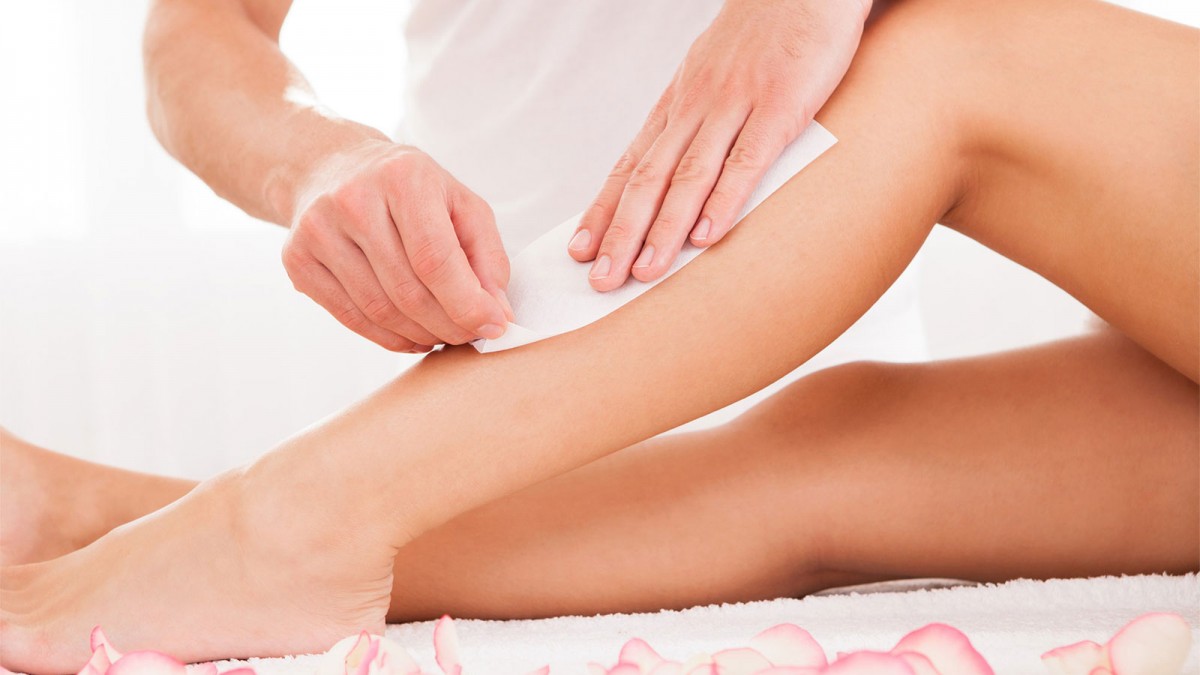

Wax allergy is an allergic reaction that occurs after waxing. Waxing is a method used to remove hair from the skin by the root. However, some people experience symptoms such as pain, redness, itching and blisters on their skin after this procedure. These symptoms may be a sign of wax allergy.
Common symptoms of wax allergy
Symptoms of wax allergy may vary from person to person, but there are some common symptoms. Post-waxing skin symptoms may include:
Redness: Redness may occur on the skin after waxing. This is a sign that the skin is irritated.
Itching: Itching on the skin after waxing is a common symptom. It may mean that the skin is irritated and an allergic reaction occurs.
Blisters: Some people develop blisters on their skin after waxing. These blisters can often be fluid-filled and painful.
These symptoms are signs that suggest that you have a wax allergy. If you are experiencing these symptoms, it is important to seek help from a dermatologist.
Causes of wax allergy
Wax allergy may develop to some ingredients found in wax products. Some ingredients commonly used in waxing products include:
Resins: Resins are commonly used in waxing products. These resins provide adhesion to the skin and help pull the hair from the root. However, some people may develop an allergic reaction to resins.
Perfume and colorants: Some wax products may contain perfume and colorants. These ingredients may cause allergic reactions in some people.
Beeswax: Beeswax used in waxing products can also cause allergic reactions. Some people may be sensitive to waxing products that contain beeswax.
People who are at risk of developing an allergic reaction to these ingredients should have an allergy test before waxing.
Diagnosis of wax allergy
Diagnosis of wax allergy is made by a dermatologist. The dermatologist can make a diagnosis by observing the symptoms on the skin after waxing and listening to the patient's history. Additionally, in some cases, a skin allergy test may be performed. This test is done to determine if the skin has an allergic reaction to certain ingredients.
Treatment of wax allergy - topical options
Treatment of wax allergy aims to relieve symptoms. There are some topical options for this:
Cold compresses: Cold compresses can help relieve skin redness and swelling after waxing. You can wrap an ice pack with a thin towel and apply it to the skin.
Corticosteroid creams: Corticosteroid creams can relieve skin irritation and itching after waxing. However, it is important to consult a dermatologist before using these creams.
Moisturizers: Moisture loss may occur in the skin after waxing. Using a moisturizer can help skin regain moisture.
Before using these topical treatment options, it is important to seek advice from a dermatologist.
Treatment of wax allergy - oral medications
Some oral medications can also be used to treat wax allergy. These medications can help control the allergic reaction. These include antihistamines and corticosteroids. However, it is important to consult a doctor before using these medications.
Natural solutions that are good for wax allergies
There are some natural solutions that are good for wax allergies. These may help relieve symptoms. Here are some natural solutions:
Aloe vera: Aloe vera gel can relieve skin redness and irritation after waxing.
Lavender oil: Lavender oil can help reduce skin itching after waxing.
Cucumber slices: Cucumber slices can relieve swelling on the skin after waxing.
Before using these natural solutions, it is important to seek advice from a dermatologist.
 Call
Call
 Whatsapp