


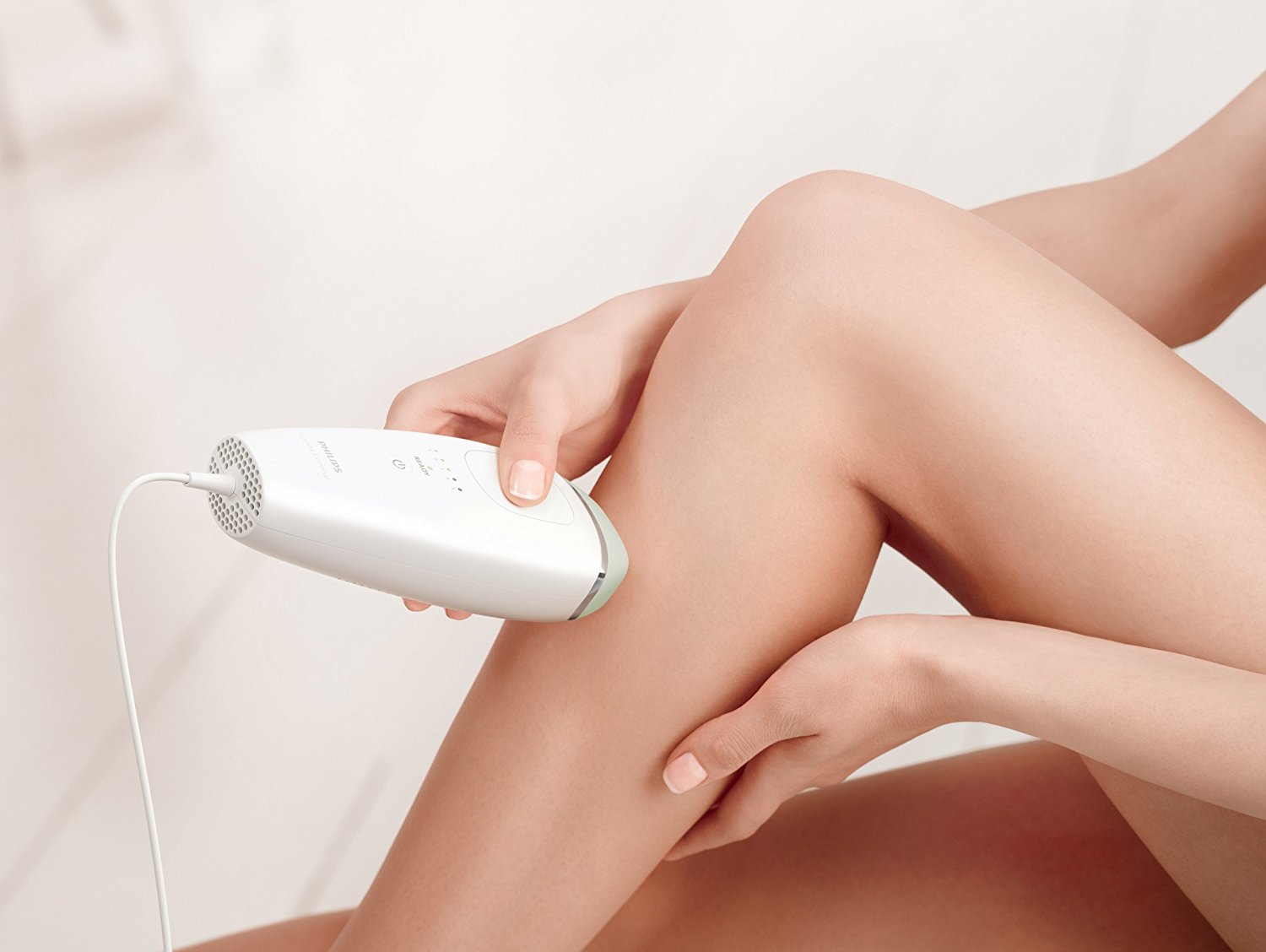

Wax rash is the redness and irritation that occurs on the skin after waxing. Waxing removes the hair on the upper layer of the skin by pulling it from the root. During this process, the sensitive structure of the skin is affected and redness may occur. Wax rash is usually temporary and disappears on its own within a few hours to a few days. However, in some cases, the rash lasts longer and there may even be a risk of infection.
Common causes of wax rash
Common causes of wax rash include:
Sensitive structure of the skin: Everyone's skin is different and some people's skin is more sensitive. For this reason, post-waxing redness may be more noticeable in some people.
Excessively hot wax: If waxing is done hot, it can further irritate the skin and cause redness. Therefore, it is important to control the temperature while waxing.
Lack of care after waxing: It is important to moisturize and soothe the skin after waxing. Skipping these steps may increase the risk of skin redness and irritation.
Home remedies for wax rash
Here are some methods you can use at home to relieve post-waxing redness:
Cold compress: You can reduce redness by gently pressing your skin with a cold compress after waxing. A cold compress calms the skin and reduces swelling.
Aloe vera gel: Aloe vera gel soothes the skin and reduces irritation. You can get relief by applying aloe vera gel to the areas with redness after waxing.
Natural oils: Natural oils such as lavender oil, tea tree oil or olive oil nourish and soothe the skin. You can get relief by applying a few drops of these oils to areas with redness after waxing.
Over-the-counter treatments for wax rash
Some over-the-counter treatments for post-waxing rash include:
Hydrocortisone cream: Hydrocortisone cream reduces skin redness and soothes irritation. However, long-term use may cause side effects, so it is important to consult your doctor.
Antihistamine creams: Antihistamine creams calm your skin and reduce itching. You can use antihistamine creams for redness and itching after waxing.
Moisturizing creams: You can use moisturizing creams to prevent redness and reduce irritation after waxing. Moisturizing creams moisturize and soothe the skin.
Professional treatments for wax rash
There are some options for professionally treating post-waxing rash:
Skin-soothing masks: Skin-soothing masks can be applied in spas or beauty centers. These masks calm the skin and reduce redness.
Laser treatment: If post-waxing redness is long-lasting and severe, laser treatment may be considered. Laser treatment reduces redness and improves skin.
Medical creams: Some medical creams can be used to treat post-waxing redness. You can use these creams by consulting your dermatologist.
Preventing wax rash
You can follow these tips to prevent post-waxing redness:
Preparing the skin: It is important to prepare the skin before waxing. You can reduce the risk of post-waxing redness by nourishing the skin with a moisturizing cream and removing dead skin cells.
Correct waxing technique: It is important to use the correct technique when waxing. Pulling the wax parallel to your skin and avoiding sudden movements can reduce redness.
Using cold wax: Using cold wax instead of hot wax will irritate your skin less and reduce the risk of rash.
Tips for managing wax rash
You can try these tips to manage post-waxing redness:
Keep your skin cool: Keeping reddened areas cool after waxing can reduce redness. Resting in a cool room or applying a cold compress may be helpful.
Avoid scratching: Avoid scratching areas that have redness after waxing. Scratching can increase irritation and increase the risk of infection.
Use moisturizer: You can soothe the skin by applying moisturizing creams to the areas with redness after waxing. Moisturizer hydrates the skin and reduces irritation.
When to seek medical help for wax rash?
Redness after waxing is usually temporary and can be alleviated with home remedies. However, it is important to seek medical help if:
If the redness is severe and long lasting
If redness after waxing occurs with signs of infection
If accompanied by rash, severe itching or burning sensation
 Call
Call
 Whatsapp