


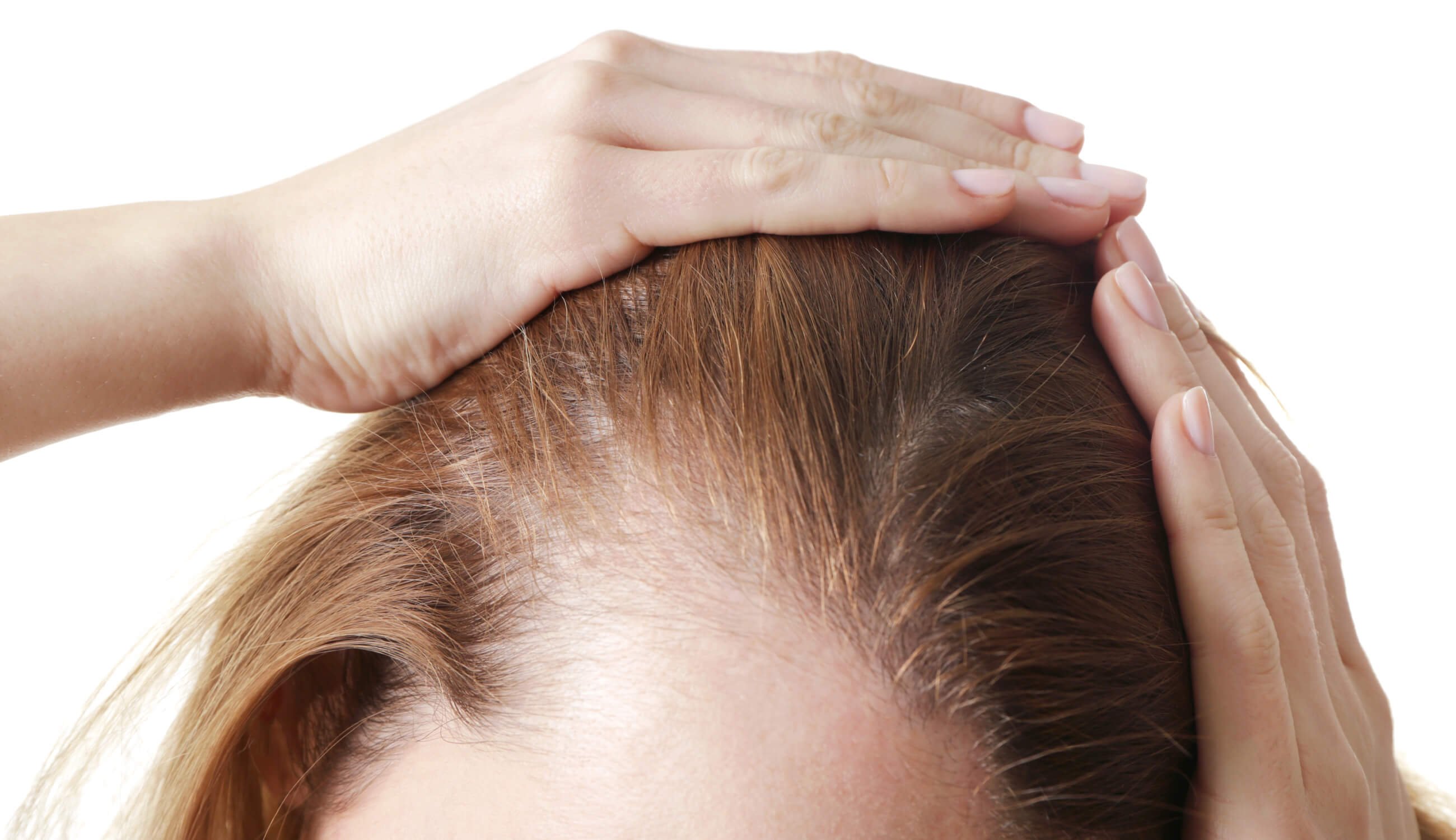

Hairs grow from hair follicles located under the epidermis, the outermost layer of the skin. Each hair follicle consists of a hair root, a hair stalk, and a hair bulb. Hair roots are located at the bottom of the hair follicle and are responsible for hair growth. The hair stalk is the part that extends outward from the hair root. The hair bulb is the lowest part of the hair root and contains the cells that provide hair growth.
The basic functions of hairs include:
• Protecting the body against external factors
• Regulating body temperature
• Assisting the sense of touch
• Visually completing body aesthetics
Thanks to these functions, hairs are very important for human health and quality of life.
Hair Growth Process
Hairs are in a continuous growth and renewal process. This process begins with the division of stem cells in the hair follicle and the formation of hair. Hair growth occurs in three stages: active growth phase (anagen), regression phase (catagen), and resting phase (telogen).
In the active growth phase, the stem cells in the hair follicle divide rapidly to form hair. During this phase, hairs grow the fastest and become the longest. During the regression phase, hair growth slows down and the hair follicle shrinks. Finally, during the resting phase, the hair follicle completely rests and new hair begins to form.
These three stages occur at different times for each hair. Therefore, our bodies contain hairs in different growth stages at the same time. Factors that affect hair growth include age, gender, hormones, nutrition, stress and diseases.
Types of Hair
There are various types of hair on the human body. These are:
1. Vellus Hair: These hairs, which are thin, soft and light-colored, are usually found on the face, trunk and extremities. Vellus hairs are more prominent during childhood and are replaced by terminal hairs with puberty.
2. Terminal Hair: Terminal hairs, which are thick, hard and dark-colored, are found densely on the hair, eyebrows, eyelashes, armpits and genital area. These hairs begin to develop with puberty.
3. Lanugo Hair: These hairs, which are seen in newborn babies and are thin and soft, usually fall out in the first few months after birth.
4. Medulla Hair: These hairs, which have an empty canal inside and are very thick and hard, are usually found in men's beards and armpits.
Each type of hair has its own functions and care requirements. It is important to take these differences into account for hair health and care.
Hair Health and Care
Hair health and care are very important in terms of both appearance and functionality. Healthy hair should be strong, shiny and soft. We should consider the following recommendations to protect hair health:
• A balanced and protein-rich diet
• Regular exercise
• Stress management
• Paying attention to sleep patterns
• Cleaning and caring for hair and body hair with appropriate products
• Avoiding excessive exposure to sunlight and chemical products
Hair care varies depending on hair type and body area. For example, while using shampoo, conditioner and hair care products for hair care, depilatory creams, razors or epilation methods can be preferred for body hair care.
 Call
Call
 Whatsapp