


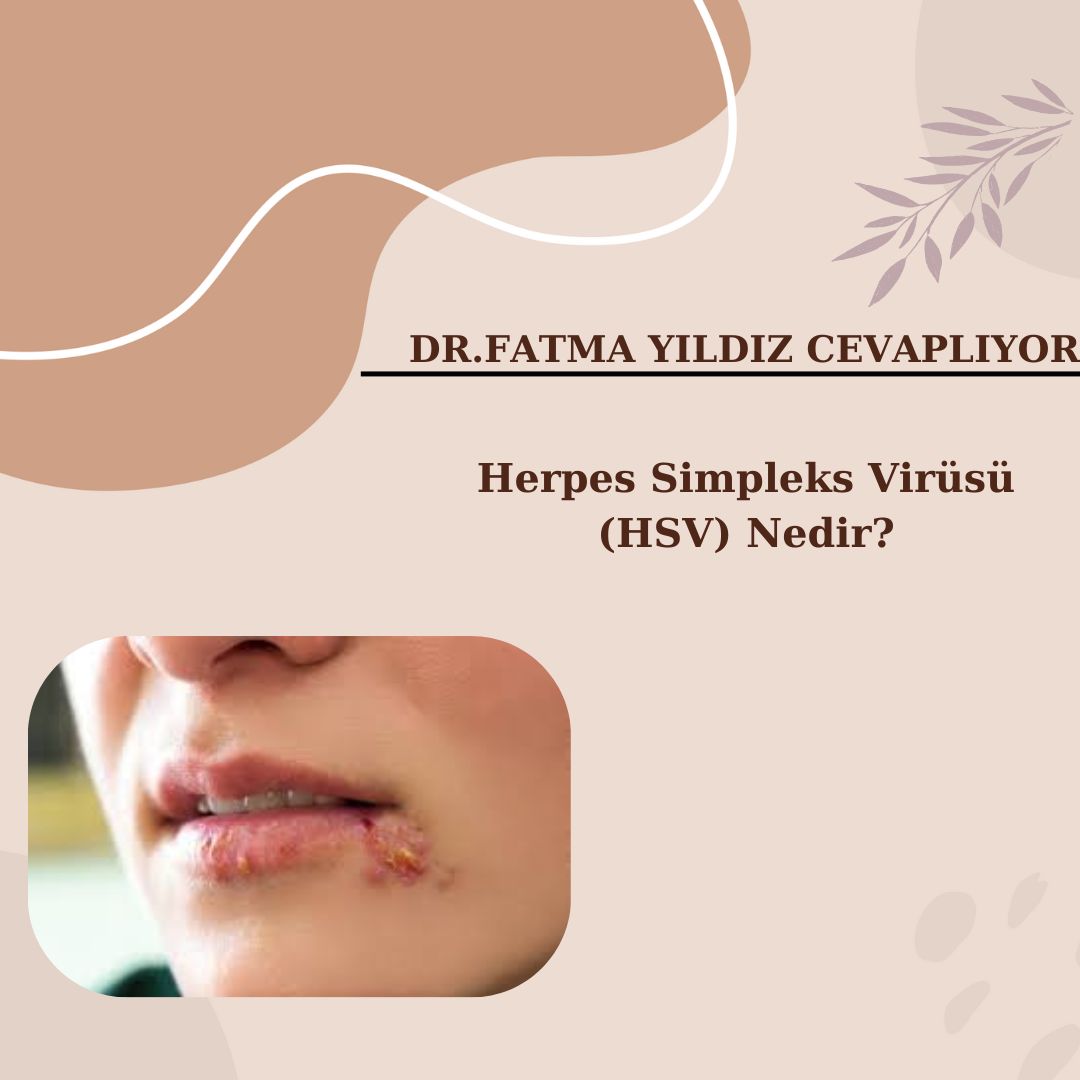

What is Herpes Simplex Virus (HSV)?
Herpes Simplex Virus (HSV) is a common virus that causes infections in the skin and mucous membranes (mouth, lips, genital area, etc.). There are two types of HSV:
HSV-1 usually causes cold sores around the mouth and lips.
HSV-2, on the other hand, mostly infects the genital area.
However, both types can affect both the mouth and genital area.
How is it transmitted?
HSV is transmitted through direct contact. In particular:
Kissing an infected person,
Using a shared towel, lipstick or toothbrush,
The virus can be transmitted through sexual contact.
After the virus enters the body, it settles in the nerve cells and lies dormant there. It becomes active again when the immune system weakens or when triggers such as stress come into play.
What are the symptoms?
The most obvious symptoms of HSV infection are:
Skin redness, itching and blisters filled with water,
Painful sores around the mouth or genital area,
Fever, weakness and muscle pain,
In some people, it can be carried silently without any symptoms.
Is There a Treatment?
HSV infection cannot be completely eliminated because the virus settles in nerve cells. However, antiviral drugs can be used to relieve the symptoms. In particular:
Creams that heal cold sores quickly,
Antiviral pills (with a doctor's recommendation),
A healthy diet and avoiding stress are important to strengthen the immune system.
Ways of Protection
To protect yourself from herpes infection:
Avoiding close contact with infected people,
Not sharing personal items,
Using protection methods during sexual contact (such as condoms),
Keeping the immune system strong (balanced diet, adequate sleep, staying away from stress) is important.
Conclusion
Herpes Simplex Virus is a common infection but can be kept under control if care is taken. If you have recurring cold sores or uncomfortable lesions in the genital area, it is best to consult a doctor.
 Call
Call
 Whatsapp