


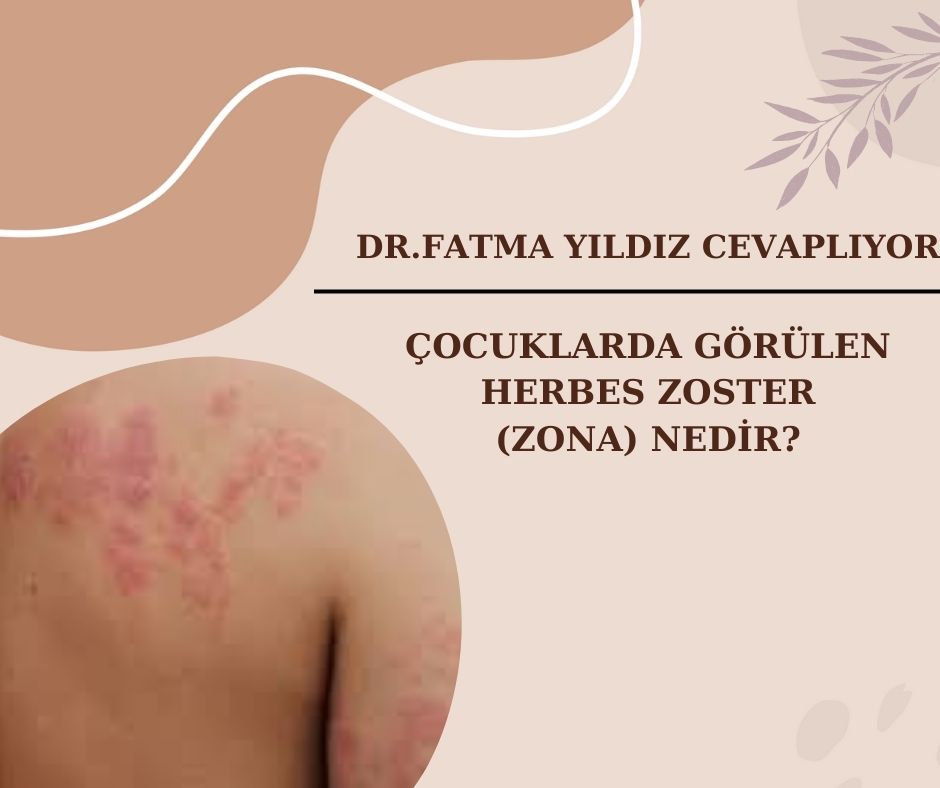

What is Herpes Zoster (Shingles) in Children?
Herpes zoster (HZ) is a viral disease that occurs when the varicella zoster virus (VZV) is reactivated in individuals who have had chickenpox. This disease, which is usually common in adults, can also be seen in children, although it is rare. In this article, I present the findings of a study on the incidence, risk factors and clinical features of HZ in the pediatric age group.
What is Herpes Zoster?
HZ is an infection that affects the nerve roots and progresses with painful and blistering rashes. The varicella virus remains latent in the nerve roots after infection and can be reactivated with the weakening of the immune system. Although it is less likely to be seen in children, stress, infection or immunosuppressive conditions can trigger the disease.
Aim and Method of the Study
A retrospective study was conducted on children diagnosed with HZ between the ages of 0-16 who applied to the dermatology clinic between 2018-2022. In this study conducted on a total of 56 patients, demographic and clinical information such as age, gender, chickenpox and vaccination history were analyzed.
Findings
46.4% of the patients participating in the study were female and 53.6% were male. The mean age was determined as 11.36 years. A history of chickenpox was detected in 26% of the patients and a history of chickenpox vaccination in 19.6%. The most common triggering factors were psychological stress (19.6%) and infections (16.1%). It was observed that the thoracic region was the most commonly affected region.
Conclusion and Recommendations
Herpes zoster is a disease that can be seen in healthy children and usually progresses without complications. It may not require a detailed examination in children, but more research is needed on how varicella vaccination affects the rate of HZ in the long term.
 Call
Call
 Whatsapp